In 1792, twenty-four stockbrokers and merchants gathered beneath a buttonwood tree in lower Manhattan to sign an agreement that shaped modern finance, laying the foundation for what we now know as the New York Stock Exchange (NYSE).
More than a century later, during the Second World War, labour shortages opened the doors of the Exchange to women for the first time, as they began working as pages and reporters on the trading floor. What began as a wartime necessity became the first step towards women’s long-term inclusion in Wall Street’s financial ecosystem. In the decades that followed, their presence, once rare, grew steadily and marked a significant cultural shift in global finance.
Women who broke barriers
- Muriel “Mackie” Siebert, the first woman to purchase a seat on the New York Stock Exchange. Her firm became the nation’s first discount brokerage and by 1977 she became the first female superintendent of banks for the state of New York.
- Alice Jarcho made history in 1976 by becoming the first full-time female floor broker at the New York Stock Exchange (NYSE).
- Gail Pankey became the first Black woman to become a member of the New York Stock Exchange in 1985.
A few other notable women:
Victoria Woodhull
Victoria Woodhull became the first woman to operate a brokerage firm on Wall Street, establishing Woodhull, Claflin & Co. in 1870 alongside her sister, Tennessee Claflin. In addition to her financial ventures, she co-founded Woodhull & Claflin’s Weekly, a radical publication advocating social reform. In 1872, she made political history as the first woman to stand as a candidate for presidency of the United States, decades before women had the right to vote.
Hetty Green
Often called the “Witch of Wall Street,” built one of the largest personal fortunes of her era through shrewd, conservative investment in railways, real estate, and government bonds. Eschewing speculation, she prioritised long-term value and liquidity, a strategy that saw her estate reach an estimated equivalent of $2–4 billion today. Her disciplined approach made her one of the earliest examples of sustainable wealth-building on Wall Street.
Isabel Benham
In 1934, Isabel Benham became the first woman to work as a railroad analyst on Wall Street. She later became the first female partner at a Wall Street bond house, marking a key advancement for women in investment research.
Mary Roebling
In 1937, Mary Roebling was appointed president of Trenton Trust Company, becoming the first woman to lead a major American commercial bank. She later founded Women’s Bank N.A. in Denver, the first bank in the United States to be chartered by women. Between 1958 and 1962, Roebling also served as the first female governor of the American Stock Exchange, further consolidating her role as a pioneer in finance and governance.

Women of Wall Street today
Women are taking on increasingly prominent leadership roles across Wall Street, with 2025 marking a record number of female executives in top positions at major financial institutions. The number of women CEOs in the Fortune 500 has reached an all-time high of 55, representing 11% of all companies, up from 10.4 % in 2024. This steady rise signals a broader shift in senior representation within global finance, as inclusion, transparency, and leadership diversity continue to reshape corporate culture.
By 2030, women are projected to control approximately 38% of total U.S. financial assets, estimated at around $34 trillion. On Wall Street, female leaders now oversee global banks, manage multi-trillion-dollar portfolios, lead high-profile mergers and acquisitions, and shape the strategic direction of capital markets.
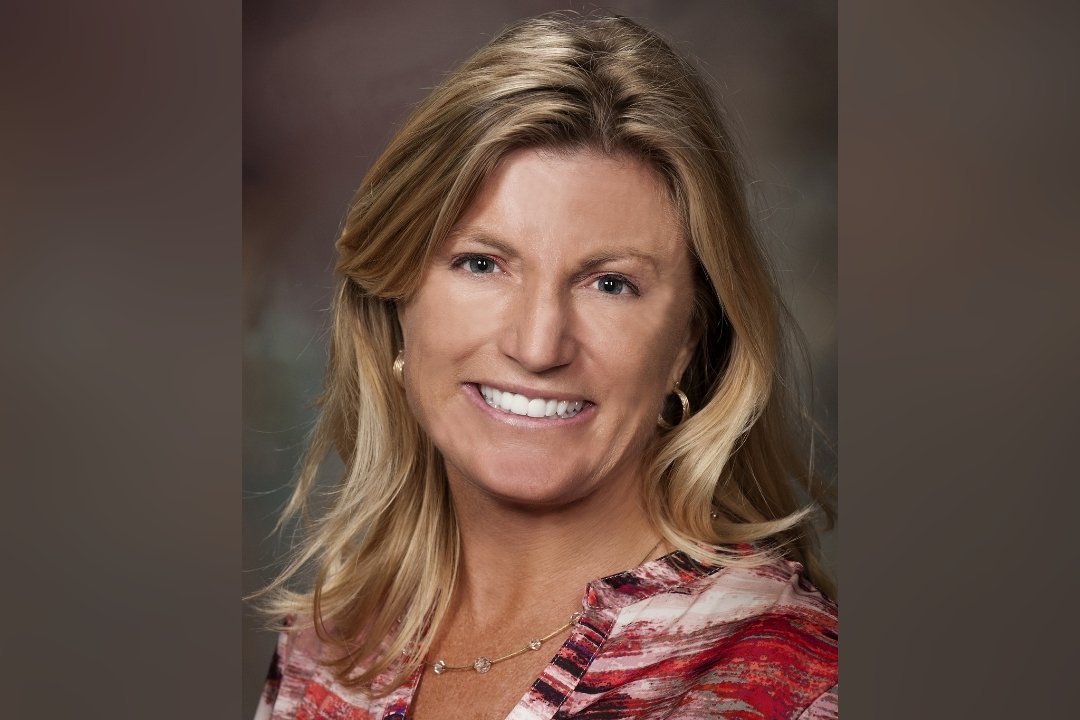
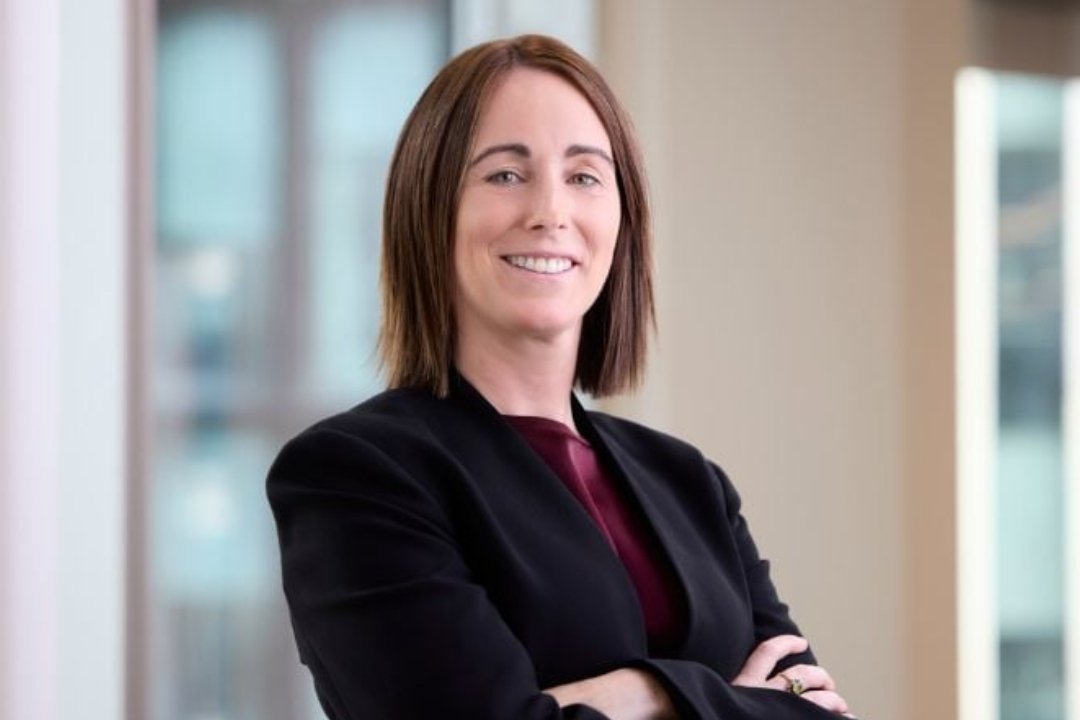
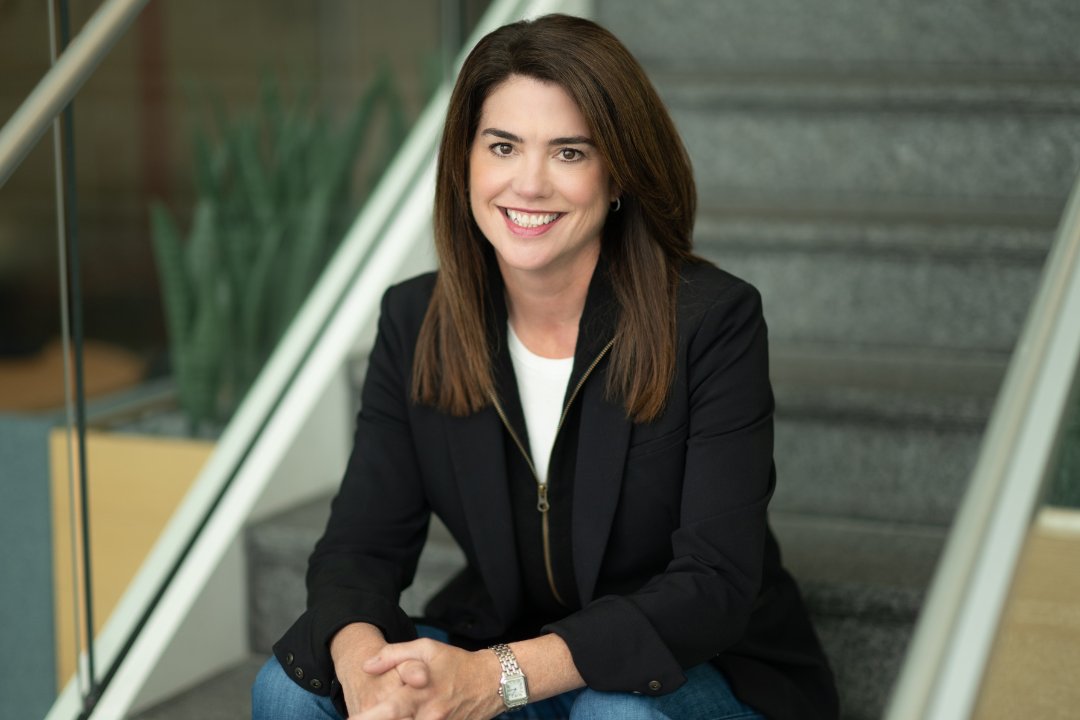
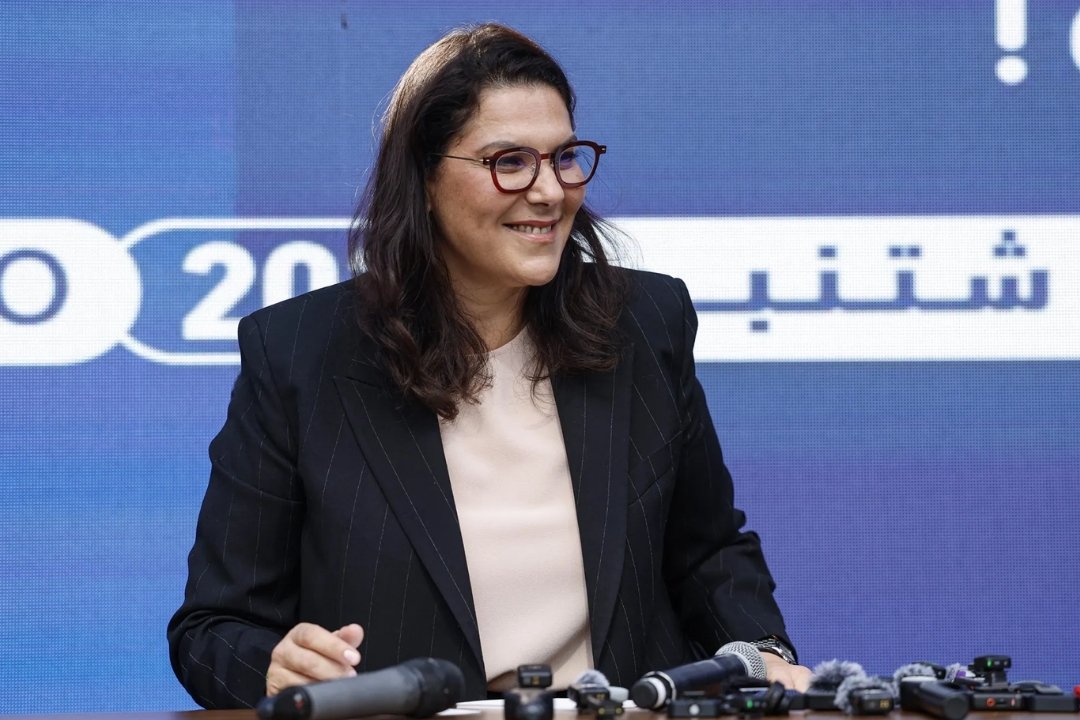
This growing influence signals a long-term transformation in financial leadership, with women playing a central role in the future of Wall Street. Here are seven women who exemplify this shift, each leading major institutions and shaping the future of finance on Wall Street.
- Jane Fraser made history in 2021 when she became the first woman to lead a major U.S. bank, taking over as CEO of Citigroup. Under her leadership, Citi reported revenues of $81.1 billion in 2024, its strongest performance since 2010, and net income of $12.7 billion, a 37% year-on-year increase. Her strategic restructuring, which included streamlining operations and exiting several international consumer markets, has positioned Citi for long-term growth. In recognition of her leadership and performance, Fraser’s total compensation for 2024 rose to $34.5 million.
- Sallie Krawcheck is the co-founder of Ellevest, a digital investment platform founded in 2014 and launched publicly in 2016 to close the gender-investing gap and improve women’s financial inclusion. Under her leadership, Ellevest grew to manage more than $2 billion in assets by early 2024, offering tailored investment and financial-planning services designed around women’s career and income patterns. In December 2024, Krawcheck announced she would step down as CEO, moving to a board role. Although she no longer serves as CEO, she remains one of the most influential voices in women’s financial empowerment and inclusive wealth management.
- Mary Callahan Erdoes, often referred to as Wall Street’s “$1 Trillion Woman,” has served as CEO of JPMorgan Chase’s Asset & Wealth Management division since 2009. During her tenure, client assets under management have expanded from approximately $1.6 trillion to $6.4 trillion. She joined the firm in 1996 and has played a central role in scaling the division into one of the largest and most respected investment and private banking businesses globally.
- Thasunda Brown Duckett is the President and CEO of TIAA as of October 2025. She was the fourth Black woman in history to lead a Fortune 500 company when appointed in 2021. At the time of her appointment, TIAA managed $1.3 trillion in assets, which has since grown to approximately $1.4 trillion as of December 2024. The company employs around 16,500 people. Duckett remains focused on improving retirement outcomes, with particular emphasis on closing the racial and gender wealth gaps.
- Adena Friedman is the President and CEO of Nasdaq, and the first woman ever to lead a major global stock exchange. Appointed CEO in 2017, she has played a central role in transforming Nasdaq from a traditional equities exchange into a technology-driven global financial platform, focusing on data, analytics, and market infrastructure. Under her leadership, Nasdaq has expanded its footprint in digital assets and ESG data services, reinforcing its position as one of the world’s most innovative financial institutions. Friedman is widely recognised for advocating diversity in leadership and for advancing financial technology to make capital markets more transparent and accessible.
- Anu Aiyengar serves as the Global Head of Mergers & Acquisitions at JPMorgan Chase & Co., where she has advised on more than $1 trillion worth of deals across industries including technology, retail, and financial services. Having joined the firm in 1999, she became the first woman to lead JPMorgan’s global M&A division — one of Wall Street’s most competitive and high-stakes environments. Known for her strategic insight and composure in complex negotiations, Aiyengar has helped shape some of the decade’s most significant transactions. Beyond her professional achievements, she is recognised for her advocacy of diversity and mentorship in finance, supporting initiatives to improve women’s representation in senior dealmaking roles.
- Abigail P. Johnson is the Chair and CEO of Fidelity Investments, one of the world’s largest asset management and financial services firms. She assumed the role of CEO in 2014 and became Chair in 2016, marking the third generation of the Johnson family to lead the company. Under her leadership, Fidelity has strengthened its position as a global investment powerhouse, managing more than $4.5 trillion in assets. Johnson has overseen major initiatives in digital innovation, including the firm’s move into blockchain technology and digital asset management. She is recognised for modernising Fidelity’s culture and expanding its reach among a younger, more diverse generation of investors.
Women’s impact on Wall Street today
Women’s participation in financial leadership has evolved dramatically over the past century, reshaping the face of Wall Street and global finance. What began as a slow integration during the mid-20th century has now become a powerful movement toward balanced representation and inclusive decision-making.
Diverse perspectives drive performance: Research consistently shows that companies with gender-diverse leadership teams perform better financially. Recent global studies indicate that organisations in the top quartile for gender balance at the executive level are around 39% more likely to outperform their peers on profitability. The evidence strengthens the case for balanced representation, proving that diversity in leadership is not only fair but commercially beneficial.
Collaborative leadership: Leadership studies increasingly show that women tend to adopt a more collaborative and inclusive management style, encouraging open communication and stronger team cohesion. Recent data indicates that women now hold around 34% of senior management roles globally, up from just 19% two decades ago. In finance and professional services, their presence in top management has nearly doubled over the past ten years. Organisations that promote gender balance in leadership also report higher levels of employee engagement and innovation, as teams led by women are more likely to foster trust, transparency, and shared accountability.
Rising ethical standards: Gender diversity at senior level has been closely linked to stronger governance and ethical oversight. Companies with higher female representation on their boards are around 25% more likely to adopt robust environmental, social and governance (ESG) frameworks. Research published in 2024 also found that organisations with at least 30% of women on their boards are significantly more transparent in their sustainability reporting and risk management practices. Across global stock exchanges, women now hold an average of 28% of board seats, compared with just 12% a decade ago, reflecting a growing recognition that ethical and sustainable growth depends on diverse leadership perspectives.
Improved workplace culture: As more women move into senior roles, the culture within financial institutions and corporations is shifting towards greater empathy, collaboration and balance. Organisations with higher female representation in leadership consistently report stronger employee engagement and higher staff retention. Workplaces led by women also tend to adopt more progressive policies, including flexible working arrangements, enhanced parental leave and structured mentorship programmes. These approaches not only improve employee satisfaction but also strengthen long-term loyalty and performance. Across Wall Street and beyond, this growing emphasis on inclusion and wellbeing is redefining what effective leadership looks like in modern finance.
Building future talent: Mentorship continues to play a defining role in shaping the next generation of women leaders on Wall Street. Surveys show that around 70% of women in finance credit mentoring relationships as vital to their career advancement, helping them navigate complex corporate structures and gain visibility in leadership pipelines. Several initiatives across the financial sector are addressing this need more systematically.

The Financial Women’s Association (FWA) runs structured mentoring cohorts pairing senior finance professionals with young entrants through its Wall Street Exchange Programme. Meanwhile, 100 Women in Finance’s LaunchMe initiative connects early-career professionals and students with seasoned mentors, strengthening cross-border learning and access to leadership networks. The Women in Financial Markets (WIFM) Mentorship Programme also provides targeted guidance for women aspiring to senior roles in investment, trading, and financial management.
Conclusion
Women have made remarkable progress in reshaping Wall Street, transforming an institution once defined by exclusivity into a more inclusive and forward-looking financial landscape. Today, women hold close to half of entry-level positions in finance and roughly 30% of senior leadership roles across major firms. Yet representation continues to taper at the top, with only around 12% of managing directors in private equity and less than 2% of mutual fund assets managed by women.
While these figures reveal that the journey towards parity is still underway, they also highlight steady and measurable progress. Studies consistently show that greater gender balance in leadership is not only a moral imperative but also a commercial advantage, linked to stronger financial performance, greater innovation and higher employee engagement.