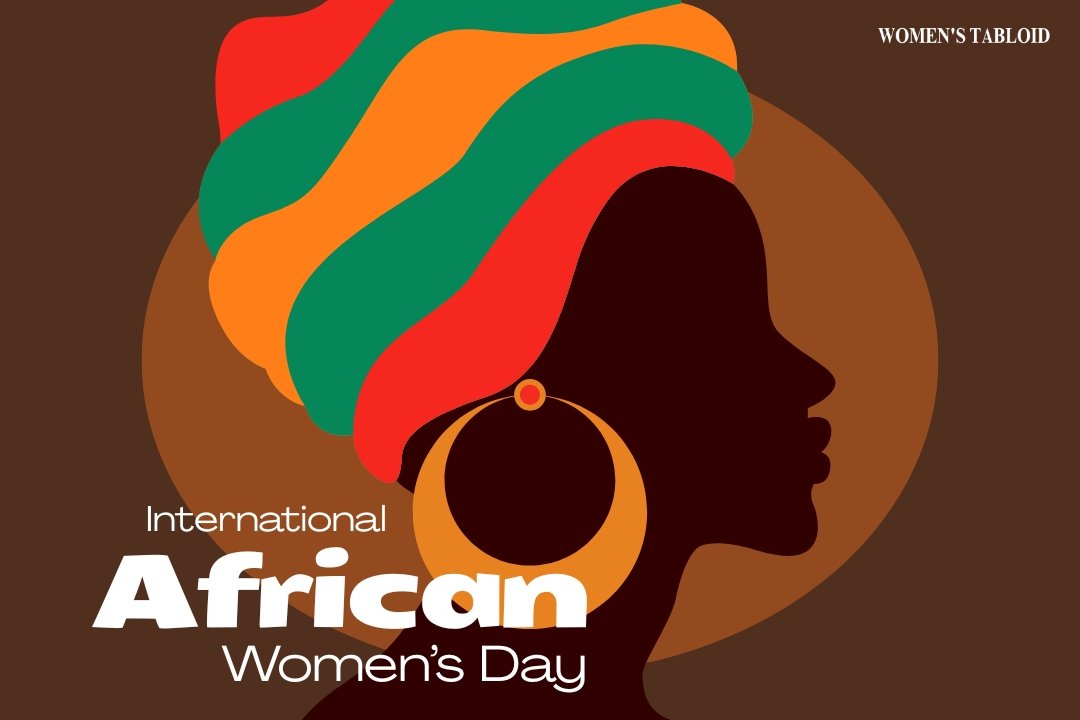

31 July marks Pan-African Women’s Day, a celebration of the extraordinary women driving a 1.4 billion-person market and redefining leadership, innovation and social progress across the continent. Women play a central role in Sub-Saharan Africa’s workforce and are helping to drive some of the world’s fastest-growing economies, transforming local communities whilst steering the continent towards a more inclusive future.
The Pan-African Women’s Organisation (PAWO) was established on 31 July 1962 in Dar es Salaam, marking a significant milestone for women’s representation on the continent. This foundational event serves as an annual reminder of the crucial role African women play, including making up 60-80% of smallholder farmers and reinvesting 90% of their income into their communities.
Today, African women are no longer simply participating in the continent’s development, they are leading it.
Across business, politics, science, healthcare, technology, education and the creative industries, women are building companies, shaping public policy, pioneering research and inspiring a new generation of leaders. Across Sub-Saharan Africa, women are also making remarkable strides in political leadership, with countries such as Rwanda setting a global benchmark through one of the highest levels of female parliamentary representation in the world. From multinational boardrooms to rural enterprises, from innovative fintech start-ups to sustainable agricultural ventures, African women are proving that leadership is defined by vision, resilience and impact rather than circumstance.
Entrepreneurship has become one of the most powerful catalysts for change across the continent. Sub-Saharan Africa leads the world in female entrepreneurship, with approximately 26 per cent of women engaged in entrepreneurial activity, creating employment opportunities, driving local economies and developing solutions tailored to the unique needs of their communities. Many women-led businesses have embraced digital transformation, leveraging e-commerce platforms, mobile technology and digital financial services to reach international markets whilst maintaining strong local roots. Their innovation and resilience continue to fuel economic growth and demonstrate the vital role women play in shaping Africa’s business landscape.
Education has also played a transformative role in advancing opportunities for African women. Increased access to schools, universities and professional development programmes has empowered countless women to pursue careers that were once considered beyond reach, with tertiary enrolment more than doubling across many parts of the continent over the past two decades. Whilst significant progress has been made, disparities remain and Sub-Saharan Africa continues to face one of the world’s widest gender gaps in higher education. Nevertheless, every graduating class, every scholarship awarded and every young girl encouraged to pursue her ambitions represents another step towards a more equitable, inclusive and prosperous future.
Leadership is equally evident in healthcare and social development. Across Africa, women continue to drive progress in maternal health, community wellbeing, environmental conservation and humanitarian initiatives.
Although women account for around 70 per cent of the global health and social care workforce, they remain significantly under-represented in senior leadership, occupying only around one-quarter of leadership positions. Increasing women’s representation at decision-making levels is widely recognised as strengthening governance, promoting more inclusive policies and improving the delivery of essential health and social services. Their influence extends far beyond organisational titles; it is reflected in the lives they improve, the communities they strengthen and the healthier, more resilient societies they help build.
International African Women’s Day is not solely about recognising achievements. It is also an opportunity to reflect on the challenges that persist. Gender inequality, limited access to finance, limited representation in senior leadership positions and barriers to education continue to affect millions of women across the continent. Addressing these issues requires meaningful collaboration between governments, businesses, educational institutions and society as a whole.
The future of Africa is inseparable from the future of its women. As investment in female leadership, entrepreneurship and education continues to grow, so too does the continent’s potential. Organisations are increasingly recognising that diverse leadership teams deliver stronger innovation, better governance and more sustainable economic growth. Supporting women is no longer simply a social responsibility, because it is a strategic imperative for sustainable economic growth.
This International African Women’s Day, we celebrate not only the remarkable achievements of African women but also their unwavering determination to create lasting change. Their stories are ones of courage, ambition and resilience. They remind us that progress is built by those willing to challenge convention, embrace opportunity and inspire others to do the same.
As Africa continues its remarkable journey of transformation, its women will remain at the forefront. They will continue leading industries, empowering communities and shaping a future defined by innovation, inclusion and shared prosperity.