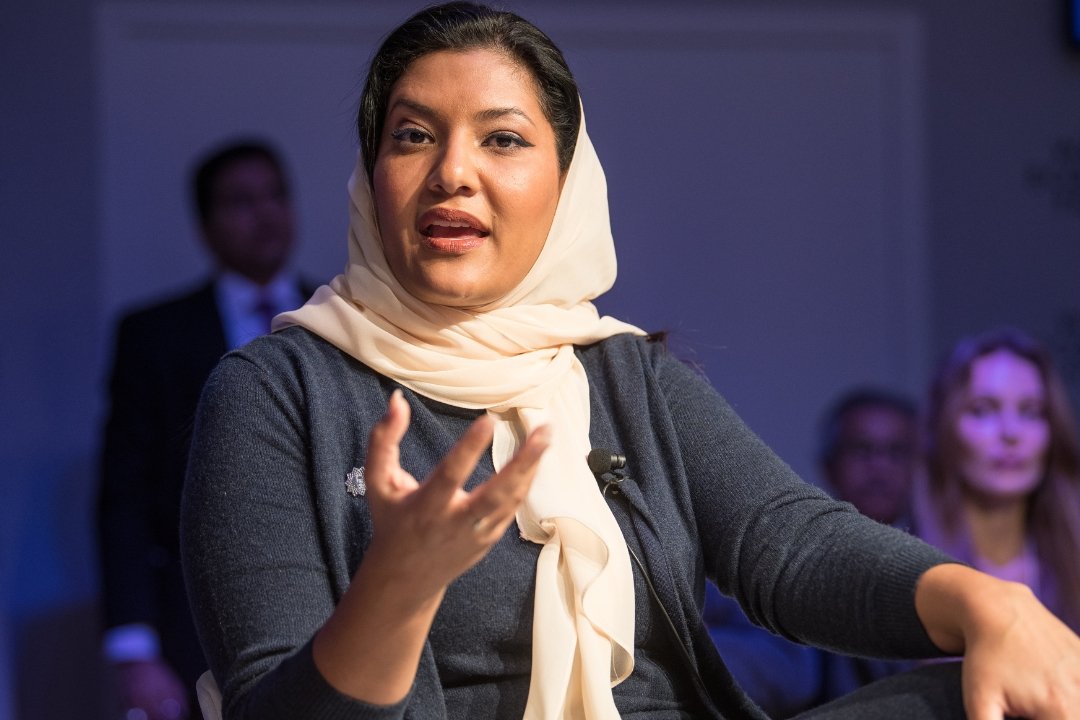

Lindsay Davis is the Founder and CEO of One Bee Consulting and the driving force behind FemTech Association Asia, a leading industry network for women’s health technology across the region. When she relocated to Singapore, she brought with her fifteen years of experience leading international market expansion for prominent lifestyle brands across twenty-five countries.
Her entry into femtech was sparked by reading research on gender health gaps, which exposed how significantly underserved women’s healthcare needs remain around the world. Drawing on her background in management consulting and customer experience, she recognised a growing connection between workplace talent retention of women and unaddressed wellness and healthcare challenges.
To help bridge this gap, Davis founded FemTech Association Asia in 2021. The network has rapidly evolved into a major cross-border ecosystem, currently supporting more than eighty femtech companies across ten countries in Asia. By connecting early-stage innovators with other femtech founders, corporate partners, investors, medical professionals, researchers, government agencies, media contacts among others, Davis is helping shift the regional conversation around women’s health from a traditionally niche topic into a significant economic priority.
In her conversation with Women’s Tabloid, Davis discusses how she is building a flourishing ecosystem across Asia’s emerging femtech landscape.
Investors are increasingly recognising women’s health as a scalable growth market, rather than a niche category.
Women’s Tabloid: Your career path is fascinating, moving from global luxury brand strategy to founding One Bee Consulting, and now leading regional health innovation. How has your background in premium consumer markets shaped your approach to building the community at FemTech Association Asia?
Lindsay Davis: With over 15 years of executive experience in scaling customer-centric businesses internationally, I have always been passionate about identifying untapped market opportunities and creating solutions that drive meaningful change. After reading the book Invisible Women, the influential book on gender data bias by Caroline Criado–Perez, I was compelled to learn more about the women’s health industry across Asia. Finding limited online resources, I reached out to femtech founders, investors, government agencies and advocates to speak with them about their experience and perspectives – with every person responding to my outreach positively.
With such an enthusiastic response, it was clear that the femtech ecosystem was underserved and seeking an opportunity to not just grow this nascent industry together, but redefine how women’s health is understood, prioritised, innovated and integrated across the region. Therefore, I launched FemTech Association Asia in 2021 as a specialist advisory and femtech industry network.
FemTech Association Asia’s mission is to drive collaboration and accelerate the creation of more healthcare solutions for women in Asia. We connect founders, investors, corporate partners and ecosystem-builders, with a shared vision of available, accessible and affordable healthcare for all women in Asia. Currently, we represent over 80 femtech companies across 10 countries in the region.
WT: Your startup ecosystem has scaled rapidly, now representing over 80 companies across 10 countries. How do you navigate the vastly different regulatory and cultural landscapes across Asia and what surprised you most about your recent expansion into Bhutan?
LD: Across many markets, stigma surrounding women’s health remains deeply embedded, while startup funding access, healthcare policy and health literacy continue to lag behind consumer demand.
FemTech Association Asia’s 2024 regional research conducted in partnership with Milieu Insight found that 58% of women across Southeast Asia are already using femtech products or services, while more than half of current non-users are considering adoption in the near future. At the same time, 52% of women surveyed believe discussing women’s health publicly is culturally unacceptable particularly due to fear of judgement or shame.. This creates both a challenge and a major opportunity for the sector.
Ongoing research is critical to advance women’s health. The FemTech Association Asia & Milieu Insight 2026 Consumer Survey has successfully collected insights from 6,000 women in Southeast Asia this year! Topics included consumer awareness, femtech usage and spending, attitudes towards healthcare, societal influence and more from 1,000 consumers in each of these markets: Indonesia, Malaysia, Philippines, Singapore, Thailand and Vietnam. Results also indicate an updated market value for femtech in SEA. This report scheduled for release in the Summer 2026.
Closing the gap with support from key institutions such as non-profits, insurers, regulators and public health systems is essential for femtech to move from a nascent industry to mainstream. As our next key focus, FemTech Association Asia is expanding our strategic partnerships to create a more enabling environment for femtech innovation across the region.
Other regional countries are just starting to build their femtech ecosystems. For instance, having worked with the Kingdom of Bhutan’s the Tourism Council of Bhutan (TCB) – thanks to the invite to partner with MMBP & Associations – I have been fortunate to get to know this amazing country quite well. During my first trip to Bhutan, I connected with the former Director-General of TCB, Dorji Dhradhul, who is passionate about gender health equity. Introducing FemTech Association Asia together into the market with a Bhutan Chapter was a natural next step with such community-driven local ecosystem.
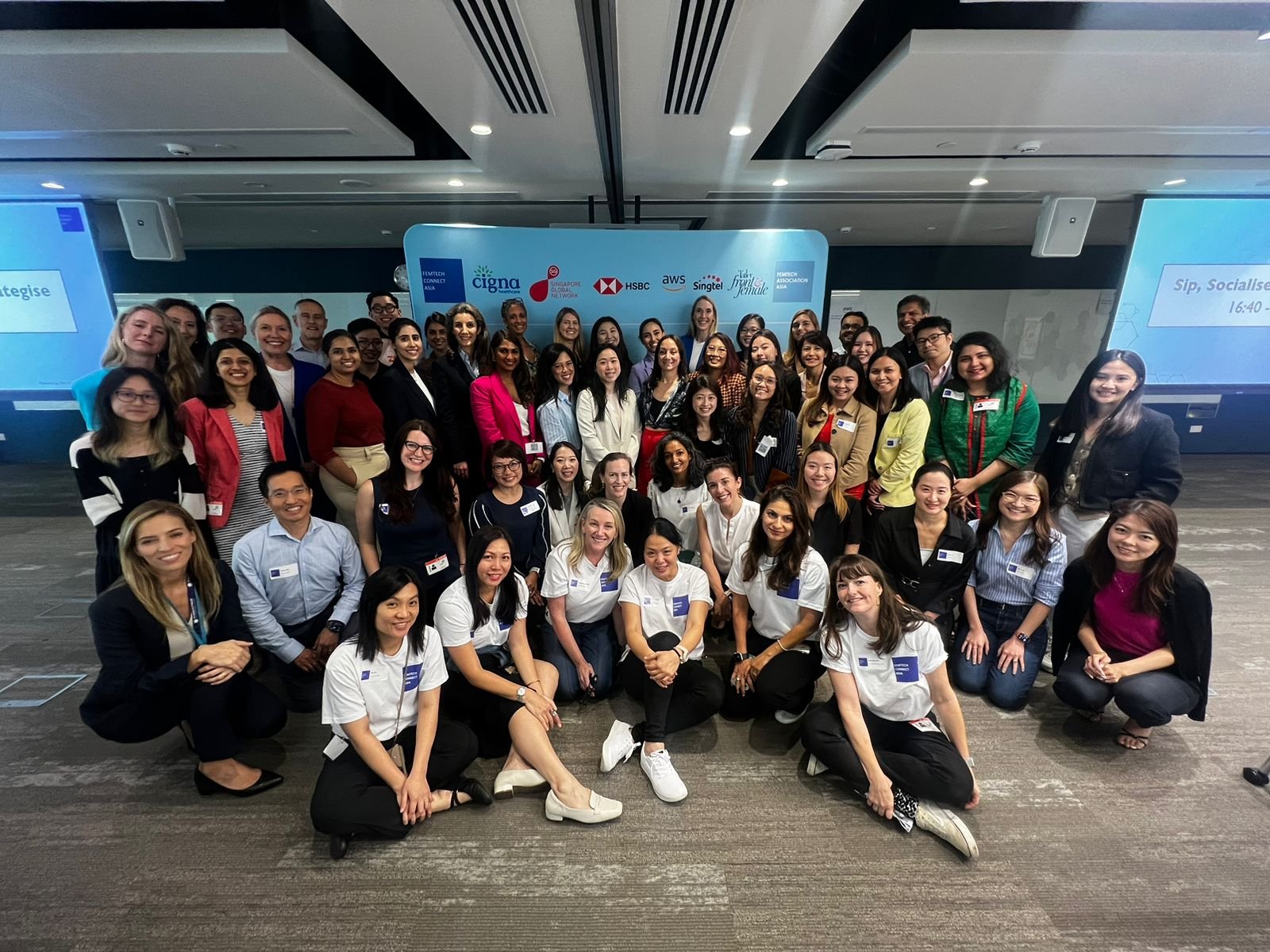
WT: Your collaborative research with Milieu Insight continuously highlights consumer knowledge gaps in Southeast Asia. As you roll out your new regional insights, how do you advise digital health startups to bridge the gap between what women want and what medical physicians actually trust?
LD: Across SEA, femtech founders are moving from creating standalone products to building holistic health solutions that are clinically-proven, digital-first, community-powered and inclusive across life stages. With this shift in care, startups are increasingly attracting regional capital, signalling strong investor confidence in the scalability of femtech solutions across diverse markets. Landmark funding rounds, such as Kindred Health in the Philippines, Zora in Singapore and Motherhood Care+ in Malaysia, highlight a growing demand for women’s health services and the region’s readiness to support innovation in this space.
My advice to founders is to build broadly across the ecosystem, and across other industries – not just femtech & women’s health, from day one. That means engaging not only with consumers, but also physicians, insurers, employers, regulators, investors and public health stakeholders.
WT: Historically, women’s health has been treated as a niche consumer vertical. How is FemTech Association Asia encouraging major corporations, pharmaceutical giants, and traditional healthcare providers to see women’s digital health not as a sideline issue, but as a massive corporate and economic growth driver?
LD: One of the priorities of FemTech Association Asia is helping institutional stakeholders understand that investing in women’s health delivers measurable returns across workforce participation, productivity, preventative care and long-term healthcare outcomes.
We are working to build stronger partnerships with corporates, insurers, healthcare providers, nonprofits and public institutions across Asia to help accelerate adoption and integration of women-focused healthcare solutions. Increasingly, conversations are moving beyond awareness toward implementation, including workplace benefits, preventative health programmes, fertility support, menopause policies and digital health access.
WT: We know that mainstream digital algorithms often restrict or shadow-ban women’s health content. How is FemTech Association Asia working with tech platforms or media partners to improve online visibility for female health solutions?
LD: Public advocacy and media visibility, especially accompanied by government leadership, is changing the conversation around women’s health in Asia. Advocacy translates into policy, with public demand making it difficult for decision-makers to ignore structural gaps. And media engagement destigmatises topics (for example, pelvic health or menopause), helps attract capital, and puts pressure on workplaces and institutions to integrate women’s health into their strategies.
WT: We are seeing a massive shift where women’s health is entering the corporate office. How is FemTech Association Asia helping startups pitch their solutions directly to employers looking to retain female talent through specialised wellness benefits?
LD: Workplace women’s health is one of the most commercially significant and underdeveloped opportunities in the femtech landscape. We encourage startups to translate clinical outcomes into business outcomes through language that resonates in the boardroom. For example, reduced absenteeism, improved retention, higher productivity, employee engagement and lower insurance claims are measurable, CFO-relevant metrics. Related to corporate policies, we have seen a positive change among our corporate partners with an increase in workplace policies that invest in employee training and community outreach to reduce stigma and increase women’s health awareness.
WT: As a member of the UNFPA Equity 2030 Alliance and having recently headlined the “Women’s Health Beyond 2026” initiative at the Tokyo Innovation Base, what concrete shifts are you seeing in governments becoming more open to digital health adoption?
LD: Governments across Asia are becoming more engaged in areas such as digital health regulation, clinical validation standards, data governance, preventative healthcare and gender health equity and, of course, the impact of AI. There is also growing recognition that women’s health outcomes have direct implications for workforce participation, economic resilience and broader public health systems.
WT: Looking at how rapidly the regional ecosystem is maturing, what does ultimate success look like for FemTech Association Asia over the next three years?
LD: By 2030, FemTech Association Asia aims to be the definitive regional platform driving measurable impact in women’s health innovation through research, advisory, public relations and partnerships. We want to build a better ecosystem, where we see measurable progress towards our vision of available, accessible and affordable healthcare for all women in Asia.