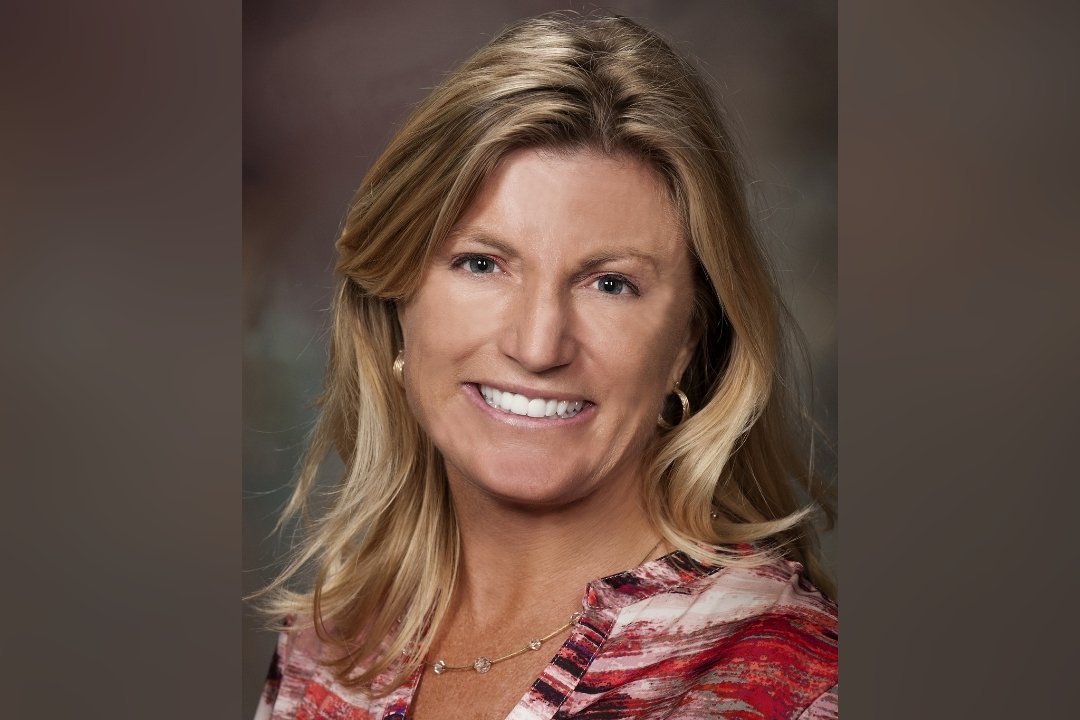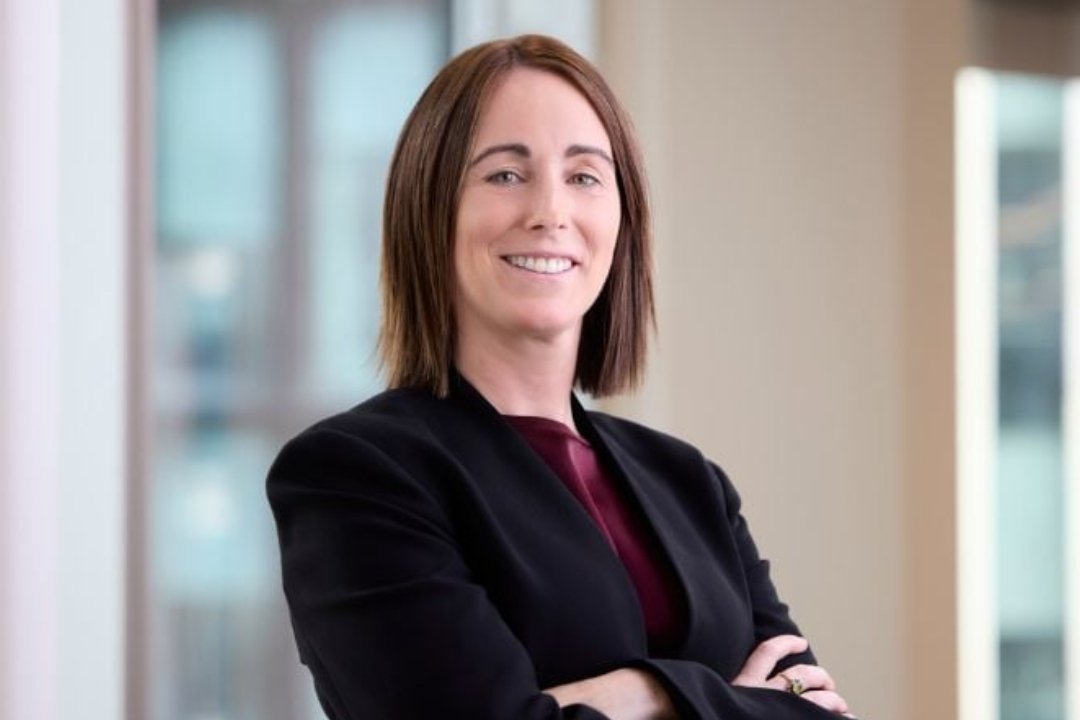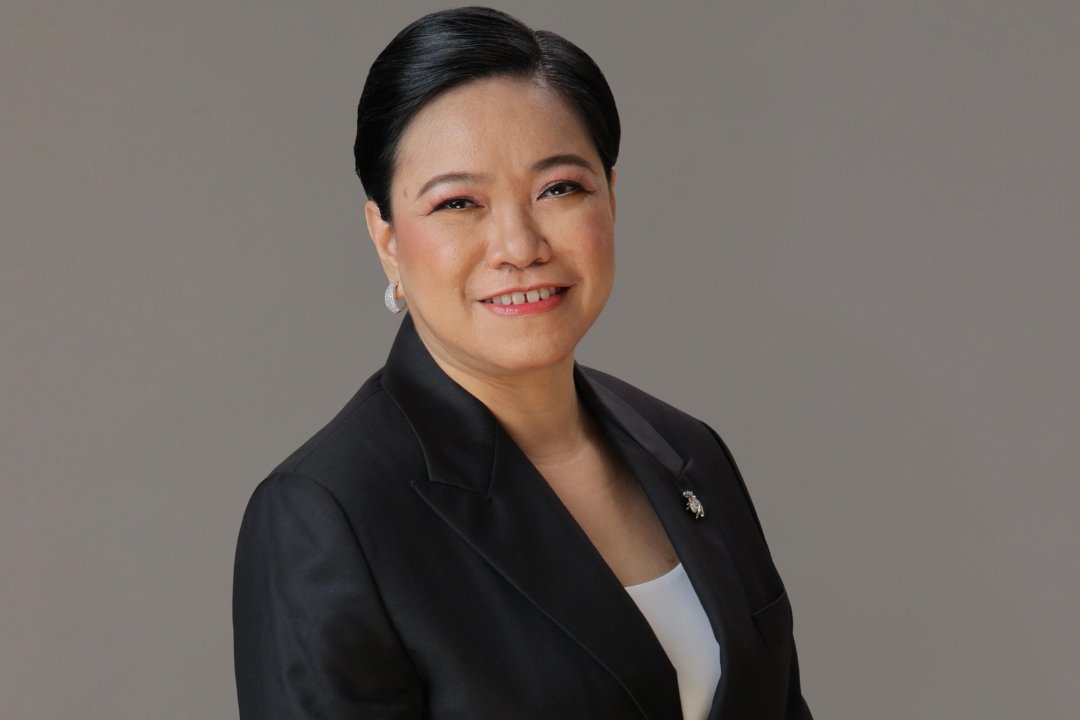

Ms. Mharicar Castillo-Reyes is a Filipina business leader, currently serving as the President and CEO of Asticom. Asticom is a digital-first shared services and outsourcing company positioned as a key competitor in the Philippines market. Ms. Mharicar has priorly held senior roles including her tenure as Director of HR Shared Services at Globe. She strongly believes in a “people-first” leadership philosophy, which is also reflected in Asticom’s corporate culture. In this interview with Women’s Tabloid, Ms. Mharicar speaks about her professional journey, her advice for young women in the sector, her views on how the technological revolution should impact the human workforce, the future of Asticom as well as the shared services and outsourcing industry at large.
leadership today requires both altitude and proximity—balancing clarity and vision from the “balcony” with empathy or malasakit (genuine care) from the “dance floor.”
Women’s Tabloid: You have been a trailblazer for women in leadership in the tech industry and broken barriers that hinder equality at executive roles. What unique challenges have you navigated as a female leader in the sector, and what advice would you give to women aiming for leadership roles in similar industries?
Ms. Mharicar Castillo-Reyes: My leadership journey began at home as the only daughter among three brothers. I learned early that leadership is about how you inspire, empower, and uplift those around you, a mindset that helped me navigate a career in industries that are still male-dominated. Professionally, my greatest challenge was starting Asticom when my daughter was only two years old. It was a high-intensity period that required my husband to put his own career on hold so we could prioritize our family. This experience taught me that leadership today requires both altitude and proximity—balancing clarity and vision from the “balcony” with empathy or malasakit (genuine care) from the “dance floor.”
I tell young women that no one ever feels 100% ready for leadership; you grow into it by taking that first step. I encourage them to embrace “Soul Leadership,” which balances technical intelligence with emotional resilience, genuine listening, and courage. It is also vital for established leaders to practice “signal-boosting” to ensure women in the workplace feel seen, heard, and supported enough to step into larger roles. The true measure of a leader is not how many systems you automate or how fast you move, but how many people you elevate along the way.
WT: How has your professional journey at Asticom, from General Manager to President and CEO, shaped your leadership philosophy and approach to executive leadership and what are the key moments or decisions early in your career that prepared you for leading a fast-growing shared services firm?
MCR: Since 2015, my philosophy has been shaped by our rapid evolution. By 2019, we successfully shifted the company from purely staffing services to digital solutions and managed services, allowing us to serve a much broader range of industries beyond our original scope.
Two moments defined my preparation. First was the courage to present the compelling business case to Globe’s top leadership in 2015, which launched the company with just five employees. Second was my prior tenure as Director of HR Shared Services at Globe. This role served as the essential technical training ground and provided the blueprint for the shared services business model I lead today.
WT: Asticom emphasises a “people-centric” and “purpose-driven” leadership style. How do you ensure this philosophy is embedded across departments and not just at the leadership level?
MCR: We embed this philosophy by prioritizing intentional listening and making our people feel heard. It is as simple as asking them how they are doing—an intentional act that I consider an indispensable tool for any leader. To ensure this is felt across all departments, we utilize data-driven insights from regular pulse surveys. These allow us to gather real-time feedback to improve our ways of working, support employee mental health, and refine career development, ensuring our people-centric values translate into measurable results.
WT: What are the key strategies implemented at Asticom to maintain an inclusive and diverse workplace?
MCR: Our strategy for inclusivity is built on both representation and strong governance. We have a balanced 44/55 gender ratio, where women hold a significant number of management and leadership positions to break down traditional corporate barriers. Beyond metrics, we reinforce this culture through formal policies that ensure accountability. Our commitment to good corporate governance is anchored in a strict anti-discrimination stance and a Whistleblower Policy, ensuring that every employee feels safe and supported in a diverse environment.
WT: Asticom has garnered awards recognising workplace excellence and innovation. How do these accolades reflect your strategic priorities, and how do you leverage them to attract talent and clients in a competitive market?
MCR: These accolades reflect our strategic priority of putting people first. We are dedicated to continuously finding new ways to grow our talent, because we believe an excellent employee experience ensures our people are motivated and productive. Being recognized as a Great Place to Work, Top Workplace in Asia by ACES Awards, Best Places to Work by BusinessWorld, People Innovation of the Year by Asian Innovation Excellence Awards and one of Statista’s Best Employers serve as a “trust mark” that helps us attract top talent and win new business. Ultimately, this culture of excellence and putting our people first allows us to serve our clients better and remain competitive in the market.
WT: You have often reiterated that technology should support and augment the human workforce, not replace it. With the outsourcing sector increasingly integrating automation and digital solutions, how should organisations prepare their workforce for this shift while still prioritising human experience?
MCR: Organizations must view technology as a tool to empower, not replace. To prepare our workforce for this shift, we focus on large-scale upskilling. We have already provided over 32,000 training hours through AI-powered platforms to help our people build “future-ready” careers. Beyond just training, it is essential to establish ladderized growth paths. This ensures that as employees master new technologies, they have clear internal opportunities to progress into higher roles, such as trainers and project managers, keeping the human experience at the center of digital transformation.
WT: What have been the most significant challenges you have faced in driving technology adoption at Asticom, internally and with clients?
MCR: The most significant challenge is striking the right balance between harnessing the transformative power of AI and recognizing the vital importance of the human touch. While AI allows us to make leaps and bounds in growth by streamlining processes and freeing teams for strategic decision-making, it can never fully replace humans. We must remain mindful of ethical considerations like bias and transparency, ensuring that human judgment always remains the final override. Our challenge is ensuring that technology and human insight coexist harmoniously.
WT: Asticom recently expanded its portfolio across staffing, IT, customer experience, and engineering services. How do you maintain quality and coherence across such a diverse range of solutions?
MCR: This is maintained by anchoring every business unit to our core purpose: helping businesses grow and improving the lives of Filipinos. This mission serves as the “North Star” for all our subsidiaries, ensuring that whether we are deploying fiber lines or managing IT systems, our focus remains on creating meaningful impact. To ensure quality, we adhere to international standards such as ISO certifications across the group. By instilling our “Best of Both” culture in every team, we ensure a consistent experience defined by startup agility, corporate stability, and a deep sense of genuine care.
At present, Asticom has expanded into six lines of business: Talents, HR, IT, CX, Engineering and Finance and Accounting. This enables us to serve more customers across diverse organizations and industries.
WT: What trends do you believe will define the future of the shared services and outsourcing industry in the next five years?
MCR: The future will be defined by the shift from transactional support to the era of the “AI-Augmented Lifecycle.” We are moving toward “Superagency,” where roles are reframed from simple execution to the oversight and management of AI agents. To support this, we launched our AI & Automation Factory to infuse intelligence across all business operations, ensuring our people act as the premium governors of machine output.
Another critical trend is the “Infrastructure of Intelligence.” High-compute AI workloads require a physical retrofit, shifting the focus toward Next-Generation Digital Infrastructure and “Geopatriation”—the move to sovereign, local environments to reduce risk. By merging physical engineering with digital logic, such as using wireless laser links to bypass connectivity bottlenecks, we are turning utilities like energy and connectivity into critical, optimized data streams that fuel global business growth.