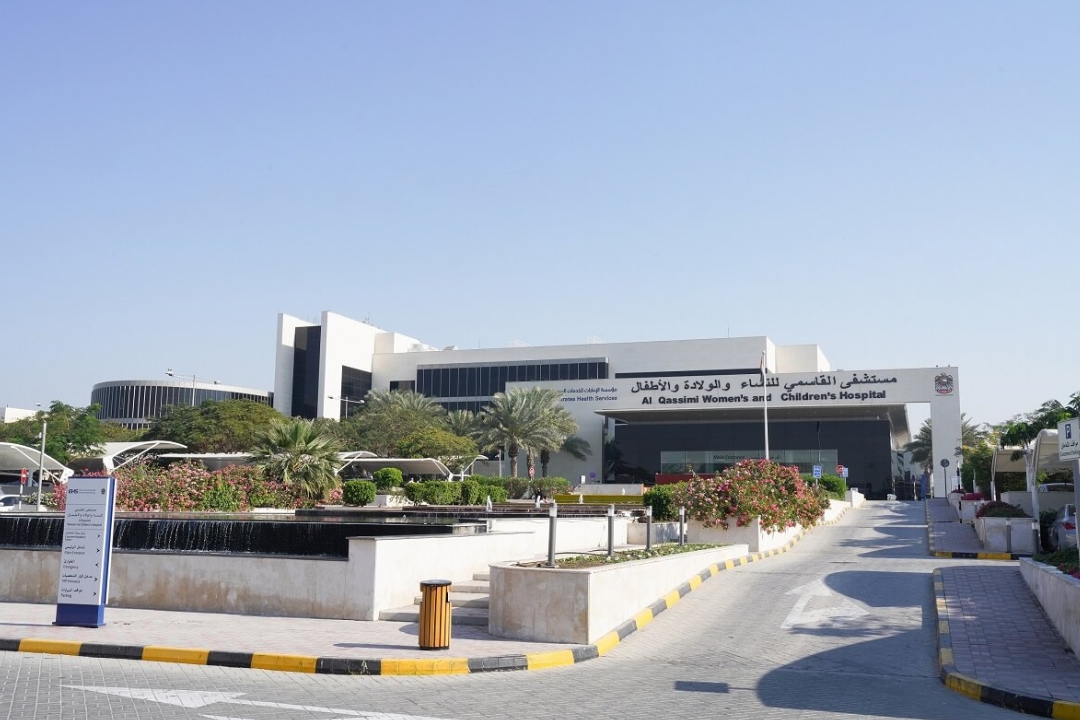

The Al Qassimi Women’s and Children’s Hospital in Sharjah, a part of Emirates Health Services (EHS), has achieved a significant milestone in the United Arab Emirates by pioneering a non-surgical treatment for uterine fibroids. Recently, the hospital announced the successful treatment of eight patients suffering from fibroid-related health issues such as bleeding and pain. This innovative technique eliminates the necessity for surgery, marking a groundbreaking advancement in healthcare for women in the region.
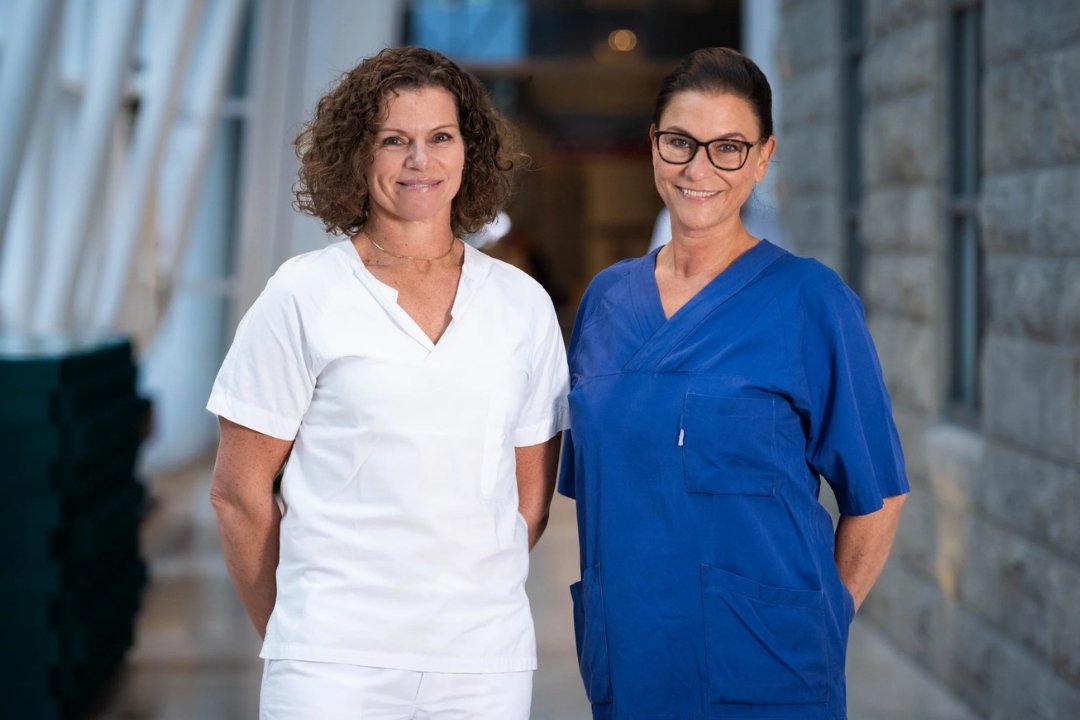
Dr. Muna Khalfan Sabt, Head of the Obstetrics and Gynecology Department at the hospital, has confirmed that they have introduced a new technique for treating uterine fibroids. This method, recently approved by the US Food and Drug Administration for soft tissue tumors, is called radiofrequency ablation. It has demonstrated high effectiveness and safety in managing uterine fibroids without the need for surgical intervention. Radiofrequency ablation represents a state-of-the-art approach in treating soft tissue tumors like fibroids, with recent research indicating its successful application in various organs such as the liver, kidneys, adrenal gland, thyroid gland, breasts, bones, and uterus.
Dr. Muna Khalfan Sabt clarified that the use of radio frequency for removing uterine fibroids is a type of thermal ablation. This approach gradually reduces the size of fibroids without requiring surgery or exposing patients to significant side effects. She highlighted the procedure’s effectiveness, safety, and capacity to treat fibroids while maintaining the health and structure of the uterus. Patients undergoing this treatment can typically leave the hospital on the same day and resume their regular activities within approximately five days.
Dr. Mona Kashwani, a Specialist in Gynecological Diseases and Robotic Surgery, highlighted that uterine fibroids are common benign tumors affecting around 30% of women, causing symptoms like bleeding, pain, and fertility issues. She emphasized their potential to impact organs such as the urinary system and kidneys, stressing the importance of early diagnosis and treatment to avoid complications during pregnancy.
The hospital’s use of modern radiofrequency ablation technology highlights its dedication to top-notch patient care. This advanced technique is unique as it doesn’t need surgery. It’s now part of the hospital’s treatments for uterine fibroids, alongside open surgery, robot-assisted removal, and uterine artery embolization. This success comes from the teamwork of the hospital’s diverse experts and the strong backing from EHS, which has supplied the latest high-quality medical tech.