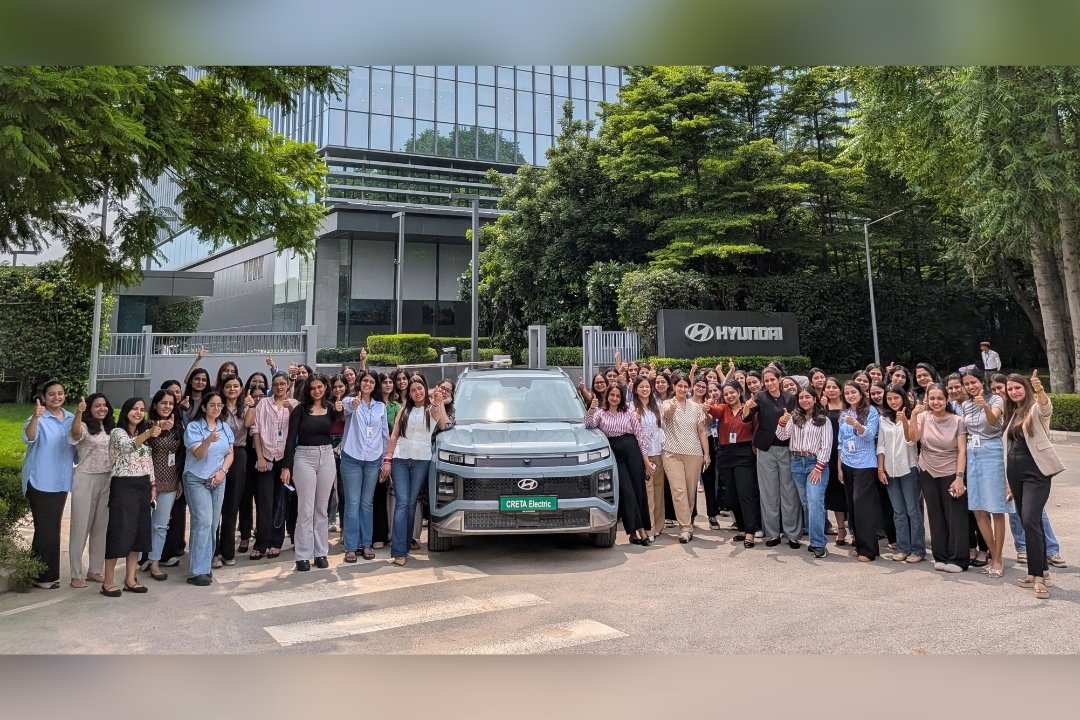

Gurugram | September 07, 2026 – Hyundai Motor India Limited (HMIL) has announced a strategic commitment to elevate female representation across its executive ranks to 20% by 2030, marking a structural milestone in the automaker’s capital and talent management strategy. Currently, women account for over 8% of HMIL’s executive workforce of more than 4,000 professionals. Reflecting shifting demographic dynamics within technical recruitment, female professionals constituted nearly 45% of the company’s 2026 intake of management and engineer trainees.
This target underscores HMIL’s positioning that institutionalizing inclusive practices directly correlates with heightened innovation, enhanced cross-functional collaboration, and sustained enterprise value. Female talent continues to expand across key operational verticals—including advanced manufacturing, engineering, R&D, commercial operations, and executive leadership—bringing multidisciplinary expertise that strengthens organizational resilience.
Reaffirming the company’s strategic roadmap, Mr. Tarun Garg, MD & CEO – HMIL, said: “At Hyundai Motor India Limited, we believe that bringing together people with diverse experiences, perspectives and capabilities helps create stronger teams, drive innovation and build a more resilient organization. Our commitment to achieving 20% women representation in executive workforce by 2030 reflects our focus on expanding opportunities, strengthening our talent pipeline and creating an environment where every individual can realize their full potential. As the talent landscape continues to evolve, we are encouraged by the increasing participation of talented women professionals across industries and look forward to enabling their growth across all areas of our business.”
How is HMIL building a more inclusive talent pipeline?
To support its long-term workforce vision, HMIL has introduced a robust Diversity, Equity, and Inclusion (DEI) roadmap aimed at recruiting, nurturing, and retaining top talent while accelerating professional growth and executive development. The core elements of HMIL’s DEI strategy encompass:
Structured Diversity Hiring
- Gender-balanced recruitment practices across functions
- Expanded campus outreach and engagement initiatives
- Competency-based talent assessment processes
- Focus on strengthening leadership representation
Career Advancement and Growth
- Transparent performance evaluation and career progression frameworks
- Women recorded a 23% promotion / elevation rate in FY26
- Increased access to learning, development and leadership opportunities
Women @ Work 2.0
- Comprehensive maternity and parental support
- Childcare assistance and workplace flexibility
- Performance continuity safeguards
- Employee engagement and reintegration programs
TrailblazHER Leadership Initiative
- Focused leadership development for high-potential women professionals
- Capability building, mentorship and career acceleration support
- Future leadership readiness programs
Inclusive Workplace Infrastructure
- Crèche facilities at manufacturing plants
- Dedicated wellness and relaxation rooms
- Enhanced safety, mobility and support measures
Health & Wellness
- Preventive health and wellness programs
- Women’s health awareness initiatives
- Cancer screening, stress management and healthcare support services
These strategic interventions directly reinforce HMIL’s environmental, social, and governance (ESG) charter while advancing the United Nations Sustainable Development Goals—specifically SDG 5 (Gender Equality) and SDG 8 (Decent Work and Economic Growth).
What role does workforce diversity play in shaping the future of automotive industry?
As India’s automotive and mobility sectors evolve through digital transformation, advanced manufacturing, and shifting consumer preferences, workforce diversity serves as a vital catalyst for innovation, operational resilience, and effective problem-solving. By championing broad-based representation, HMIL strengthens its global competitiveness while ensuring long-term commercial vitality.