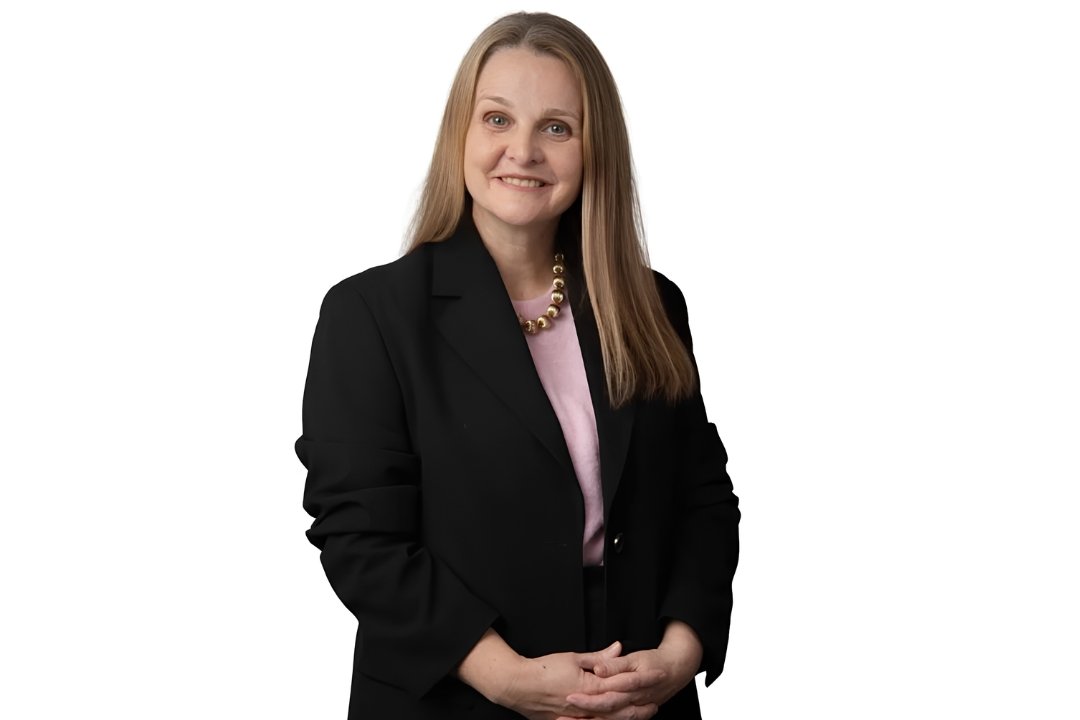

Engineers Without Borders UK – a non-profit organisation has announced the appointment of Georgia Elliott-Smith as its new Chair. She brings decades of experience in the built environment sector and a reputation for challenging greenwashing and corporate complacency.
As Chair of Engineers Without Borders UK, Elliott-Smith intends to push for systemic change in the sector, particularly in how engineers are trained to address complex, interconnected global challenges. “There’s still a huge gap in our education system when it comes to systems thinking,” she said. “Most people aren’t taught how climate change links to food systems, to migration, to inequality – let alone how their own profession fits into that. We’ve got a generation of engineers entering the workforce thinking that addressing climate change means buying an electric car.”
For Elliott-Smith, meaningful change requires aligning values with outcomes. “We need to be honest: most organisations don’t reward the behaviours they claim to value. There’s a disconnect between what companies say they stand for and what they actually incentivise.”
“We need to ask employers: how are you recognising and rewarding people who take climate and justice seriously? If you say you care about sustainability, how is that reflected in how you measure performance, give promotions, allocate budgets? Until we align values with outcomes, nothing will change.”
She believes Engineers Without Borders UK can help drive that shift, pointing to initiatives such as the Systems Change Lab and the Global Responsibility Competency Compass as examples of work that challenges the sector to rethink professional success.
Although she is often critical of the status quo, Elliott-Smith is optimistic about the next generation of engineers. “Students are often the most motivated. The risk is that they enter the workplace and immediately get told to toe the line. If we want to retain that energy, we need to create environments where people can hold on to their convictions.”
Her aim as Chair is to ensure the profession supports those convictions rather than eroding them.