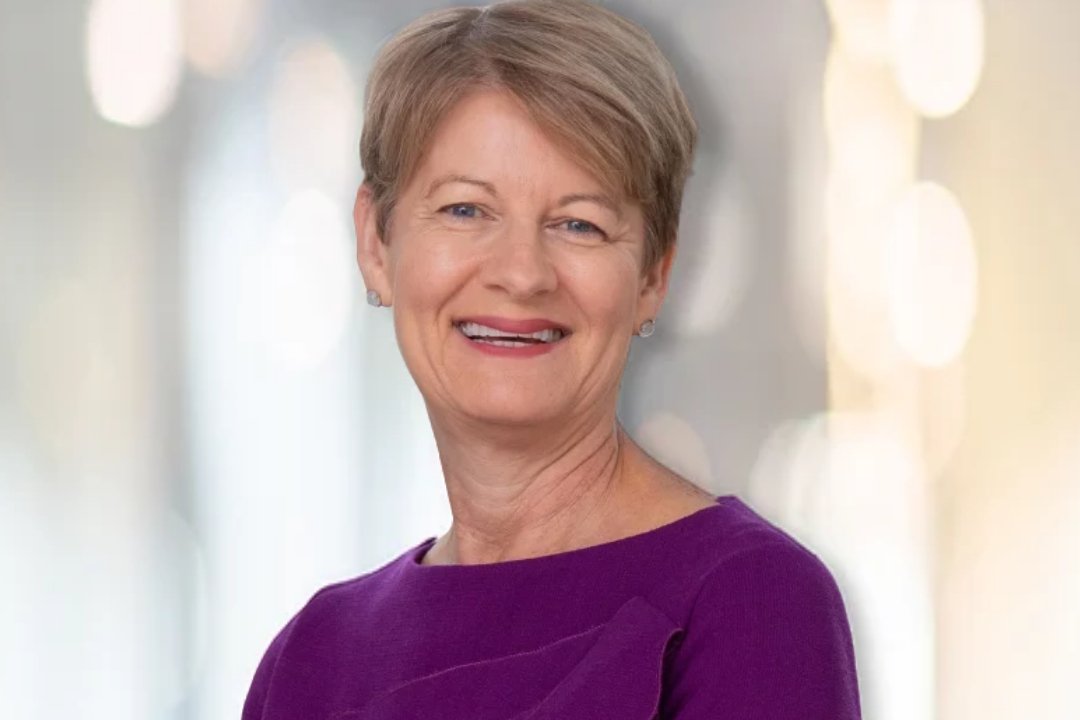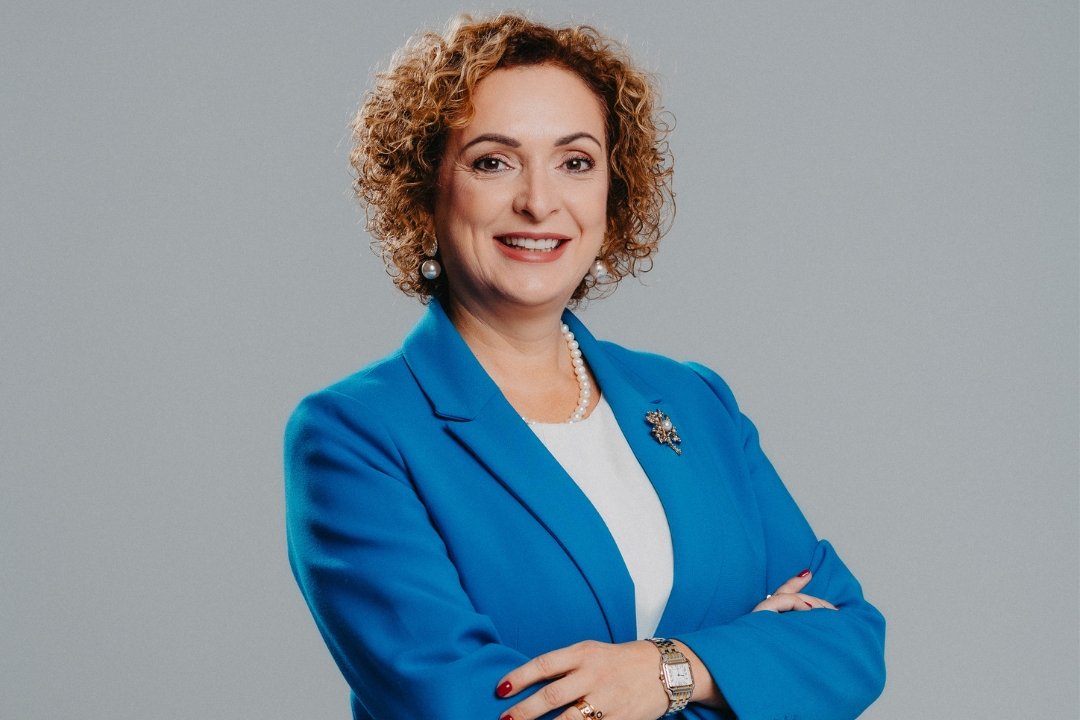

Marija Labovic took the helm of the National Tourism Organisation of Serbia in 2015. Back then, Serbia was a destination people had heard of but rarely chose. A decade on, that has changed considerably. Armed with a background in banking and a Master’s in tourism economics, she brought an unconventional rigour to destination marketing, and her belief that authority is earned through results rather than titles has quietly defined her leadership style. Today, with Serbia gaining ground as one of Europe’s most compelling travel stories and EXPO 2027 on the horizon, Labovic reflects on the journey, the philosophy and the work still ahead.
Women’s Tabloid: Could you elaborate on the professional journey leading up to your current role as the CEO of the National Tourism Organisation of Serbia?
Marija Labovic: My professional journey has been shaped by business, management, and tourism. My academic background in business administration, later complemented by a Master’s degree in tourism economics, together with experience across different sectors, gave me a broad perspective and a strong understanding of market development. When I took over the leadership of the National Tourism Organisation of Serbia in 2015, my goal was clear, to help Serbia secure a stronger, more contemporary, and more visible position on the international tourism map. Since then, together with the team I lead and in close cooperation with many partners, we have worked to turn that potential into concrete and measurable results.
WT: As a woman leader in the travel and tourism industry, what are some challenges you faced in your career, and how did you overcome them?
ML: Leadership always comes with great responsibility, and in tourism those challenges are even more pronounced because it is an industry that changes quickly and responds strongly to global developments. In such an environment, it is essential to remain consistent, professional, and confident in your direction. I believe that trust and authority are built not through a title, but through results, integrity, and the way you lead people. In my case, every challenge was easier to overcome thanks to teamwork, a shared sense of purpose, and a clear focus on our goals.
WT: Could you tell us more about the vision and philosophy that guides your leadership in tourism development?
ML: My philosophy is that tourism must be developed strategically, responsibly, and with a clear sense of identity. A successful destination is not simply one that is promoted well, but one that truly understands what it represents and what kind of experience it offers its visitors. From the very beginning, it was important to me that, together with the team I lead, we position Serbia as a modern, authentic, and diverse destination with a strong identity and genuine tourism value. I believe the best results come when vision, teamwork, and continuity come together.
WT: How did the Serbian tourism industry perform in FY 2025 in terms of key results, growth indicators, and the structure of domestic and international tourist arrivals?
ML: The results for 2025 confirmed that tourism remains a stable and strategically important sector for Serbia. Particularly encouraging was the balanced contribution of both domestic and international demand, with foreign visitors continuing to account for a strong share of the overall tourism structure. Positive momentum was also visible in segments such as mountain and spa tourism, highlighting the growing diversity and appeal of Serbia’s tourism offer. At the same time, tourism continued to make a significant economic contribution, further reinforcing its role as an important driver of Serbia’s overall development.
WT: In your opinion, how has the travel and tourism industry evolved since you first joined the National Tourism Organisation of Serbia in 2015? How has Serbia’s position on the global market changed in this period?
ML: Tourism has changed profoundly over the past ten years. Today’s travellers are better informed, more selective, and increasingly drawn to authenticity, quality, sustainability, and meaningful experiences. At the same time, competition between destinations has become much more intense. In that environment, Serbia has made an important leap forward. We have moved from being a destination with strong potential to one with a clearer identity, stronger presence, and much greater international visibility. That progress is not the result of a single initiative, but of long-term work, sound strategy, and the joint efforts of our team and partners in building Serbia’s position on the tourism market.
WT: What are the key competitive advantages that have shaped Serbia’s position as a travel destination?
ML: Our greatest advantage is authenticity. Serbia offers a distinctive combination of history and modernity, rich culture, outstanding gastronomy, natural beauty, hospitality, and urban energy. That diversity is what makes it especially attractive to today’s travellers. In addition, Serbia is competitively priced, well positioned geographically, and increasingly recognised for city breaks, gastronomy, events, and congress tourism. I believe it is precisely this combination of authentic experiences, strong value, and the continuous efforts of the sector to enhance the overall offer that makes Serbia such an appealing destination today.
WT: Could you tell us about the significance of EXPO 2027 in enhancing Serbia’s visibility and long-term positioning on the international tourism market?
ML: EXPO 2027 represents an exceptional opportunity for Serbia to present itself to the world in a new and comprehensive way. It is much more than a major international event. It is a platform for strengthening the country’s image, visibility, and long-term attractiveness. Events of this scale have the power to reshape the perception of a destination, accelerate infrastructure development, and create new opportunities in tourism, business, and investment. I believe EXPO 2027 can become one of the key milestones in Serbia’s future international positioning, and it is up to all of us, institutions and the wider sector alike, to make the most of that opportunity.
WT: What are your key priorities and strategic direction for the near future?
ML: Our priorities remain clearly defined: further strengthening Serbia’s international competitiveness, improving the quality of the tourism offer, and ensuring targeted promotion in our priority markets. At the same time, it is important for us to continue investing in digital development, stronger partnerships, and a closer connection between tourism and the broader development of destinations. A special focus will also be placed on ensuring that Serbia fully leverages the opportunities created by EXPO 2027 and further strengthens its position on the international market. At its core, our goal is to build a strong, sustainable, and recognisable tourism identity for Serbia through shared work and a clear strategic direction.
WT: As sustainability becomes a growing priority in travel and tourism, how does it factor into your plans and priorities for the Serbian tourism sector?
ML: Sustainability is now an essential part of any serious approach to tourism development. Growth must be responsible, carefully planned, and focused on preserving the qualities that make a destination special. This means tourism should contribute to local communities, promote authentic values, and protect natural and cultural resources. For me, and for the team I work with, sustainability is a matter of long-term responsibility and development quality. Only tourism that respects place, people, and identity can remain successful in the future.
WT: What trends do you see shaping the travel and tourism industry in the upcoming years?
ML: In the coming years, I see several powerful trends shaping the industry. Travellers will increasingly seek authentic and personal experiences rather than standardised offers. Sustainability will play an even greater role in destination choice, while digitalisation will continue to transform the way travel is planned, selected, and experienced. At the same time, gastronomy, wellness, active holidays, shorter trips, and specialised segments such as congress and event tourism will continue to grow in importance. All of this creates a strong opportunity for Serbia, and our role is to respond to these trends together with the sector and our partners in a way that is modern, strategic, and high quality.