
Emirati women recorded a series of significant milestones in 2025, as the UAE advanced its position as a global leader in women’s empowerment through national policy reforms and prominent international appointments.
Over the course of the year, women from the UAE took on expanded roles across the economy, science and global governance, supported by long-term strategies aimed at increasing participation in leadership and future-focused sectors.
A major development was the launch of the “Mother of the Nation’s 50:50 Vision”, a national roadmap extending to 2075. The strategy focuses on improving quality of life, increasing female participation in advanced technology industries and expanding women’s representation in senior decision-making positions.
To support the objectives of the vision, the UAE Cabinet restructured the UAE Gender Balance Council. The move included updates to legislative frameworks, contributing to the country’s ranking of 13th globally and first regionally in the 2025 UNDP Gender Equality Index.
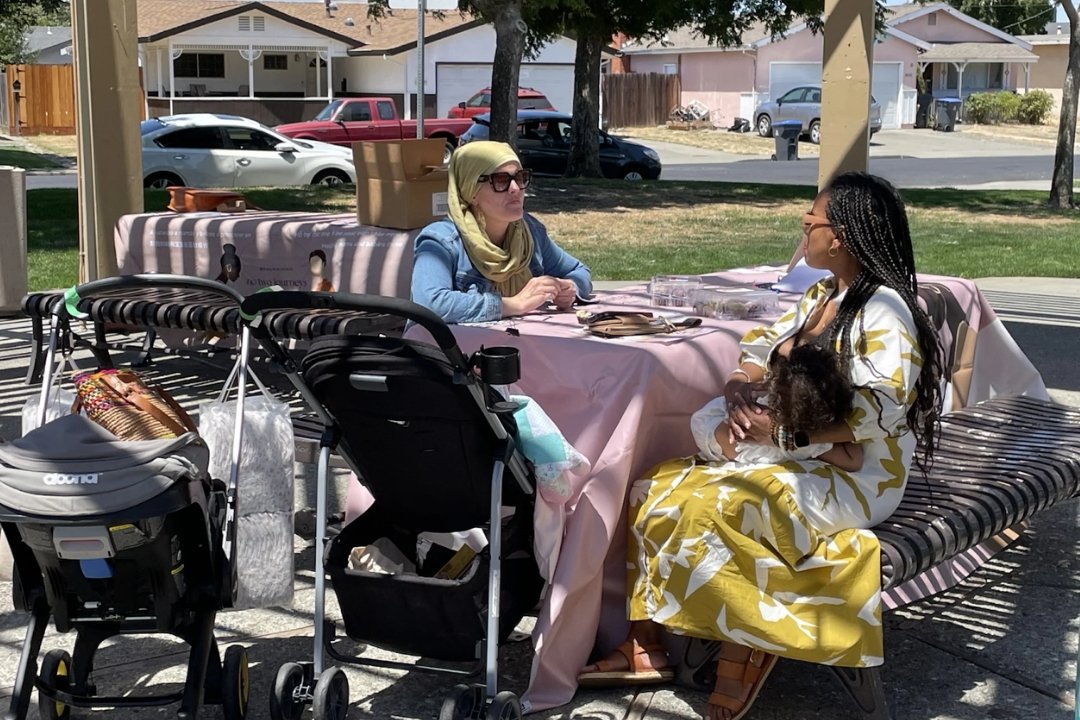
Economic participation also saw notable progress. The General Women’s Union (GWU) introduced several initiatives described as global firsts, including the world’s first official employment programme dedicated to “Productive Families”. The programme provides monthly salaries, employment benefits and social security coverage.
The GWU also expanded the international footprint of Emirati women entrepreneurs by establishing the first Emirati women entrepreneurs council in China. In parallel, the “We Grow for Sustainability” project was launched, with plans to train 3,500 women and support 140 female-led agricultural projects over the next five years.
In science and technology, targeted initiatives continued to address gender gaps. Programmes such as “AI-Forward” trained more than 100 women in cloud computing and data analysis, contributing to a growing female presence in advanced digital skills.
Data from Heriot-Watt University showed that the UAE recorded the highest level of female board representation in the GCC at 14.8 percent, marking a 37 percent increase compared to the previous year. Women now make up 50 percent of the Federal National Council, 70 percent of university graduates, 56 percent of STEM graduates and more than half of the workforce in the UAE space sector, including 80 percent of the scientific team behind the Hope Probe.
On the global stage, Shaikha Nasser Al Nowais was elected Secretary-General of UN Tourism for the 2026–2029 term, becoming the first woman to hold the role in the organisation’s 50-year history. The World Economic Forum also selected Shamma bint Suhail Al Mazrouei, Meera Sultan Al Suwaidi and Tuka Waddah Alhanai for its Young Global Leaders Council of 2025.
Environmental leadership was further highlighted by the re-election of Razan Khalifa Al Mubarak as President of the International Union for Conservation of Nature for a second term, alongside other Emirati women securing senior positions in international pharmaceutical and interfaith organisations.