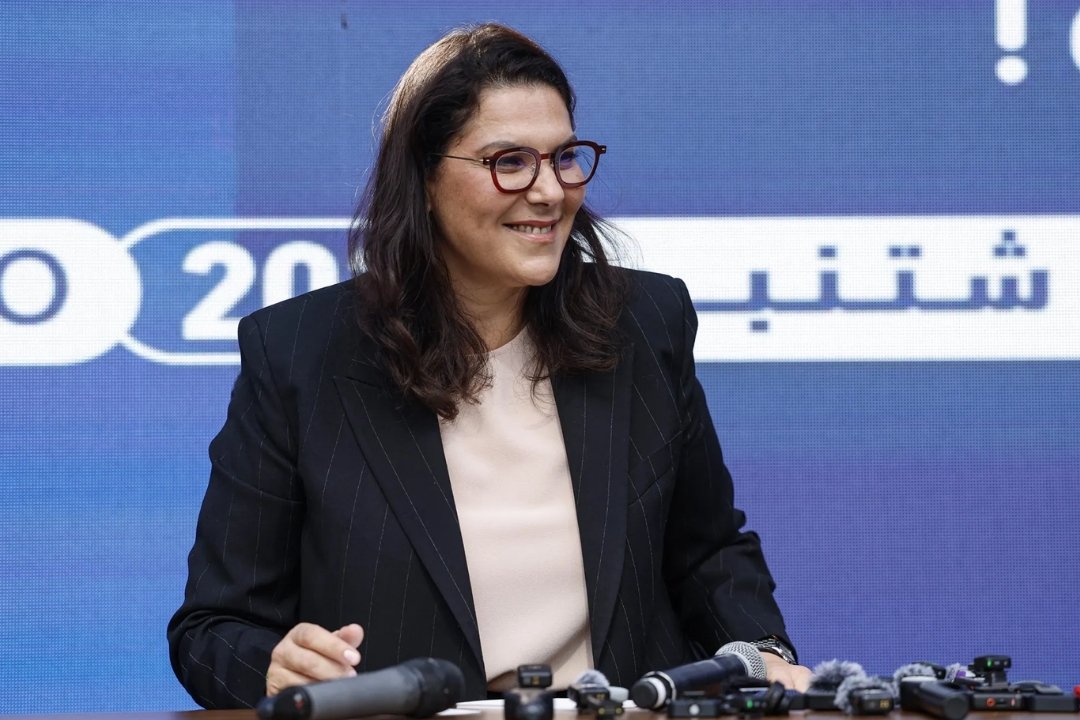
Greater regional collaboration between ASEAN and its Plus Three partners is essential to empower women through digital transformation, with a focus on capacity-building, innovation, and cross-border cooperation, said Deputy Minister of Rural and Regional Development Datuk Rubiah Wang.
Delivering the keynote address at the ASEAN+3 Forum on Women and Digitalisation, Rubiah outlined three key areas of cooperation to advance women’s participation in the digital economy.
“First, capacity-building. We should share training programmes and digital literacy modules, so that rural women in all our countries can benefit from best practices,” she said.
She added, “Second, funding and innovation hubs. We need to explore potential support for women-led start-ups, cooperatives, and enterprises with easier access to finance, technology, and mentorship.”
“Third, regional platforms. By promoting cross-border e-commerce, we can give rural women entrepreneurs access to bigger markets, not only within ASEAN but also in East Asia,” she also said.
Rubiah stressed that no nation could advance alone as digitalisation evolves rapidly, emphasising that cooperation is vital for progress.
Among those attending the event were the Ambassador of the Lao People’s Democratic Republic to Malaysia, Thepthavone Sengmany; Secretary General of the Ministry of Rural and Regional Development, Datuk Muhd Khair Razman Mohamed Annuar; Second Secretary of Japan’s Mission to ASEAN, Sae Kobayashi; and ASEAN Secretariat Assistant Director and Head of the Poverty Eradication and Gender Division, Miguel Musngi.
Rubiah reaffirmed Malaysia’s commitment to working closely with ASEAN and its Plus Three partners to ensure that digital transformation benefits all.
“At the end of the day, when rural women prosper, rural communities prosper, and when rural communities prosper, our nations become stronger and more resilient. Digital tools enable rural women to sell products, learn skills, access health information, and reach new markets,” she said.
She added, “Digitalisation is not just technology- it is opportunity, empowerment, and equality. The story of women and digitalisation is, in fact, the story of ASEAN’s future. If we succeed in empowering women, especially in rural areas, we will succeed in creating a digital economy that is inclusive, dynamic, and resilient.”
She highlighted that ASEAN’s collective goal, as outlined in the ASEAN Framework Action Plan on Rural Development and Poverty Eradication (2021–2025), is to ensure women not only benefit from digitalisation but also play an active role in shaping it.
“It mandates institutional mechanisms to promote participation of women in rural development and decision-making, ensuring that development does not leave women behind,” Rubiah said. The plan, she explained, is designed to accelerate rural transformation and alleviate poverty, explicitly integrating women, youth, and vulnerable groups into regional development programmes.
The ASEAN Digital Masterplan 2025, she noted, complements these initiatives by prioritising inclusive digital transformation and bridging the digital divide. In addition, the Declaration on Gender-Responsive Implementation of the ASEAN Community Vision 2025 strengthens regional commitments to ensuring women are not excluded from the benefits of the digital economy.
Malaysia’s progress in rural digitalisation
From Malaysia’s perspective, Rubiah said the government had achieved significant progress through initiatives such as the JENDELA (National Digital Network Plan) programme, aimed at improving broadband access and quality, particularly in underserved areas.
“JENDELA has already registered notable achievements, with some even exceeding original targets. For instance, we have successfully connected 839 rural and Orang Asli communities via satellite, covering extreme last-mile gaps,” she said.
According to the Department of Statistics Malaysia (DOSM) 2024 data, internet access among rural households increased to 90.3 per cent in 2024, up from 89.8 per cent in 2023, compared to 98.8 per cent for urban households.
Rubiah also cited the ministry’s Desamall online platform, which connects rural entrepreneurs with broader markets. Since its launch in 2019, the platform has onboarded over 7,100 entrepreneurs, with more than 80 per cent being women.
She added that the Entrepreneur Digitisation Programme (PPU) has trained 4,450 entrepreneurs in digital business skills, including market access, financing, and content creation. Meanwhile, through the Institute of Rural Advancement (INFRA), a range of training and leadership initiatives are being implemented to enhance women’s participation in the digital economy.
Strengthening cooperation through ASEAN forums
In conjunction with Malaysia’s ASEAN Chairmanship 2025, two key events were held: the ASEAN Multistakeholder Dialogue on the ASEAN Master Plan on Rural Development (7–8 October) and the ASEAN+3 Forum on Women and Digitalisation (9 October).
Both sessions brought together over 100 participants from ASEAN member states and Plus Three partners (China, Japan, and the Republic of Korea) to discuss collaborative strategies to close the digital divide and promote gender equality.
The dialogue aimed to strengthen implementation of the ASEAN Master Plan on Rural Development by promoting regional cooperation for sustainable and inclusive rural transformation. The forum, meanwhile, examined the challenges faced by rural women in accessing technology, education, and financial resources.
Rubiah concluded that regional unity and shared innovation will be essential for building a digital ecosystem that truly empowers women. Through inclusive initiatives and strategic cooperation, ASEAN+3 can advance towards a future where every woman, regardless of location, can participate fully in the digital economy.