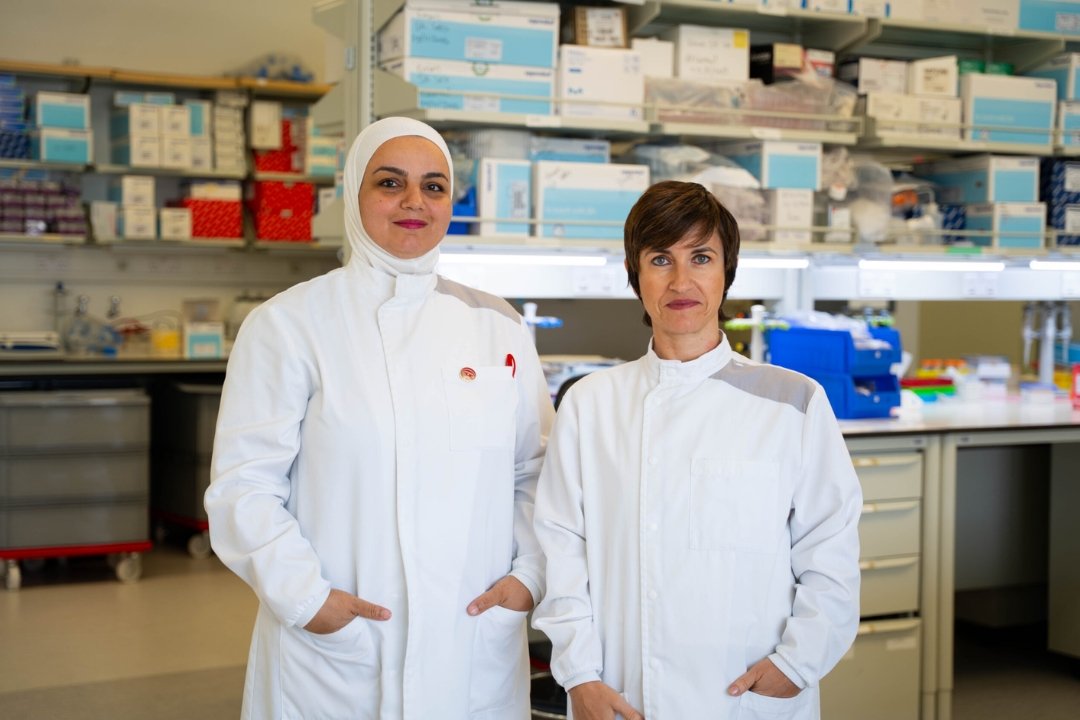

Qatar-based healthcare organisation Sidra Medicine has launched a specialised Microbiome Service to mark World Microbiome Day. The new division will provide clinical researchers and commercial entities with advanced testing capabilities to support precision medicine and personalised healthcare across the region.
Operating as a private-paid facility, the service is managed by the Laboratory of Microbiome and Biomarkers Discovery. It is specifically designed to support academic and industry investigators across the Middle East and North Africa (MENA) region who lack the specialised infrastructure or sequencing expertise to process biological samples internally.
The service uses state-of-the-art sequencing and bioinformatics pipelines to evaluate complex microbial communities. Clinicians can submit samples from various body sites, including blood, stool, saliva, skin, breastmilk and tissue biopsies, to identify how the human microbiome impacts health and disease.
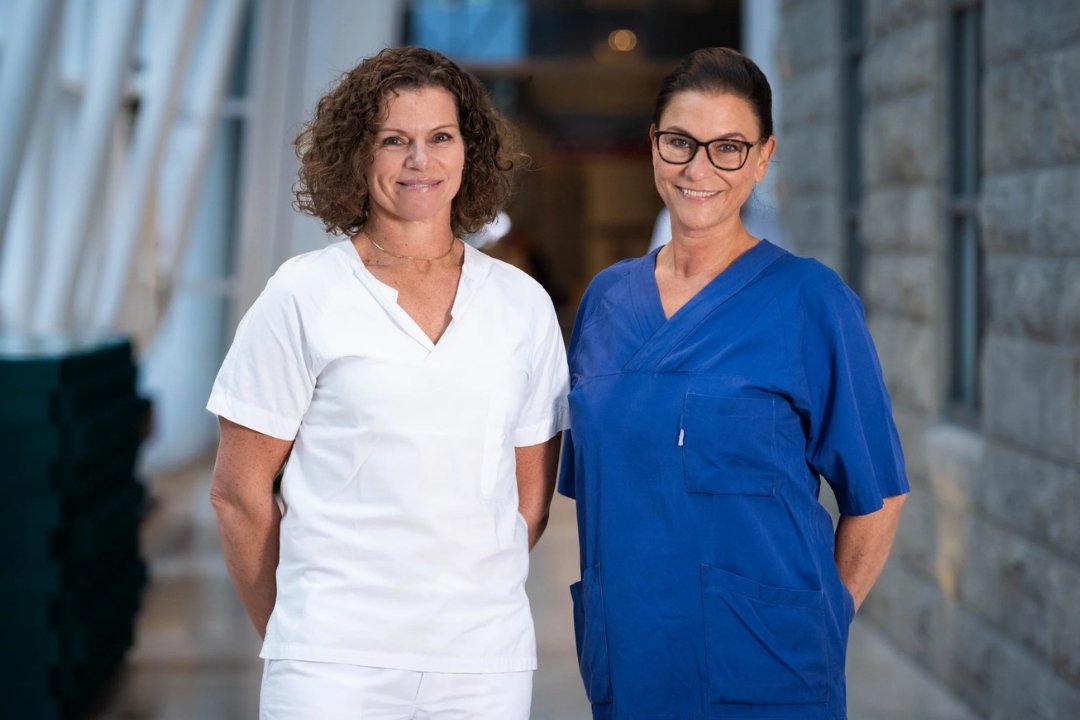
“The human microbiome plays a fundamental role in health throughout every stage of life, influencing everything from early development and immune function to chronic disease risk. Our new Microbiome Service will enable clinicians and researchers to better understand these complex microbial communities and translate scientific discoveries into meaningful clinical applications. By integrating advanced microbiome analysis into our research and clinical ecosystem, Sidra Medicine is helping shape the future of precision medicine in Qatar and the region,” said Dr. Souhaila Al Khodor, Director of the Reproductive and Perinatal Health Division and lead of the Microbiome & Biomarkers Discovery lab at Sidra Medicine.
The new launch builds directly upon the hospital’s established international research framework, which investigates nutrition, metabolic disorders, maternal health and precision therapeutics. Alongside the operational rollout, Sidra Medicine has announced it will host its second MENA Microbiome Conference from 17 to 18 October 2026.
The conference scientific programme will cover four primary categories, including the microbiome in women’s health, its role during the first 1,000 days of life, gut-organ axis discoveries and host-microbiome therapeutic strategies.
Dr. Annalisa Terranegra, Principal Investigator in Precision Nutrition at Sidra Medicine and Co-Chair of MENA Microbiome 2026, said: “The MENA Microbiome Conference has become a unique platform for advancing collaboration across research, clinical care and innovation. By bringing together world-leading experts and emerging scientists, we aim to accelerate the translation of microbiome discoveries into practical healthcare solutions that improve outcomes for patients across the Middle East and North Africa. This year’s program reflects the rapid evolution of the field and the growing importance of microbiome science in precision medicine.”
The upcoming event has been accredited for up to 12 Continuing Professional Development (CPD) credits, with abstract submissions and event registrations currently open to international delegates.