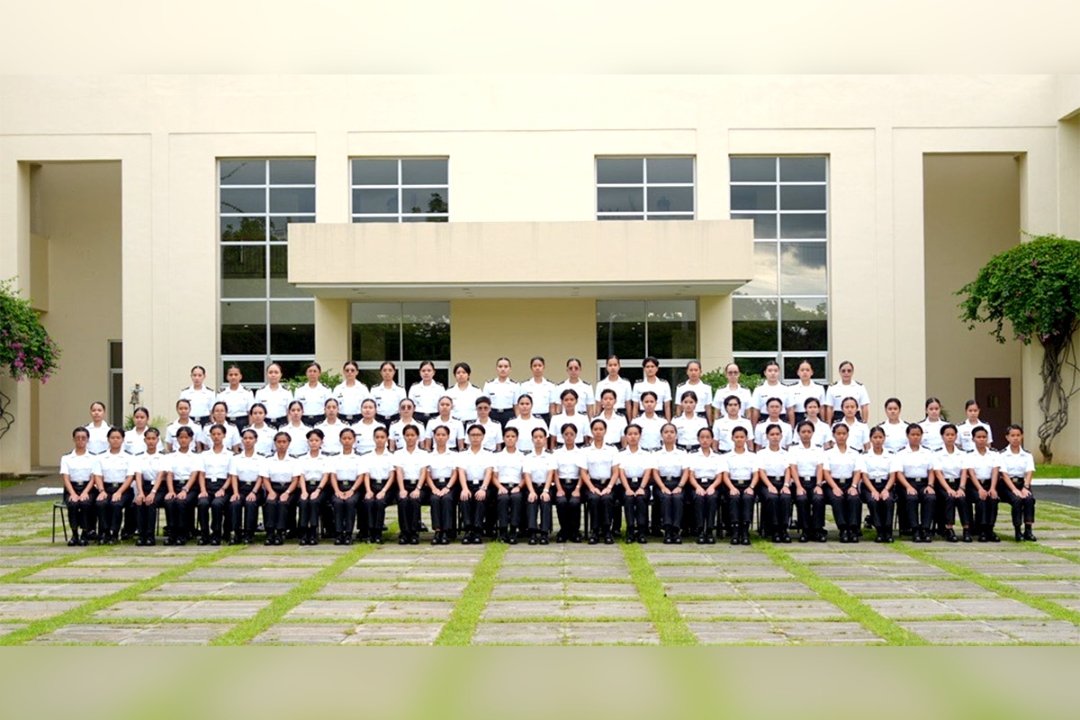
Women auditors representing 20 countries from across the Asia-Pacific region took part in a regional training course in Singapore, as part of the IMO Member State Audit Scheme (IMSAS).
The in-person training was organised to equip participants with the skills required to carry out audits under the IMSAS framework. Alongside technical upskilling, the course aimed to address the low number of women working in maritime auditing, particularly in this part of the world.
Participants were required to complete an e-Learning module ahead of the workshop, delivered through the IMO’s Learning Management System. This blended format helped build expertise in the planning, execution and reporting of audits.
As laid out in the Framework and Procedures for IMSAS, all Member States of the International Maritime Organization must complete an audit within a seven-year cycle. Up to 25 audits are scheduled each year. Since audits became mandatory in January 2016, 148 have been completed — covering 83% of IMO’s 179 Member States and Associate Members.
This training was delivered through IMO’s Integrated Technical Cooperation Programme (ITCP) and aligned with the Singapore-IMO Third Country Training Programme (TCTP).
Countries represented in the pilot scheme included Bangladesh, Brunei Darussalam, Cambodia, China, the Cook Islands, Hong Kong (China), Indonesia, Kiribati, Malaysia, Nauru, Papua New Guinea, the Philippines, the Republic of Korea, Samoa, Singapore, Thailand, Timor-Leste, Tonga, Tuvalu, Vanuatu and Viet Nam.
About International Maritime Organization (IMO)
IMO is the United Nations’ specialized agency responsible for safety and security of shipping and the prevention of marine pollution by ships. With 176 Member States and three Associate Members, IMO is based in London with around 300 international staff.
As a specialized agency of the United Nations, IMO is the global standard-setting authority for the safety, security and environmental performance of international shipping. Its main role is to create a regulatory framework for the shipping industry that is fair and effective, universally adopted and universally implemented. IMO’s work supports the UN’s Sustainable Development Goals.