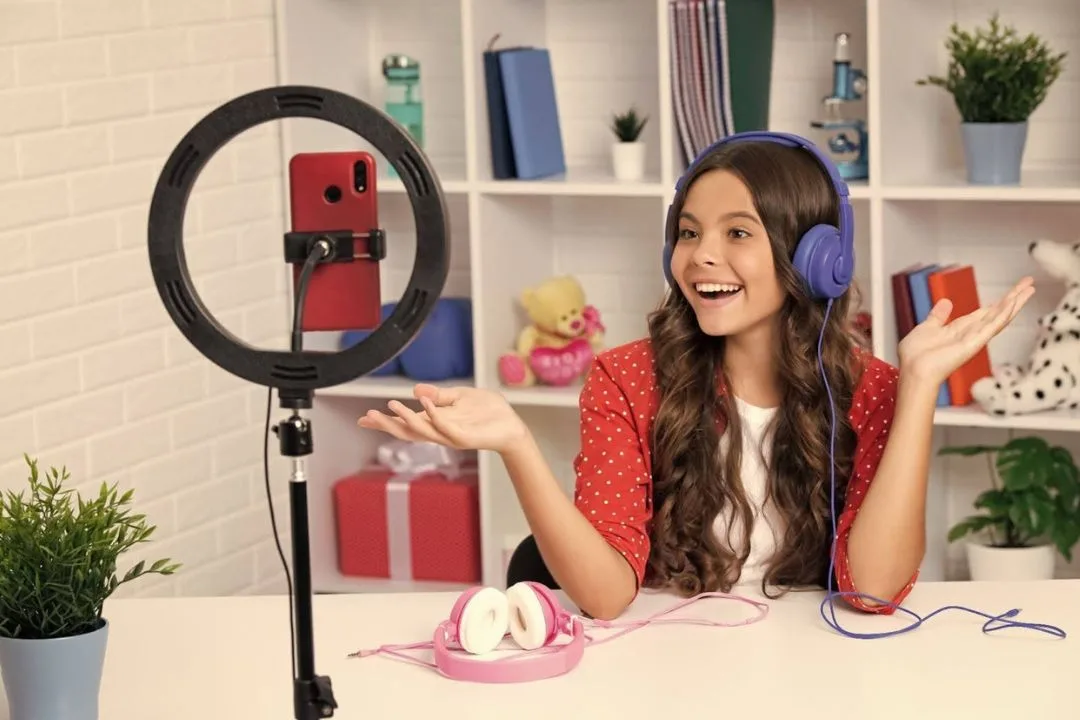

In the early 2000s, amid rapid internet evolution, YouTube emerged as a pioneering force. Founded in 2005 by former PayPal employees, it began as a platform for effortless sharing of homemade videos. Its accessibility allowed global audiences to enjoy a variety of content, from humorous cat videos to amateur performances, heralding YouTube’s cultural impact.
The Rise of Content Creators
As YouTube grew in popularity, a new wave of creators emerged who were everyday people, not traditional celebrities. They gained fame by sharing their hobbies, talents, and personalities online. Whether they focused on makeup tutorials, video game playthroughs, or daily life vlogs, these creators cultivated loyal followings who eagerly tuned in to watch their content. This shift highlighted YouTube’s role in empowering individuals to connect with global audiences and shape trends in entertainment and lifestyle content.
Democratizing Influence
YouTube revolutionized influence by democratizing content creation. Unlike traditional media monopolized by corporations, YouTube empowered anyone to become a content creator and build an audience organically. This shift decentralized power from gatekeeping entities to individual creators who could directly resonate with their viewers. It sparked a cultural shift where personal authenticity and niche expertise became more valued than traditional fame. This democratization not only diversified media representation but also redefined how audiences consume and engage with content, fostering a more inclusive and dynamic media landscape where anyone with a camera and an idea could make an impact.
YouTube’s Impact on Culture and Marketing
YouTube creators didn’t just influence entertainment—they shaped cultural trends and consumer habits. Makeup tutorials impacted fashion and beauty trends, while unboxing videos drove the popularity of various products, turning influencers into trendsetters with substantial purchasing influence.
YouTube’s triumph also paved the way for other social platforms like Instagram, TikTok, and Twitch to adopt influencer marketing. These platforms provided diverse avenues for creators to engage audiences and earn from their content. The influencer movement sparked by YouTube set a standard for brands to connect with consumers in the digital era, emphasizing the power of authentic, direct engagement over traditional advertising methods. This shift redefined how brands approach marketing, highlighting the importance of personal connection and trust in modern consumer interactions.
Challenges in the Influencer Industry
However, the influencer industry encounters several challenges including maintaining authenticity, managing influencer burnout, and adapting to algorithm changes. These issues are persistent concerns for both creators and brands. As digital platforms evolve, creators must navigate new trends and come out with new strategies while staying true to their authentic voice and maintaining a strong connection with their audience. This requires continuous adaptation and resilience to thrive in an environment where maintaining credibility and engagement are crucial for long-term success.
Conclusion
YouTube’s rise not only transformed the media landscape but also sparked a cultural revolution centered around influencers. By empowering individuals to share their stories and expertise online, YouTube redefined what it means to be a celebrity and how brands connect with consumers. As we look to the future, the influence of YouTube and its creators will undoubtedly continue to shape trends, drive conversations, and redefine the way we consume media.