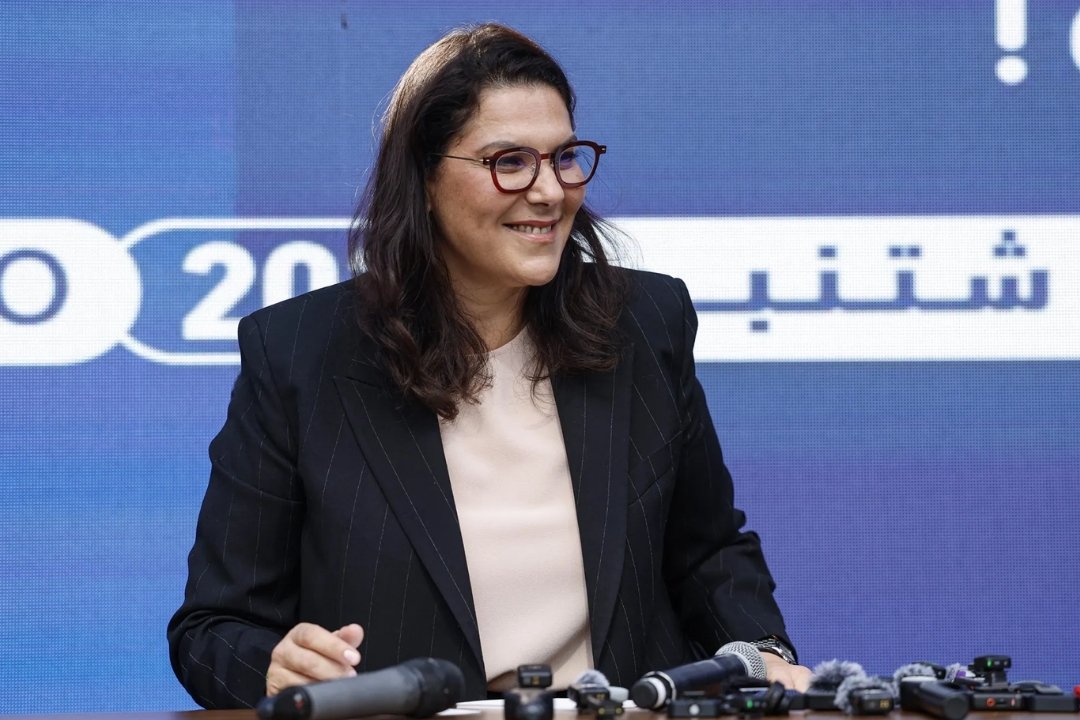
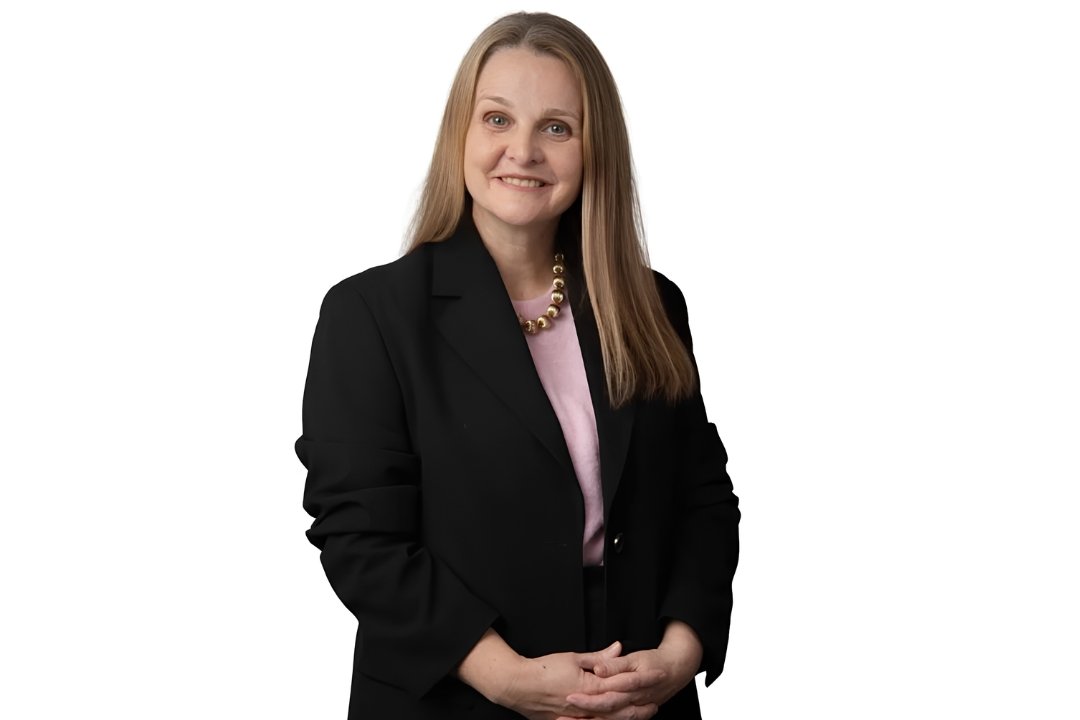
Mariam Ahmed Al-Khal is a Qatari tech leader who is one of the key contributors to the country’s digital transformation. With experience spanning across industries, she is widely recognised for driving innovation, achieving operational excellence, and delivering impactful ICT solutions. In this interview, she speaks about a range of subjects from her journey in the technological industry to Ooredoo Qatar’s role in the country’s National Vision 2030, and lends her professional insights into the industry.
Women’s Tabloid: Can you tell us about your motivation behind entering the technology industry, and your journey leading to a senior leadership position in product development at Ooredoo?
Mariam Ahmed Al-Khal: My journey into technology was driven by curiosity and a belief that innovation should always serve people. Early in my career, I worked across various industries, which gave me a strong appreciation for how innovation can create opportunities everywhere.
Joining Ooredoo in 2015, it allowed me to bring that vision into practice, through leading national digital initiatives such as the TASMU Smart Programme, and then into ICT product development. Today, as Senior Director of the Product Hub, my focus is on transforming emerging technologies into real-world value that empowers people and supports Qatar’s digital future.
WT: How is Ooredoo contributing to QNV 2030?
Mariam: At Ooredoo, every product and service we develop is always measured by its ability to contribute to our national agenda. Qatar National Vision 2030 provides us with a clear direction: building a diversified, knowledge-based economy that is inclusive, connected, and sustainable. Our role is to enable this through world-class digital infrastructure, cybersecurity, IoT platforms, and cloud collaboration tools.
Through our long-standing partnerships with key global technology players, we are actively ensuring Qatar’s enterprises, government entities, and SMEs can operate more efficiently and securely. Ultimately, our commitment is not only to deliver advanced solutions but also to support our nation’s ambition of becoming a regional and global hub for digital innovation.
WT: How important is digital inclusion for the overall economic development of Qatar and the Middle East at large?
Mariam: That’s a great question. Digital inclusion is, in many ways, the same as economic inclusion. When people, small businesses, and communities are given equal access to secure connectivity and advanced tools, they can participate fully in the economy. In Qatar, ensuring that everyone can collaborate through cloud services or access secure digital platforms has a very real and direct impact on job creation, innovation, and competitiveness.
Across the Middle East, digital inclusion also means bridging geographic and social divides, enabling women, youth, and underserved communities to thrive in the new digitally enabled economy. At Ooredoo, our mission is to make intelligent working inclusive for everyone, ensuring technology upgrades lives and opportunities across every part of society.
WT: How has the ICT industry in Qatar evolved in the past decade?
Mariam: It’s been remarkable and unprecedented; the ICT industry in Qatar has undergone a truly extraordinary transformation over the past decade. We have moved from a focus on connectivity to delivering full digital platforms and integrated managed services. Businesses today want more than bandwidth; they value outcomes such as operational efficiency,
security, and smarter ways to engage their customers.
We’ve seen significant advancements in areas such as cybersecurity, where the ecosystem has matured to address increasingly sophisticated threats, and in IoT and AI, which are now part of everyday operations across nearly all sectors. Qatar has taken full advantage of this evolution and is now a leader in digital innovation in both our region and internationally.
WT: Were there any significant challenges you faced as a female leader in the ICT industry?
Mariam: Like many women in STEM fields, I have faced some moments where I had to work harder to prove my capabilities in a traditionally male-dominated environment. But I have always chosen to view these challenges as opportunities to show that leadership is defined by outcomes, not by gender.
I have been very fortunate to have mentors and colleagues who supported my journey throughout my career in Qatar, and I take that responsibility forward by encouraging other women to pursue careers in ICT. Representation matters. When young women see others leading and innovating in this space, they begin to imagine themselves in those roles too.
WT: What would your advice be to young professionals entering the ICT sector?
Mariam: Our industry is constantly shifting, but my advice is to always start with the problem you are trying to solve, not just the technology itself. Tools will evolve quickly, but the ability to connect innovation to real human and business needs is what makes you truly valuable. Be curious, stay adaptable, and never stop learning, particularly in areas like ICT, AI, and cybersecurity, which underpin everything we do.
I also encourage young professionals to seek mentors, to collaborate widely, and to build diverse networks. Technology is not created in isolation; it thrives in partnerships. Above all, have confidence in your ideas and be prepared to take ownership of your own growth.
WT: As the Senior Director Product Hub at Ooredoo Qatar, what is a project implemented under your leadership that is very important to you?
Mariam: That’s a difficult one, as I’m proud of everything we have achieved together at Ooredoo. One project that does stand out is the launch of our advanced smart office productivity tool offering collaboration and communication solutions to business customers. This project was about more than just deploying technology; it was about empowering smart working for every business in Qatar.
By combining secure connectivity with intuitive platforms, we made collaboration more inclusive, efficient, and scalable. We also ensured cybersecurity was built in, so customers could innovate with confidence. For me, this project embodies our approach at Ooredoo. Working hand-in-hand with global partners and local enterprises to deliver solutions that truly upgrade our customers’ world while supporting Qatar’s broader digital transformation journey.
WT: What factors drive your product innovation at Ooredoo?
Mariam: Our innovation is primarily driven by three key factors; the needs of our customers, the strengths of our existing or potential partners, and alignment with Qatar’s national agenda. We start by carefully listening to our customers to understand their challenges. Whether that’s improving efficiency, ensuring security, or enabling smarter ways of working.
Then, through collaboration with world-leading technology partners, we co-create solutions that are relevant and future-proof. Finally, every product is measured against its contribution to Qatar National Vision 2030, so innovation is not just about launching something new, but also upgrading our customers’ world in a way that also advances our country’s digital future.
WT: How is Ooredoo and the ICT industry at large driving Smart City Solutions in Qatar?
Mariam: All around the world, smart cities are fundamentally built on reliable connectivity, secure platforms, and practical applications that make daily life easier and safer. At Ooredoo, we are proud to be at the very heart of this ecosystem in Qatar, deploying 5G, IoT, cloud, and AI to power the services that bring a smart city to life.
From asset and vehicle tracking that improves safety and efficiency, to collaboration platforms that support smarter workplaces, we ensure that the technology is not just advanced but also innately usable and genuinely impactful.
WT: In your perspective as a Qatari female leader, how important is gender diversity and equality for the country’s development?
Mariam: In Qatar, gender diversity is not just seen as a social responsibility; it is valued as an economic opportunity. Diverse teams bring different perspectives, which leads to better innovation, stronger products, and more inclusive services. For a country like Qatar, aiming to be a global leader in digital transformation, ensuring that women are fully represented in ICT and leadership is crucial to realising that vision.
Equality enables us to tap into the full potential of our talent pool, which in turn accelerates our growth. As a female leader, I see firsthand how empowering women in technology helps create a culture of inclusion that benefits businesses, communities, and the nation as a whole.