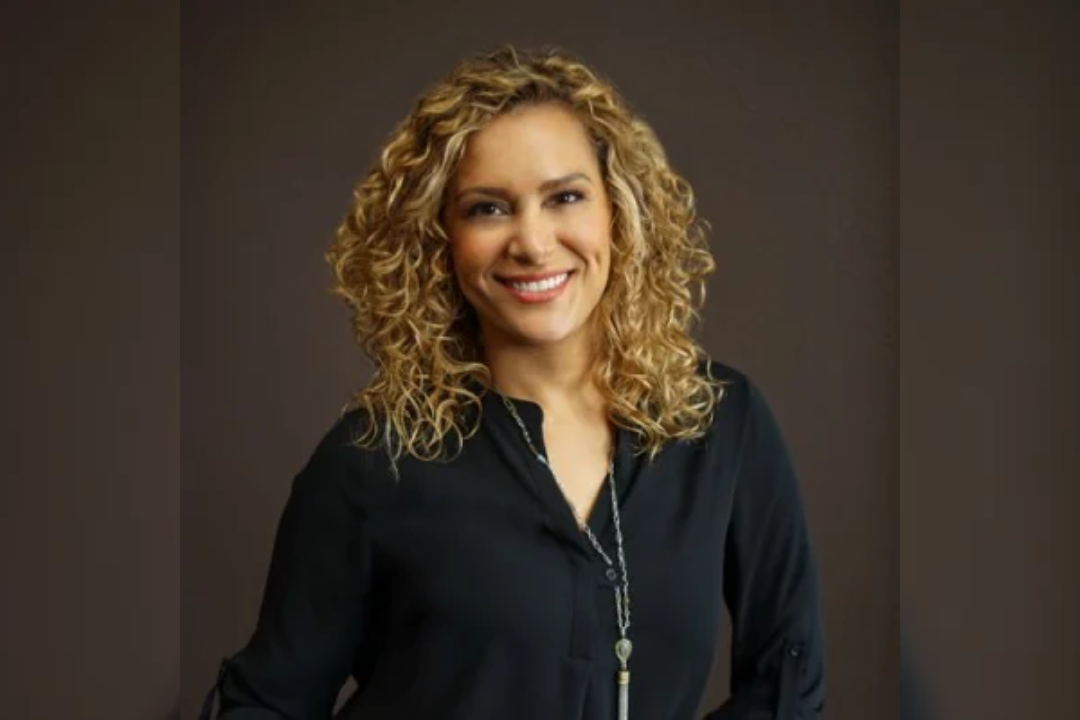
Anne Boden, the founder of British digital bank Starling Bank, has revealed plans to establish a new artificial intelligence-focused banking venture called Lockwood, marking her return to the financial technology industry with a business designed around the growing use of AI agents.
The entrepreneur, who founded Starling in 2014 and helped establish it as one of Britain’s prominent digital banks, is developing Lockwood as a financial platform that would allow customers to authorise AI agents to carry out transactions within defined spending limits and security controls.
According to an interview published by The Sunday Times on 15 November 2026, Boden intends to build a banking system that uses artificial intelligence not only to serve customers but also to support its internal operations and security infrastructure.
The proposed venture represents a different approach to digital banking. While traditional mobile banking platforms allow customers to manage their finances through applications, Lockwood is being developed for a future in which AI assistants may increasingly undertake financial tasks on behalf of individuals.
Under the proposed model, customers would be able to establish specific permissions for AI agents, allowing them to make authorised purchases while restricting transactions outside predefined conditions.
For example, a customer could permit an AI shopping assistant to spend up to £100 per month on groceries. A transaction exceeding that limit or falling outside the authorised spending category would be rejected.
The approach is intended to provide a framework for managing financial transactions initiated by AI systems while maintaining customer control over how money is spent.
Boden believes that the development of increasingly capable AI agents could transform the relationship between consumers and financial institutions, creating demand for banking infrastructure designed specifically for automated transactions.
Lockwood is expected to begin by offering current account services rather than a broad range of conventional banking products.
The company does not initially plan to provide lending or savings products. Instead, its proposed business model would generate income from interest earned on customer deposits, rather than relying primarily on direct customer charges.
Boden plans to pursue regulatory authorisation in stages, beginning with an application for an electronic money institution licence before seeking the permissions required to operate as a fully licensed bank.
The entrepreneur is targeting the launch of an initial service before the end of 2027, with ambitions to establish a fully operational bank in 2028. These timelines remain dependent on regulatory approval and the company’s development progress.
Her plans also include international expansion and the possibility of an eventual stock market listing.
The latest venture follows Boden’s departure from Starling Bank, which she established after a career spanning several decades in financial services.
Before launching Starling, she held senior positions at institutions including Allied Irish Banks and Lloyds Banking Group, gaining experience in banking operations, technology and financial services transformation.
She founded Starling in 2014 with the ambition of building a technology-driven alternative to traditional high-street banking.
The company subsequently developed into a major British digital banking business, offering personal and business accounts through a mobile-first platform.
Boden stepped down as Starling’s Chief Executive Officer in 2023 and later left its board in 2024.
In October 2026, she sold her remaining 2.7 per cent stake in the company, ending her ownership interest in the business she founded.
According to reporting by Sky News, the transaction valued Starling at approximately £1.7 billion and was estimated to have generated around £45 million from the sale of her remaining shares.
Boden is now using part of the proceeds from her investments to finance Lockwood’s early development.
The venture is currently self-funded, although she plans to seek external investment during 2027 as the company develops its technology and prepares for regulatory authorisation.
The project has already begun assembling a team with expertise in banking technology and artificial intelligence.
Earlier in 2026, Boden recruited engineers for an initiative known as Moonshot, describing an opportunity to participate in a new phase of banking technology development.
The venture is understood to involve a team of approximately 36 people, including consultants and a smaller number of direct employees.
Boden has set an ambitious target of attracting one million customers within the first 12 months following launch.
However, achieving that ambition will depend on regulatory approval, customer adoption and the wider development of secure AI-powered financial services.
The business also faces challenges associated with allowing automated systems to initiate financial transactions.
Banks and regulators must consider how customers authorise AI agents, how spending permissions are enforced and how financial institutions can prevent fraud, unauthorised activity and misuse of personal information.
The security of AI-driven transactions is likely to be particularly important as financial institutions explore ways to integrate autonomous technology into their services.
Boden’s proposed approach is to build these controls into the underlying banking infrastructure rather than adding AI functionality to an existing system.
The venture reflects a broader shift in financial technology, as companies explore how artificial intelligence could change customer interactions, payment processing and financial management.
For Boden, Lockwood represents another attempt to challenge established banking models through technology.
Her first major entrepreneurial venture helped demonstrate the commercial potential of mobile-first banking in the United Kingdom. Her latest project is focused on a possible next stage, in which financial services are increasingly accessed and managed through intelligent software agents.
Although Lockwood remains at an early stage, the plans mark a significant development in Boden’s entrepreneurial career and highlight the growing intersection between artificial intelligence and financial services.