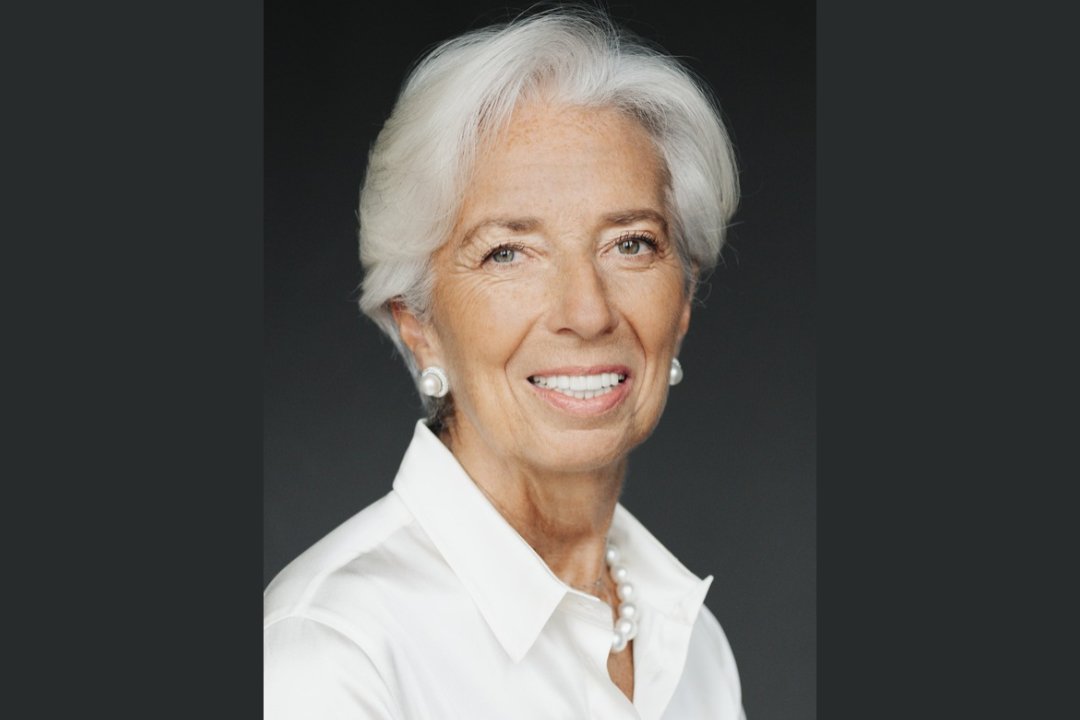

European Central Bank (ECB) President Christine Lagarde has informed European Council President António Costa of her intention to step down from her position on 7 February 2027, prompting preparations for the appointment of her successor.
In a statement issued on 29 October, Costa acknowledged Lagarde’s decision and praised her leadership of the central bank since November 2019. He said the process of appointing her successor would begin immediately, with the aim of reaching a decision in a timely manner.
Lagarde took office in November 2019, becoming the first woman to lead the ECB. Her presidency has included a series of major economic challenges, including the COVID-19 pandemic, Russia’s invasion of Ukraine, energy market disruptions and sustained inflation across the euro area.
During her tenure, the ECB raised interest rates sharply in response to rising inflation before subsequently easing monetary policy as price pressures moderated. More recently, policymakers have faced renewed inflation concerns linked to higher energy prices, alongside financial market pressures and uncertainty over economic growth.
Her planned departure comes as the ECB continues to manage these competing challenges. The bank’s monetary policy decisions influence borrowing costs, inflation and economic activity across the euro area, making the presidency one of Europe’s most significant financial leadership positions.
The announcement also brings forward the process of selecting the next head of the institution. Under European Union rules, the European Council appoints the ECB president following consultation with the European Parliament and the ECB’s Governing Council.
Lagarde previously served as managing director of the International Monetary Fund from 2011 to 2019. Before that, she was France’s finance minister and held several senior government positions. Earlier in her career, she worked as a lawyer and became chair of the international law firm Baker McKenzie.
Her professional career has spanned international finance, government and central banking. At the ECB, she has represented the institution during a period marked by significant economic uncertainty and changes in monetary policy.
The appointment of her successor is expected to be closely watched by financial markets and European policymakers as the institution continues to address inflation, economic growth and financial stability.