
Malama Health has raised $9.2 million in seed funding to scale its doula-led care platform for women insured by Medicaid. The investment round was led by Acumen America with contributions from Wisdom Ventures, Capital F and Coyote Ventures. Alongside private investment, the startup received federal and state grants including a $2.3 million NIH grant. The company provides a coordinated operating platform that links community doulas, health plans and clinical systems to manage high-risk pregnancies.
The US maternal healthcare system often leaves women without support between standard appointments. Research indicates that labour and delivery nurses can only dedicate 6-10% of their time to direct labour support. Malama aims to fill this void through its Doula-Care Navigators. These employed workers attend births, conduct home visits and monitor patients for a full year postpartum. According to data from 2,500 women, the company has seen a 6% drop in NICU admissions and a 9% reduction in C-section rates.
“Health equity in maternal care requires trust,” said Veenu Aulakh, Director at Acumen America. “Through its Doula-Care Navigators, Malama has earned that trust in communities that have been failed by the healthcare system for generations, and the outcomes data show what’s possible when you build care around women rather than around appointments.”
The platform is designed to be accessible, featuring educational content at a fifth-grade literacy level and bilingual support. When navigators identify risks such as abnormal glucose readings or symptoms of depression, they escalate the data to clinicians in real time. A trial at Tufts Medical Center showed that women using Malama were 40% less likely to develop postpartum diabetes. This evidence-based approach has allowed the firm to partner with more than 10 insurance providers and 600 clinics nationwide.
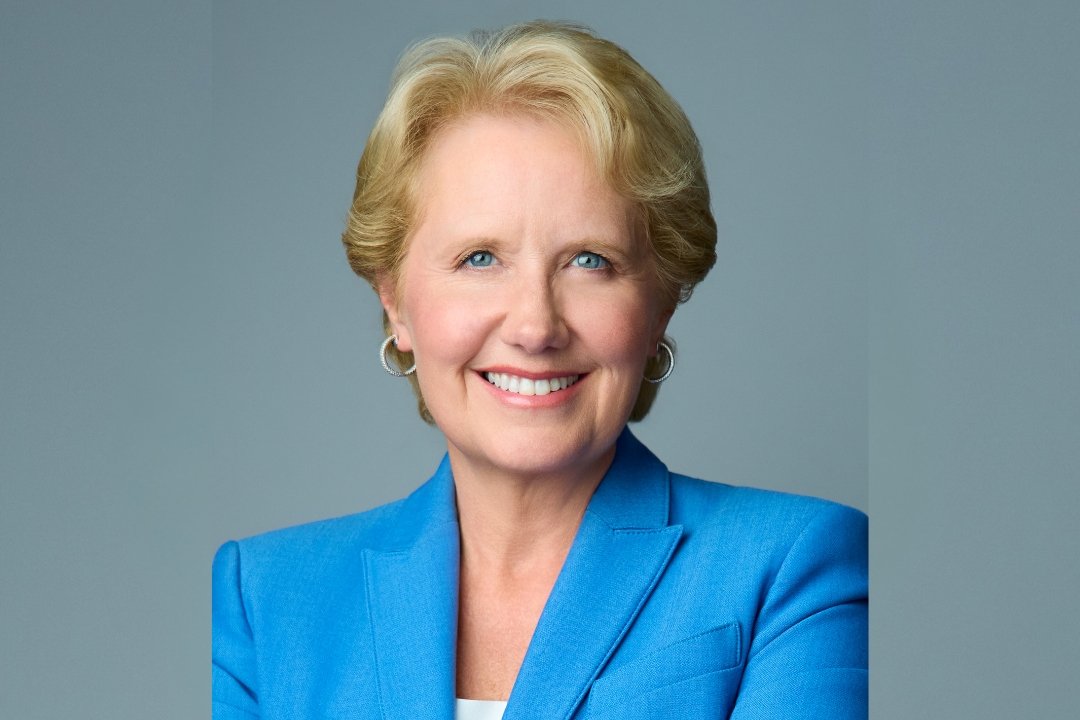
Mika Eddy, Co-Founder and CEO of Malama Health, stated: “Building Malama has meant building an infrastructure the healthcare system did not already have. An employed workforce. Health plan contracts. Clinical escalation protocols. Trust with communities that have every reason to distrust the healthcare system.” She added that the funding allows the firm to build a system that does not abandon women after hospital discharge. The startup will now focus on growing its workforce and deepening integration with managed care organisations.