Business leaders from across the Asia-Pacific region have renewed commitments to accelerating gender equality, following two days of discussions at the 2025 UN Women Asia-Pacific Women’s Empowerment Principles (WEPs) Forum. The event, held on 18–19 November, brought together more than 200 participants from 15 countries, including executives, entrepreneurs, policymakers and investors, all focused on translating equality pledges into practical action.
Centred on the theme “Business. Innovation. Impact.”, the forum was organised by UN Women and backed by two major regional initiatives funded by the Australian Government’s Department of Foreign Affairs and Trade: the Gender Action Lab and WE RISE Together. Additional support came from the International Finance Corporation (IFC) and Talent Corporation Malaysia Berhad.
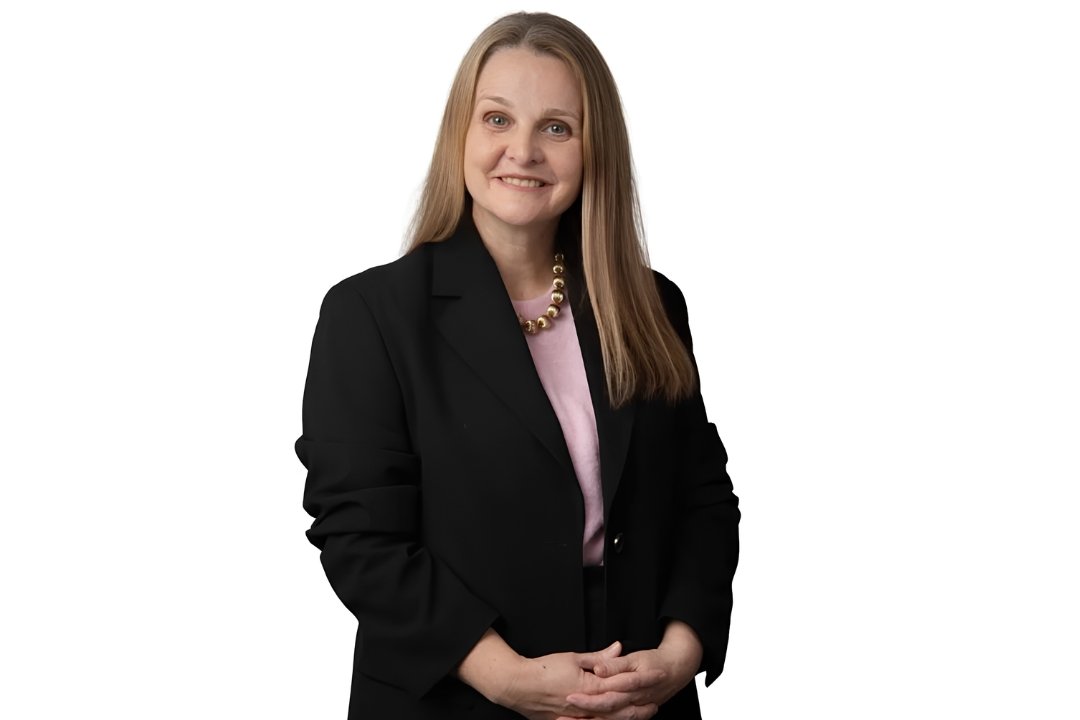
“The 2025 Asia-Pacific WEPs Forum brought together remarkable leaders and innovators committed to advancing gender equality in the workplace, marketplace and communities,” said Danielle Heinecke, Australian High Commissioner to Malaysia. “Australia is proud to support the Women’s Empowerment Principles across the region through targeted programmes. Together we are shaping economic systems that work for women – in all their diversity – and the progress showcased at this year’s Forum give us great confidence for what we can achieve together.”
Across the region, more than 3,000 companies have now committed to the Women’s Empowerment Principles, created by UN Women and the United Nations Global Compact to guide employers on improving conditions for women. Despite progress, inequalities remain persistent, with labour force participation for women plateauing and gaps evident in workplaces, marketplaces and capital markets.
During the forum, attendees examined a number of key themes shaping the future of gender equality in the private sector.
One major area of focus was the impact of megatrends, such as artificial intelligence, shifting demographics and green transitions, on women’s participation in the labour market. “Business, innovation and impact are no longer separate conversations,” said Katja Freiwald, UN Women’s Regional Lead for Women’s Economic Empowerment in Asia and the Pacific. “Across Asia, business leaders are showing what real progress looks like, using innovation to advance women’s empowerment and gender equality. This is where the region’s strength lies — turning equality into an engine for inclusive and sustainable growth.”
Participants also discussed the growing emphasis on family-friendly workplace policies, inclusive leadership models and more holistic approaches to employment. Several sessions highlighted ongoing pilots under the Women’s Empowerment Principles Corporate Action Lab, part of UN Women’s Gender Action Lab. In Malaysia, TalentCorp has been collaborating with 11 companies to design and scale policies around care, flexibility and leadership opportunities for women. Similar efforts are active in Indonesia, the Philippines and Cambodia.
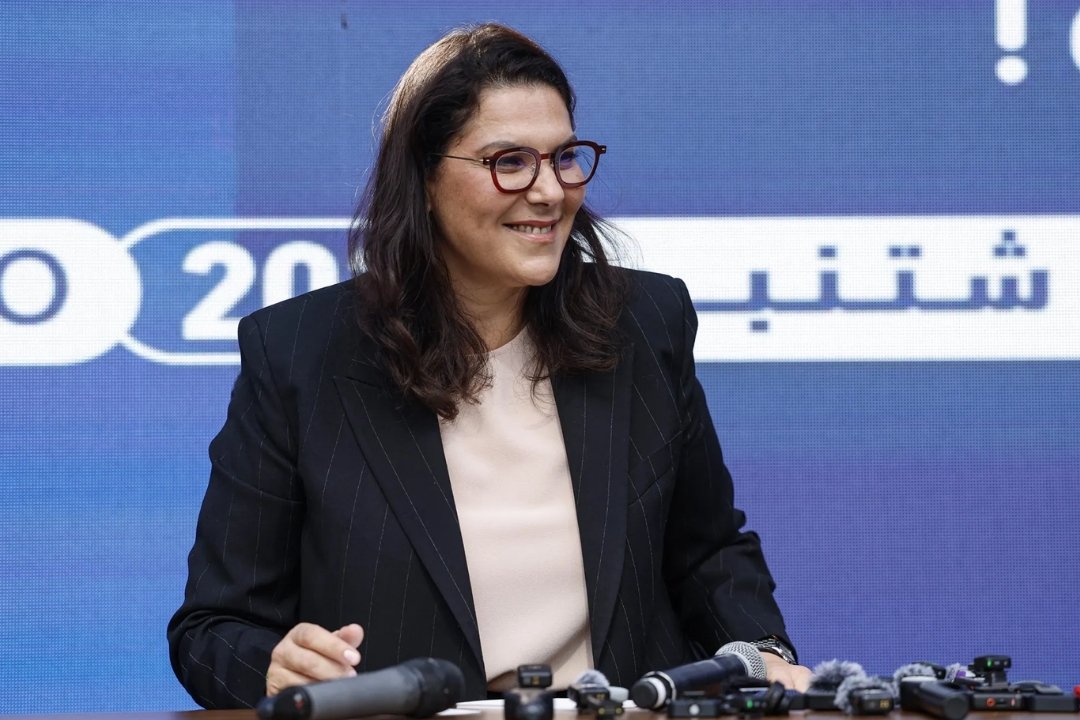
YB Wong Shu Qi, Chairperson of TalentCorp, pointed to Malaysia’s progress in expanding women’s economic participation. “This Forum reflects Malaysia’s commitment to ensuring women are equal partners in economic development. When women are empowered, families and communities grow stronger,” she said. She stressed that public–private partnerships will be vital to meeting Malaysia’s 2030 goal of achieving 60 per cent female labour force participation, adding that supportive policies and equal opportunities remain essential.
Another section of the forum focused on strengthening women’s participation within the economies of the Mekong Subregion. Under the WE RISE Together project, representatives from Cambodia, Lao PDR, Thailand and Viet Nam came together to launch Phase II of the initiative. Delegates committed to creating more accessible procurement pathways for women-led businesses, including those run by women with disabilities. The project aims to enhance both public and private procurement opportunities, while ensuring women-owned enterprises are better positioned to compete and grow through inclusive procurement ecosystems.
The forum also marked the launch of the Asia-Pacific Sustainable Finance Systems Lab, a collaboration between UN Women, IFC, the Sustainable Stock Exchange Initiative and the World Federation of Exchanges. This new platform is designed to bring together stock exchanges and regulatory bodies to speed up efforts toward more gender-responsive and inclusive capital markets.
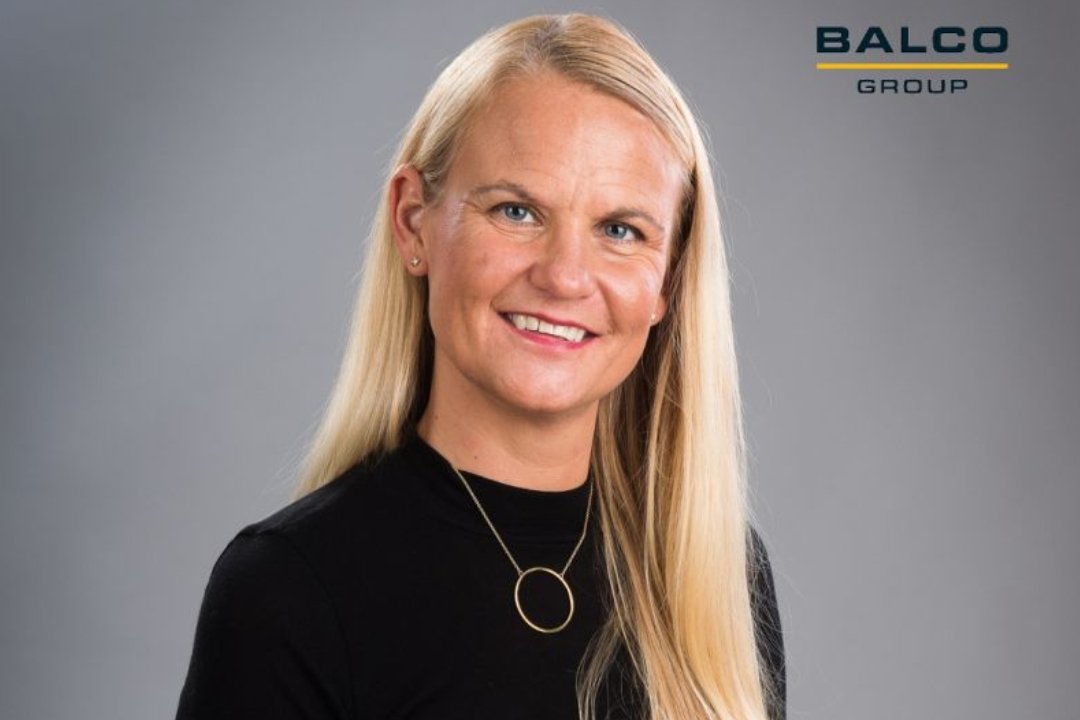
Judith Green, World Bank Group Country Manager for Malaysia, highlighted the need for systemic change within financial markets. “Women still face barriers that prevent them from unlocking their full economic potential,” she said. “This is a missed opportunity, and stock exchanges can drive change in a way that few others can. They influence markets, they connect policymakers, investors, and businesses to support sustainable development practices, and they play a critical role in rallying the private sector to increase women’s participation in business, which is essential to fostering more prosperous societies.”
By the conclusion of the forum, participants had reaffirmed their commitment to scaling active measures on gender equality across the region’s private sector. With companies, governments and financial actors working collectively, the event signalled a renewed push to ensure women are fully able to participate in the region’s economic transformation.