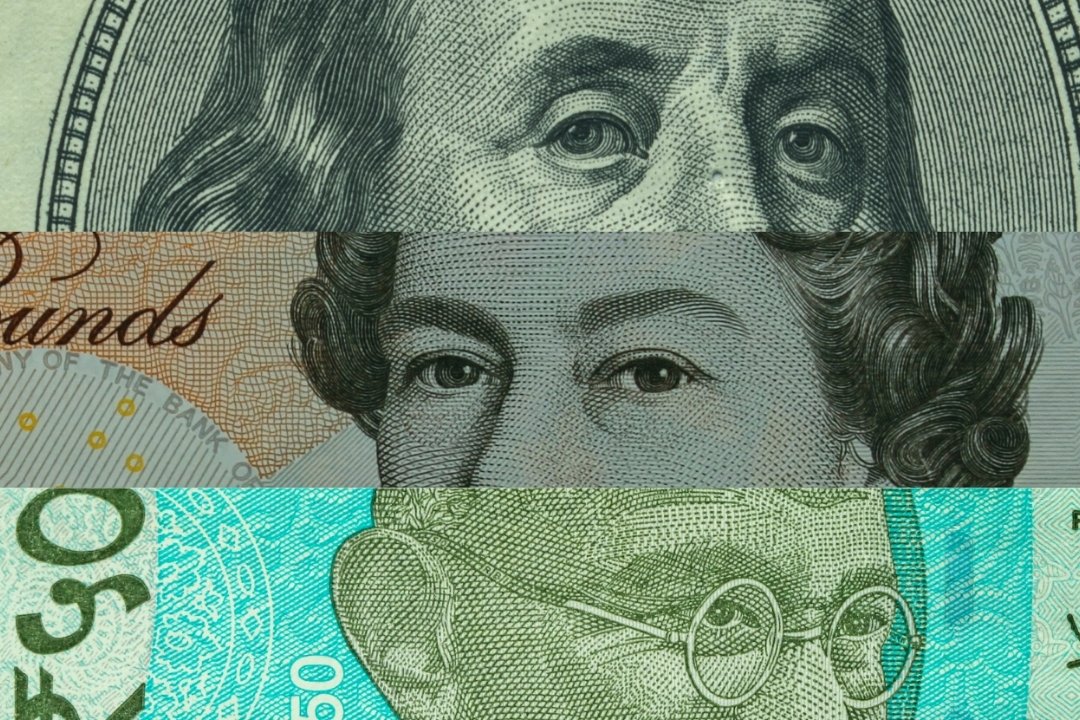

As 2026 begins, the first quarter of the twenty-first century has formally closed. This is not a symbolic milestone but a strategic inflection point. Over the past 25 years, the global economy has absorbed repeated shocks, from the 2008 financial crisis to the pandemic, Brexit, sustained inflation cycles and the rapid digitisation of financial systems. The global GDP is estimated at USD117.2 trillion in 2025, up from USD111.1 trillion in 2024. The past year was also announced to be record-breaking in terms of global trade, with the value reaching approximately USD35 trillion. These shifts have fundamentally altered how capital moves, how risk is priced and how economic power is exercised.
One conclusion is now difficult to ignore: global finance is neither stable nor evenly balanced. Currency strength sits at the centre of this reality as a strategic variable that affects boardroom decisions, investment returns and long-term competitiveness.
Currency strength is often treated as a background condition. In practice, it is the outcome of a constant negotiation between domestic policy, global demand, market confidence and geopolitical alignment. It is best understood through three lenses. The first is value: the purchasing power of a currency relative to others. The second is utility: the extent to which it is used beyond national borders for trade, borrowing and pricing. The third is reserve status: whether central banks are willing to hold it as a store of value. Businesses strongly aligned with how these dimensions interact are better placed to assess exposure, manage risk and allocate capital with intent.
Global currencies with the highest values
Measured purely by exchange rate value, the world’s highest-valued currencies include the Kuwaiti Dinar (KWD), Bahraini Dinar (BHD), Omani Rial (OMR), Jordanian Dinar (JOD), British Pound Sterling (GBP), Gibraltar Pound (GIP), Falkland Islands Pound (FKP), Swiss Franc (CHF), Cayman Islands Dollar (KYD), Euro (EUR) and the US Dollar (USD). Many of these currencies maintain their strength through controlled monetary policies, resource backed economies, and structured pegs to stronger currencies or baskets of currencies.
Exchange rates move in response to interest rates, inflation, political stability and economic performance, often with speed and little warning. For businesses, these movements translate into pricing pressure, investment risk and changes in competitiveness across markets.
Among these currencies, the Kuwaiti Dinar stands out. As of October 2025, the Kuwaiti Dinar (KWD) trades at around KWD1 to USD3.26-3.27. It has retained its position as the world’s highest-valued currency despite inflationary pressures and volatile energy markets. This is not accidental. It reflects a series of deliberate policy choices.
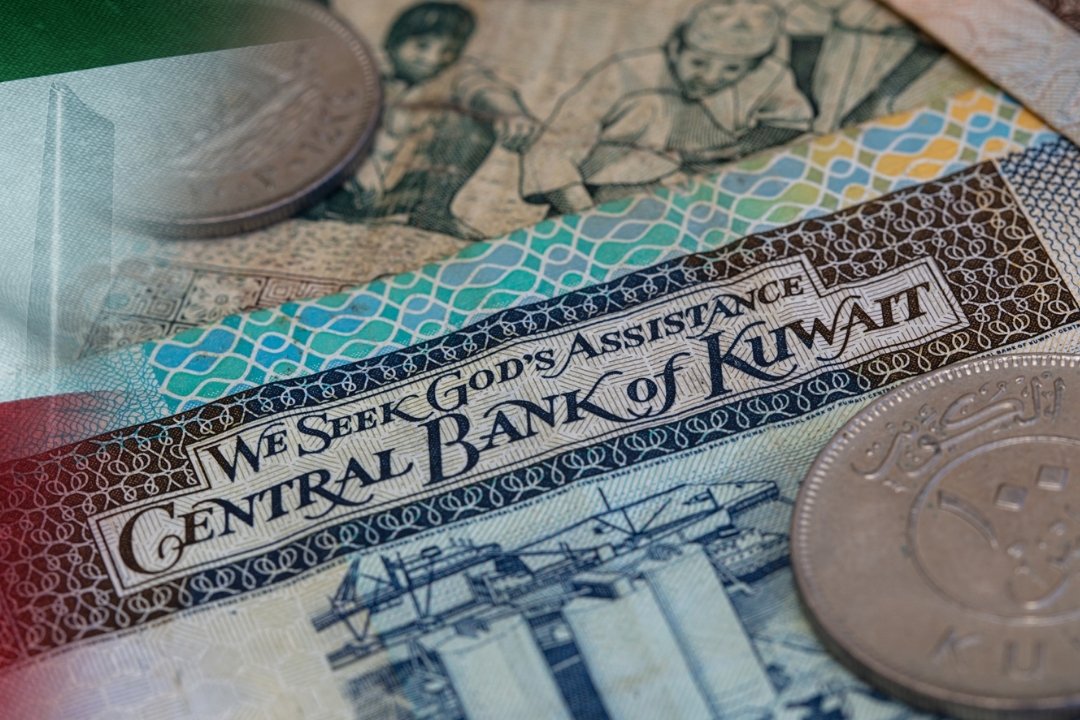
What makes the KWD so high performing?
Oil and hydrocarbon centred economy
Kuwait’s economy remains closely tied to hydrocarbons. The country holds a significant share of global oil reserves, at an estimated 6% to 7% of global proven oil reserves and producing roughly 2.7 million barrels per day. Kuwait holds Oil accounts for more than 92% of government revenue. This provides a steady inflow of foreign currency and underpins fiscal strength. Low public debt and high income per capita further support confidence.
Economic diversification
What distinguishes Kuwait, however, is not resource wealth alone. The state has invested consistently in financial buffers, infrastructure and institutional stability. Efforts to diversify into finance, logistics and services have not eliminated reliance on oil, but they have reduced vulnerability to short-term shocks.
Regional significance
The KWD’s regional role also matters. Within the Gulf, it is widely used for high-value transactions, reserves and remittances. This reinforces demand and embeds the currency in regional financial activity.
Conducive business and investment environment
Kuwait’s business environment plays a part. A low-tax regime, increasing foreign investment and the long-term New Kuwait 2035 agenda signal continuity and intent.
Major ongoing projects include Silk City, the Kuwait Metro and port modernisation schemes, along with digital transformation plans across government services. These initiatives are strengthening Kuwait’s position as a commercial centre in the northern Gulf. They also contribute to long-term confidence in the KWD by improving economic resilience beyond the oil sector.
Political and economic stability
Kuwait’s neutrality in the regional politics of the middle east and its conservative outlook to financial policy have been credited for the currency’s stability and high-performance.
Kuwait has maintained internal stability and a measured diplomatic stance, including within the Gulf Cooperation Council. According to the World Bank’s 2025 governance indicators, Kuwait ranks among the strongest GCC performers in political stability and government effectiveness. This stability feeds directly into confidence in the KWD. The country’s conservative financial strategy also maintains sustained global confidence in the KWD.
Currency Pegging
Perhaps most significant is Kuwait’s decision to peg its currency to a basket of major currencies rather than to the USD alone. This approach provides stability while retaining flexibility when the USD moves sharply. It also gives the central bank greater room to protect competitiveness and manage external pressures. Substantial foreign exchange reserves strengthen its ability to defend this position when required. Since 2007, Kuwait has pegged its currency to a basket of major currencies that includes the USD, Euro, Yen and others weighted according to trade exposure.
More than 66 countries are currently pegged to the USD. Kuwait’s diversified approach gives it an added layer of resilience. The Central Bank of Kuwait’s reserves, estimated at more than USD 45 billion, strengthen its capacity to maintain the peg in periods of pressure.
Controlled inflation
Inflation in Kuwait has remained relatively moderate, averaging between 2.3% and 2.4% throughout 2025. Inflation control completes the picture. Price stability, supported by subsidies and measured interest rate policy, protects purchasing power at home while maintaining external credibility.
Other high value currencies
Following the Kuwaiti Dinar are the Bahraini Dinar, Omani Rial, Jordanian Dinar and British Pound, with the following approximate values against the USD: BHD at USD 2.65, OMR at USD 2.60, JOD at USD 1.41 and GBP at USD 1.35.
The BHD, OMR and JOD are closely tied to the Middle Eastern economic landscape and remain relatively stable against the USD. Bahrain and Oman are heavily reliant on oil and natural resources, while Jordan’s economy operates with limited natural endowments. Jordan’s currency strength is largely attributed to economic stability, a government-backed currency peg and sustained inflows of foreign aid.
The GBP is the only non-Middle Eastern currency to rank within the global top five by nominal value. It is also the oldest currency still in continuous circulation. Beyond its exchange rate, sterling remains highly influential in global trade and finance. It is the fourth most used currency worldwide in both reserves and circulation and forms part of the International Monetary Fund’s Special Drawing Rights basket.
GBP is also the world’s fourth most actively traded currency, after the USD, euro and Japanese yen. Its continued prominence reflects a long historical legacy, rooted in Britain’s central role in global trade and finance during the nineteenth and early twentieth centuries, when the country operated as one of the world’s primary banking hubs.
Besides the nominal value of a currency, their strengths are also measured on the basis of a currency’s global influence and its reserve status. On those lines, the USD has held a strong position in the global economy, despite its nominal value ranking 11th globally.
 The US Dollar’s global position
 The US Dollar’s global position
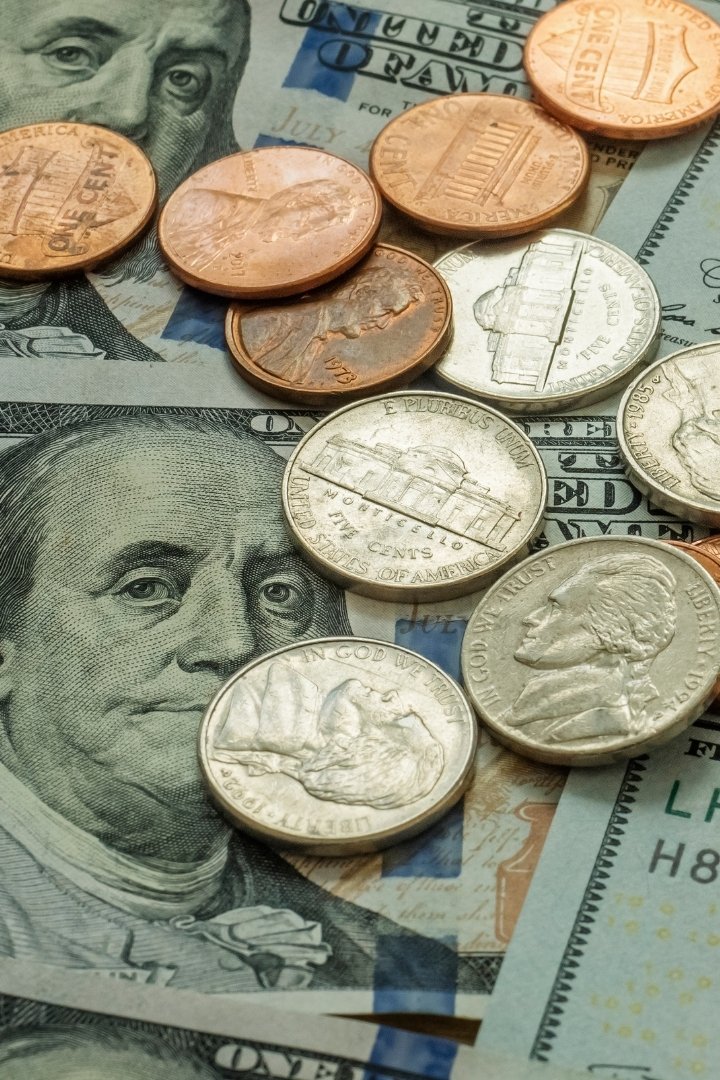
The USD remains influential in the global system. It underpins international trade, dominates foreign exchange markets and continues to act as a default safe haven in periods of uncertainty. Around 60% of global central bank reserves, 40% of global debt, 90% of foreign exchange transactions and about 80% of global trade flows are denominated in USD. For multinational firms, this creates liquidity and predictability. For the global system, it creates concentration risk.
Reliance on a singular currency carries strategic consequences. Many governments and corporations outside the United States borrow in USD while earning revenue in local currencies. When the USD strengthens, debt servicing costs rise immediately, often without any improvement in underlying economic performance. For boards with exposure to emerging markets, this dynamic raises questions about funding structures, currency mismatches and resilience under stress.
At the same time, geopolitical realignment and the growing economic weight of non-Western economies have intensified debate around diversification. While alternatives are being discussed, the reality remains clear: the USD is not on the verge of displacement. For decision-makers, the issue is not whether the USD will lose its status, but how dependence on it should be managed more deliberately.
What this means for the global economy sector
The contrast between the USD and the KWD’s strengths highlights a broader lesson. Currency power does not come from size alone. It is shaped by policy discipline, institutional credibility and strategic choices made over decades.
Many other currencies continue to hold their unique presence and power at the international forum. For instance, the GBP continues to be a core component of the IMF’s Special Drawing Rights basket and a key settlement currency for global financial markets. London continues to host the world’s largest international foreign exchange market, accounting for more than 37.8% of global FX trading volumes.
For the finance and business sectors, currency exposure should no longer be treated as a technical matter left to treasury teams. It influences funding costs, acquisition timing, supply chain resilience and market entry decisions. In an environment where geopolitical alignment and economic policy are increasingly intertwined, passive exposure carries real cost.
As the next phase of the century unfolds, currency dynamics will continue to evolve. Businesses that recognise currency strength as a strategic asset will be better equipped to navigate uncertainty, protect value and make decisions that stand up over time.