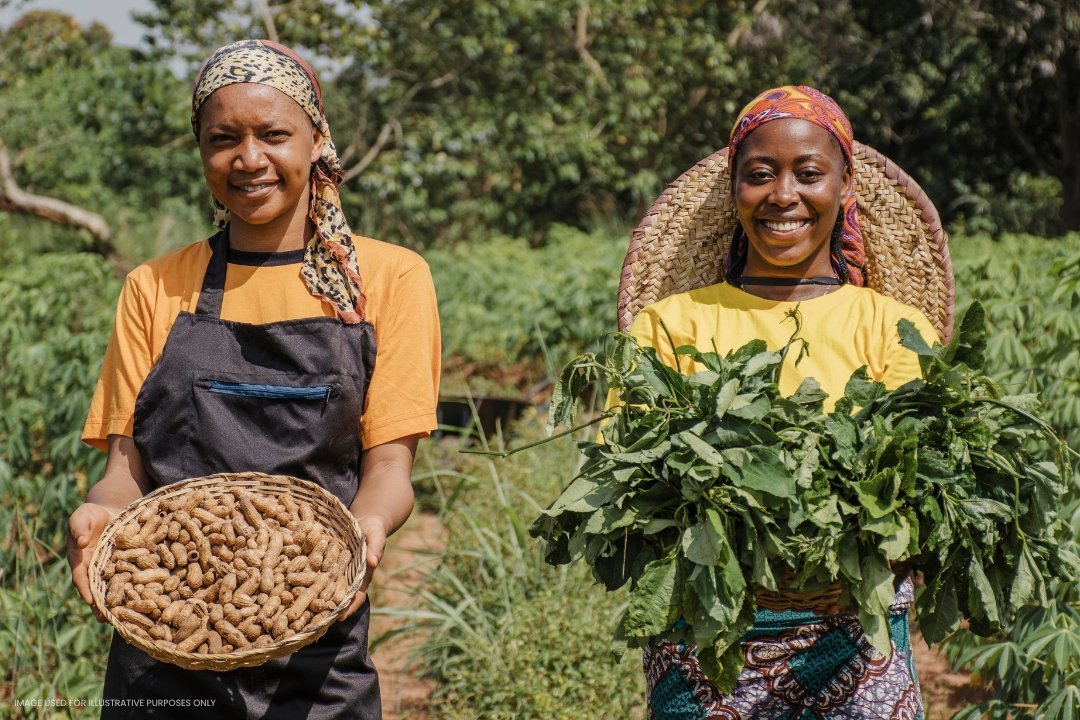

West African nations have reaffirmed their commitment to strengthening women’s empowerment across agrifood systems, recognising the significant disparities that continue to hold back progress in the region. Although women drive much of the innovation and day-to-day labour that keeps these systems functioning, they still struggle to access and control essential resources at the same level as men. These inequalities remain a major obstacle to ending hunger and poverty in sub-Saharan Africa, where more than 307 million people faced hunger in 2024.
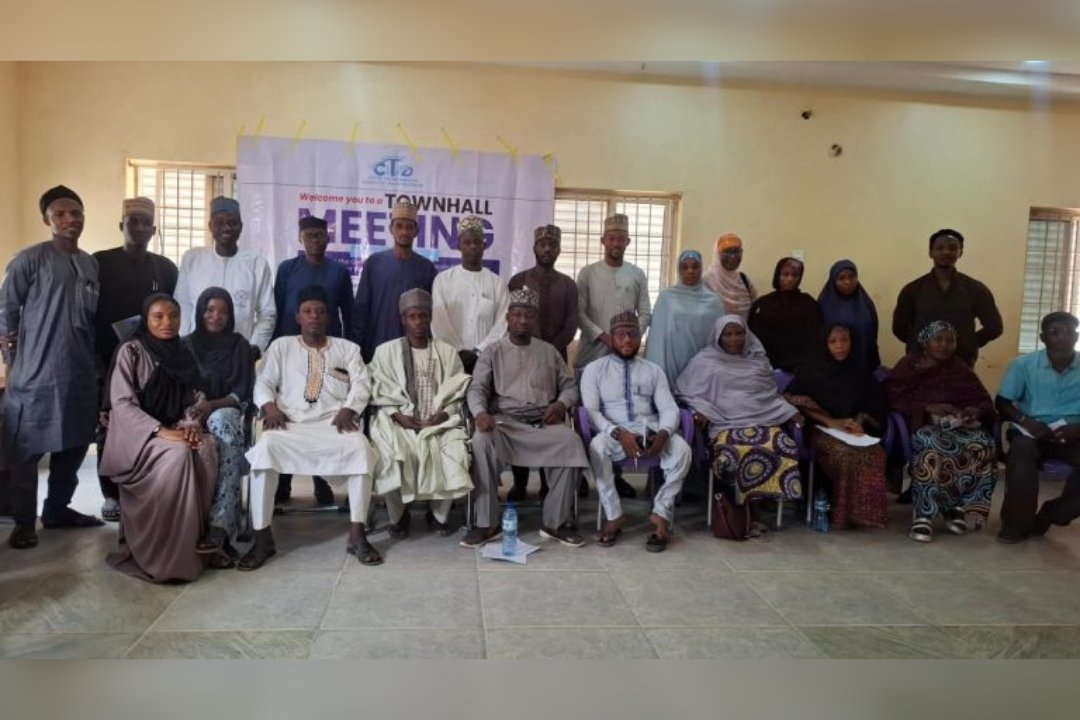
With these challenges in mind, government officials, civil society representatives and farmer groups from Ghana, Liberia, Nigeria and Sierra Leone met in Accra, Ghana, to examine how to put the Committee on World Food Security (CFS) Voluntary Guidelines on Gender Equality and Women’s and Girls’ Empowerment (VG-GEWGE) into practice. The workshop was organised by the Food and Agriculture Organization of the United Nations (FAO) as part of an ongoing effort to translate the guidelines into concrete national action.
Across two days, senior policymakers and technical officers worked together to identify practical starting points for implementing recommendations agreed by more than 130 CFS members. These recommendations include approaches to better meet the nutrition and food security needs of women and girls and ways to address unpaid care and domestic work by recognising it, reducing its burden and ensuring it is more fairly shared.
During the opening session, Abebe Haile-Gabriel, FAO Assistant Director-General and Regional Representative for Africa, emphasised the scale of change required. “The simple truth is this: there is no pathway to efficient, inclusive, resilient and sustainable agrifood systems without gender equality and the empowerment of women and girls,” he said. “Empowering women is therefore not merely a social objective – it is also a powerful economic strategy and a prerequisite for Africa’s agrifood systems transformation agenda.”
Participants then took part in detailed discussions to familiarise themselves with the guidelines’ principles and examine how they could be adapted to national contexts. There was clear consensus on the need to begin with awareness-raising efforts. Government ministries committed to reviewing agricultural and gender policies to identify areas where the guidelines could slot into existing frameworks. Civil society groups pointed to community radio as a useful channel for reaching local audiences, while private-sector representatives suggested evaluating company programmes to ensure alignment with the recommendations.
By the close of the workshop, delegates reported a stronger shared resolve to integrate the guidelines into both national policy structures and day-to-day implementation.
The Accra event marks the first in a planned series of regional initiatives under the Programme for the Dissemination and Uptake of the VG-GEWGE. The programme, supported by the Swiss Agency for Development and Cooperation (SDC), Global Affairs Canada and the German Federal Ministry of Food and Agriculture, forms part of FAO’s wider pledge to roll out the guidelines in at least 10 countries by 2026. This commitment was announced by FAO Director-General Qu Dong-Yu during the 2024 United Nations General Assembly as part of the Commit to Grow Equality initiative.
FAO says it will continue working with regional and local partners dedicated to promoting gender equality as a route to improving global food security. The message behind the initiative remains straightforward: when women are given the tools and opportunities to succeed, communities become more resilient, and rates of hunger and poverty fall.