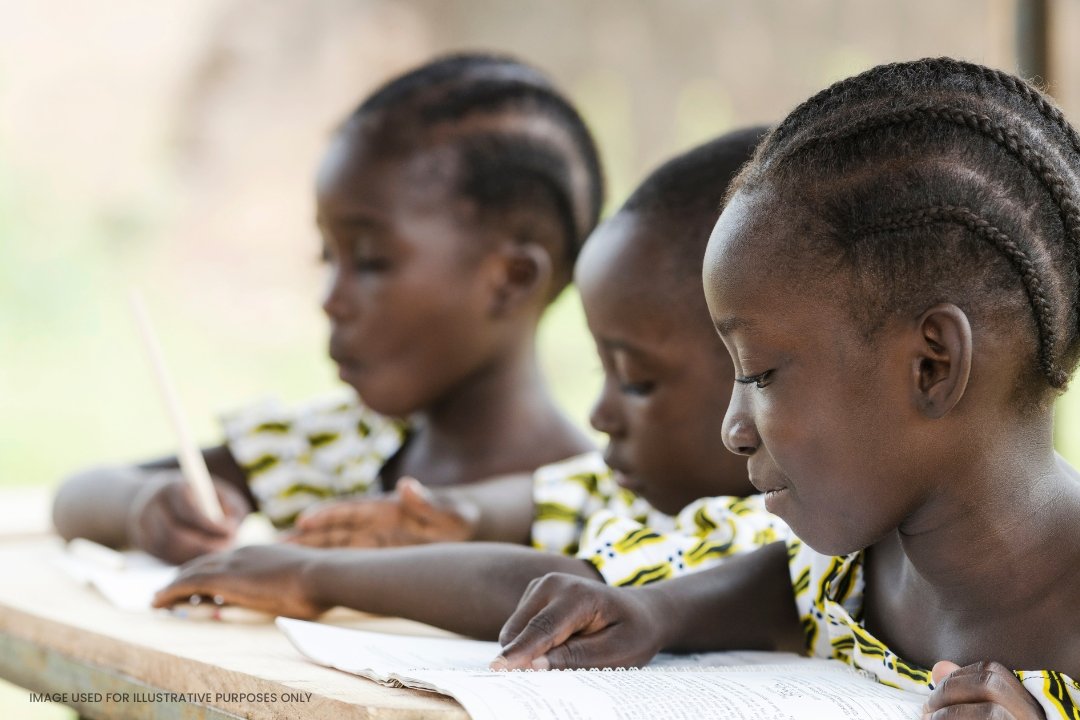

Zimbabwe must make urgent investments in the rights, education, and safety of girls to ensure gender equality is achieved for future generations, the United Nations Working Group on discrimination against women and girls said last week.
The call came at the conclusion of the group’s official visit to the country, during which it praised Zimbabwe’s constitutional pledge to gender equality and welcomed recent legislative and programme-based efforts to advance women’s and girls’ rights.
“Despite the Government’s efforts, persistent discrimination and entrenched patriarchal norms continue to deny girls their fundamental rights and limit their future opportunities,” the Working Group said.
“As one interlocutor told the Working Group during our visit, in Zimbabwe, gender equality is not a choice, it is a constitutional obligation,” the experts said. “Zimbabwe must actively confront and eradicate patriarchal attitudes that undervalue girls, creating a society which nurtures their potential as future leaders, innovators and changemakers.”
The experts voiced concern over high rates of child marriage and teenage pregnancy. Official figures show that 1.4 million women were married before turning 18, while 241,000 married before 15. The Marriages Act (2022) sets 18 as the legal minimum age and criminalises child marriage, yet no prosecutions have taken place.
Teenage pregnancy remains high at 23%, with nearly 43% of adolescents becoming sexually active before 18. Many girls seeking sexual and reproductive health services face stigma, confusion over parental consent, and poor access to youth-friendly facilities. In many cases, pregnancy forces them to leave school, undermining their independence and long-term prospects.
The Working Group urged the government to expand and fund programmes specifically aimed at supporting girls from rural and low-income communities, as well as those who are married, pregnant, or otherwise marginalised. They also called for stronger action to challenge cultural norms within families and communities that undervalue girls’ education.
Progress was acknowledged in areas such as maternal mortality reduction and the rollout of national strategies on gender-based violence (GBV), with better access to reproductive health services and legal aid in some regions. However, the experts warned that “child sexual abuse remains a serious concern, with girls left behind by migrant worker parents, unaccompanied minors, girls with disabilities, orphaned girls, and girls belonging to religious sects being particularly vulnerable.”
They added that online spaces are increasingly unsafe for women and girls, with rising cases of cyberbullying, revenge pornography, victim-blaming, and gender-based disinformation, despite existing legislation.
In some provinces, they said GBV risks are made worse by a growing drug and substance abuse crisis among young men. The Working Group urged the government to strengthen anti-GBV awareness campaigns, train law enforcement and judiciary staff in trauma-informed approaches, and ensure cases are prosecuted swiftly.
“The Government should adequately resource shelters and One-Stop Centres, which are essential services and a core State responsibility,” they said.
The group will present its full report to the UN Human Rights Council in June 2026.