
Schneider Electric has reported major progress across the Middle East and Africa as its global 2021–2025 Schneider Sustainability Impact (SSI) programme nears completion. The company said its initiatives have expanded clean energy access, supported decarbonisation efforts and strengthened skills development in countries across the region.
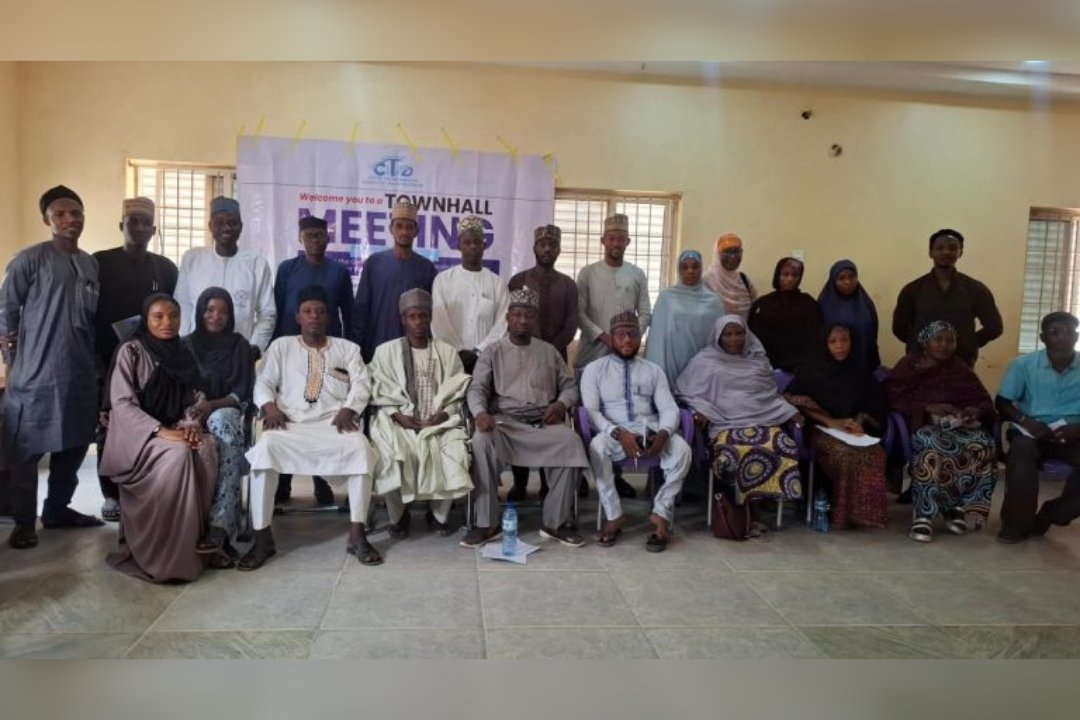
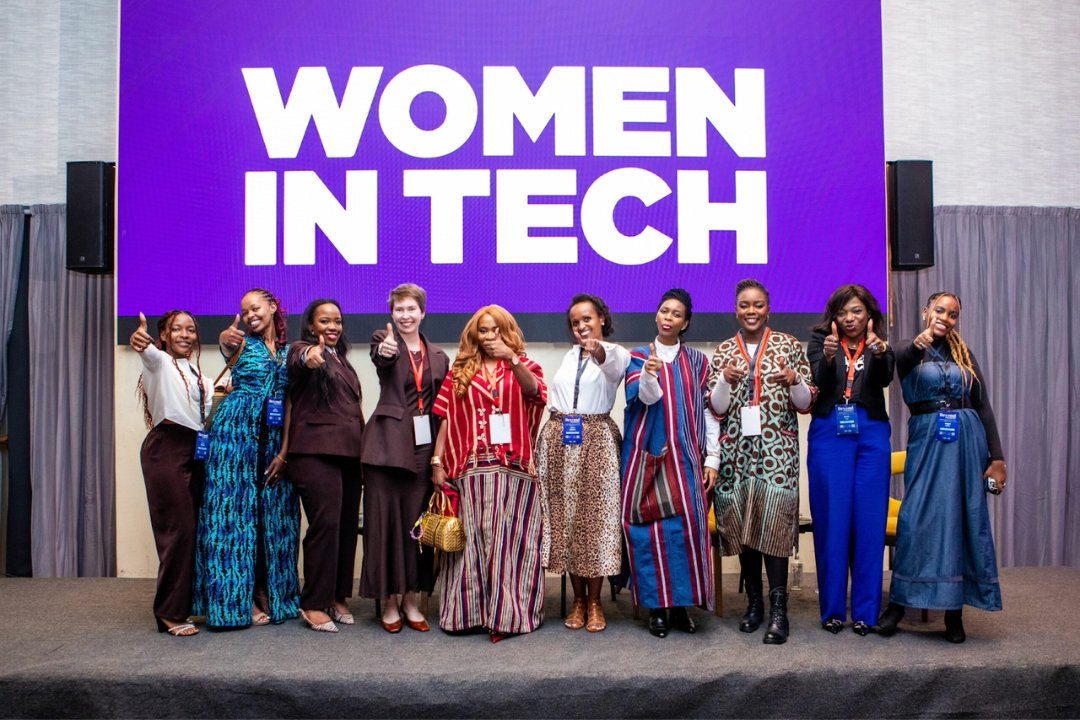
According to the latest update, more than 3.5 million people in the Middle East and Africa have gained access to clean and reliable electricity through technologies such as distributed energy systems, off-grid solutions and smart grids. The company also confirmed that 90,000 individuals in 32 countries have been trained in energy and sustainability-related skills, including over 7,200 women who received specialised training through partnerships such as the ongoing collaboration between the Schneider Electric Foundation and Plan International.
These developments follow Schneider Electric’s announcement of an 8.06/10 sustainability score for Q2 2025 and recognition by TIME and Statista as the world’s most sustainable company. The firm said its global effort has helped avoid more than 800 million tons of CO₂ and enabled energy access for 50 million people to date.
In 2024 alone, the company delivered clean energy to more than one million people across East Africa, supporting over 300 schools and clinics. Work in Egypt’s Marsa Matrouh has brought clean water and solar power to more than 5,000 residents, reducing emissions by 40 tons of CO₂ annually in partnership with Abu Dhabi Commercial Bank. Schneider Electric also reported that it has completed 90% of its transition from fossil-fuel-powered industrial trucks to electric alternatives.
Elsewhere, a full digital upgrade of Senegal’s national grid has reduced electricity recovery times from three hours to three minutes, saving 10 GWh each year – a value of around €21 million. In the Gulf, the company’s work with Chalhoub Group aims to cut Scope 3 supply chain emissions by 30% by 2032. Additionally, Schneider Electric technology is now operating the Al Galala seawater desalination plant in Egypt’s Ain Sokhna, the region’s largest, improving efficiency for millions who rely on its output.
Commenting on the progress, Walid Sheta, President of the Middle East & Africa Zone at Schneider Electric, said: “This progress is a reflection of the partnerships we’ve built and the dedication of our teams across the region. We still have a long way to go, but I’m proud of how far we’ve come in helping communities gain access to energy, supporting local industries to decarbonize, and build capabilities that will serve the region for years to come. Sustainability is not a finish line; it’s a shared journey.”
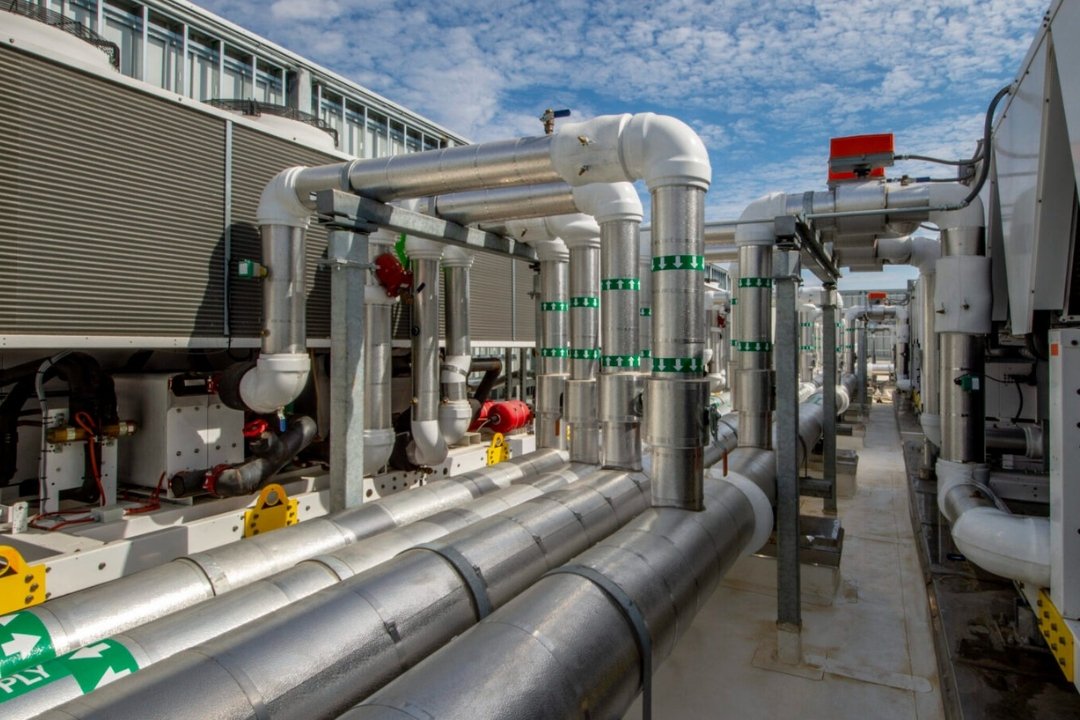
The company’s Middle East and Africa Sustainability Impact campaign continues to showcase regional projects using its EcoStruxure™ digital architecture across sectors including energy, water, healthcare, buildings, manufacturing and data centres. The programme is also expanding advisory services to support companies across the Gulf, Africa and Türkiye.