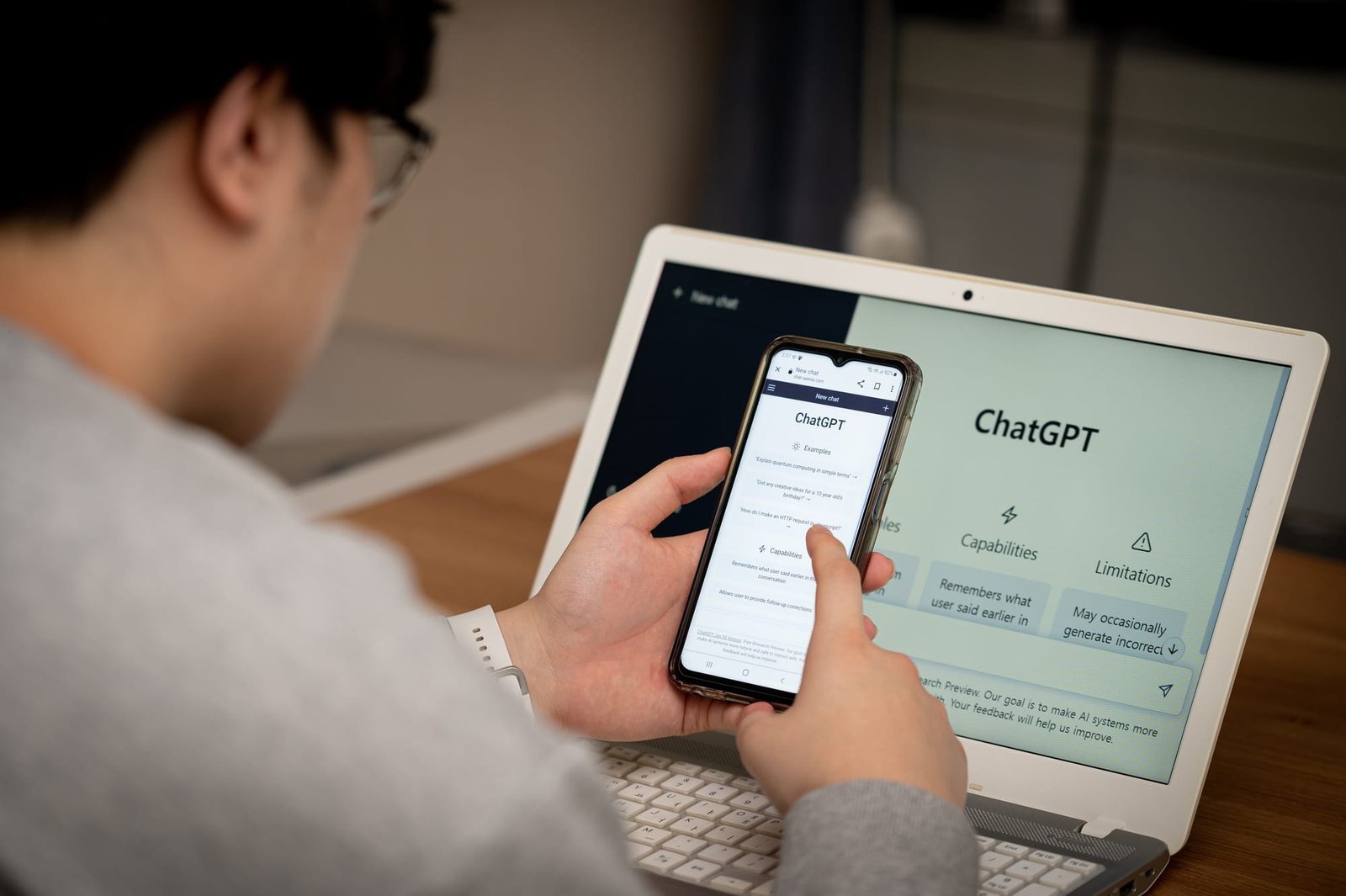

OpenAI unveiled its latest update to ChatGPT, marking its most significant upgrade since GPT-4. A standout aspect of this update is the introduction of voice communication with ChatGPT, enabling users to engage in spoken dialogues. Additionally, users can present one or multiple images to ChatGPT for tasks like problem-solving, content exploration, or intricate data analysis.
These voice and image capabilities will be progressively made available to Plus and Enterprise users during the upcoming two weeks. While voice functionality will be exclusive to the iOS and Android apps, image processing capabilities will be accessible across all platforms.
This development is part of the ongoing competition among AI chatbot leaders, including OpenAI, Microsoft, Google, and Anthropic. These tech giants are striving to promote the integration of generative AI into daily life, launching new chatbot applications and introducing innovative features, particularly this summer. Google has announced multiple updates for its Bard chatbot, while Microsoft has integrated visual search into Bing.
Earlier this year, Microsoft’s significant additional investment of $10 billion in OpenAI marked one of the largest AI investments of the year, according to PitchBook. In April, OpenAI reportedly closed a $300 million share sale, valuing the company between $27 billion and $29 billion, with investments from prominent firms like Sequoia Capital and Andreessen Horowitz.
Notably, concerns have arisen regarding AI-generated synthetic voices, which can provide users with a more natural experience but also open the door to more convincing deepfakes. Cyber threat actors and researchers have already started exploring how deepfakes could be utilized for cybersecurity breaches.
OpenAI acknowledged these concerns in its Monday announcement, assuring users that synthetic voices were created in collaboration with voice actors directly, not collected from strangers.
The release, however, offered limited details on how OpenAI intends to utilize consumer voice inputs or ensure the security of such data if used. OpenAI’s terms of service state that consumers own their inputs to the extent permitted by applicable law.