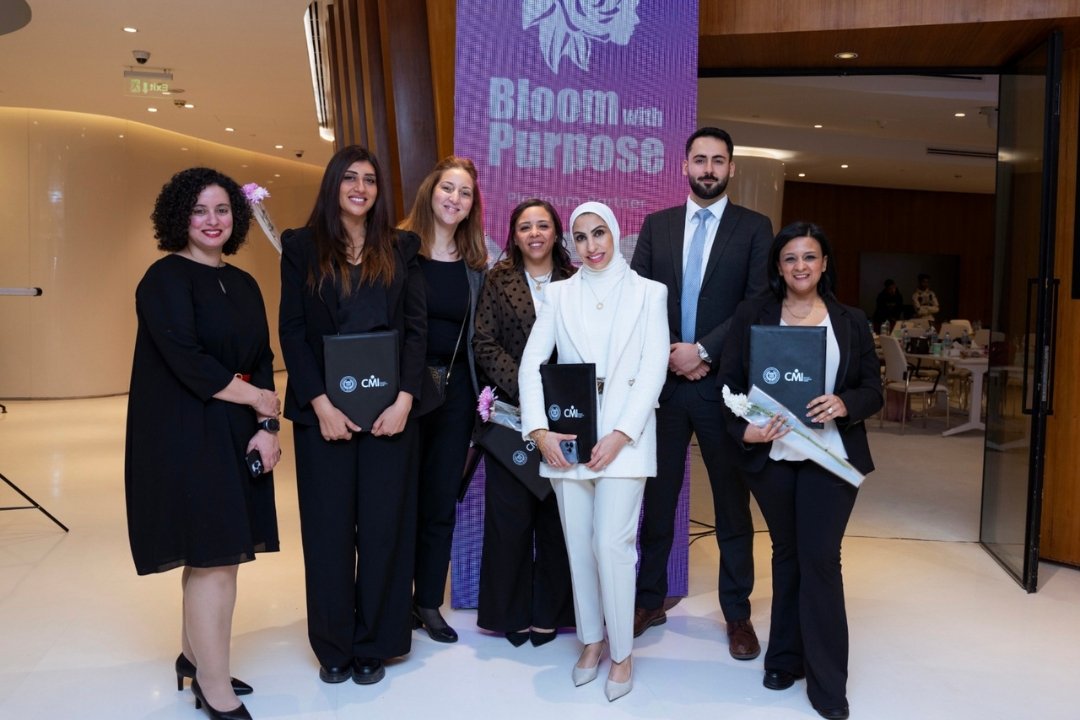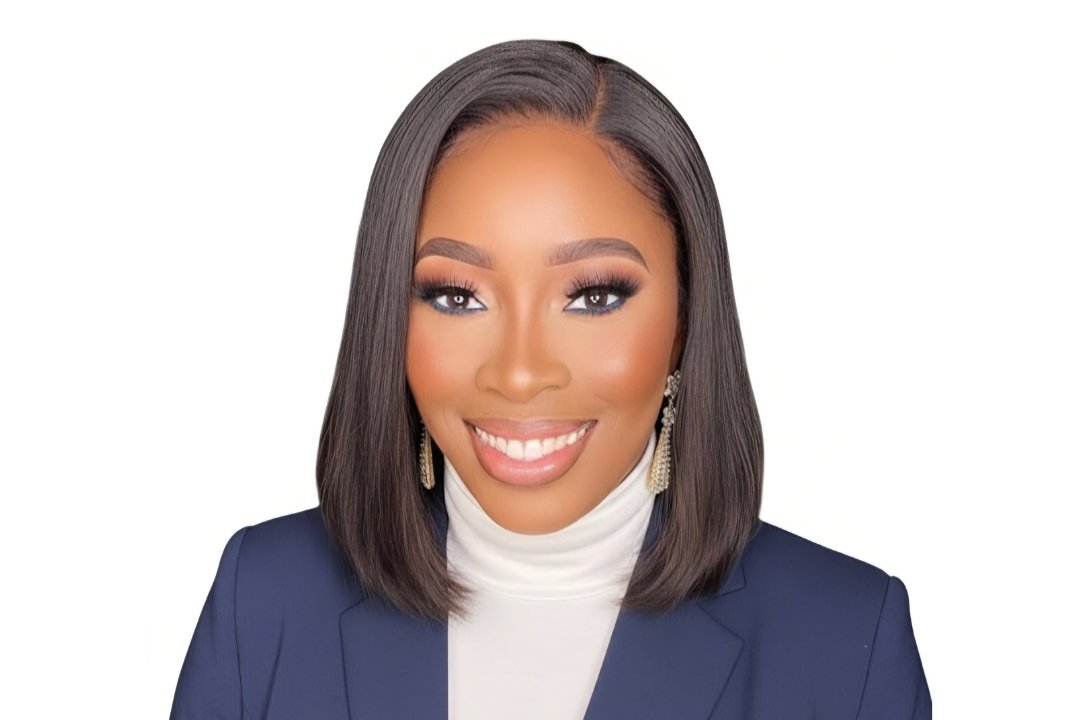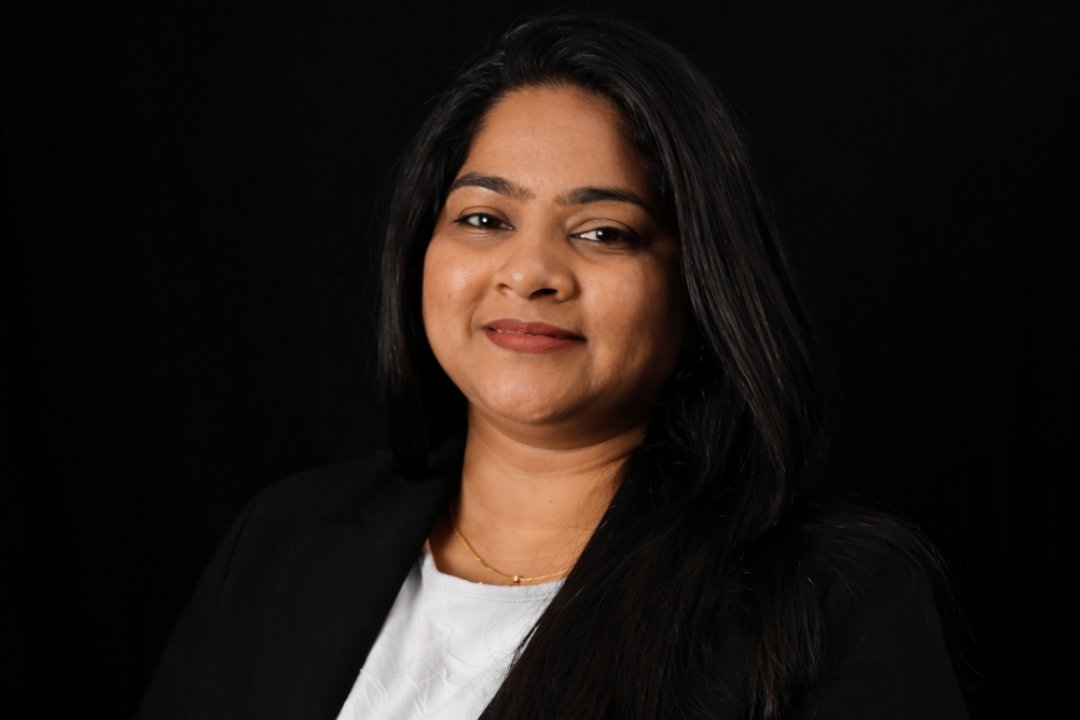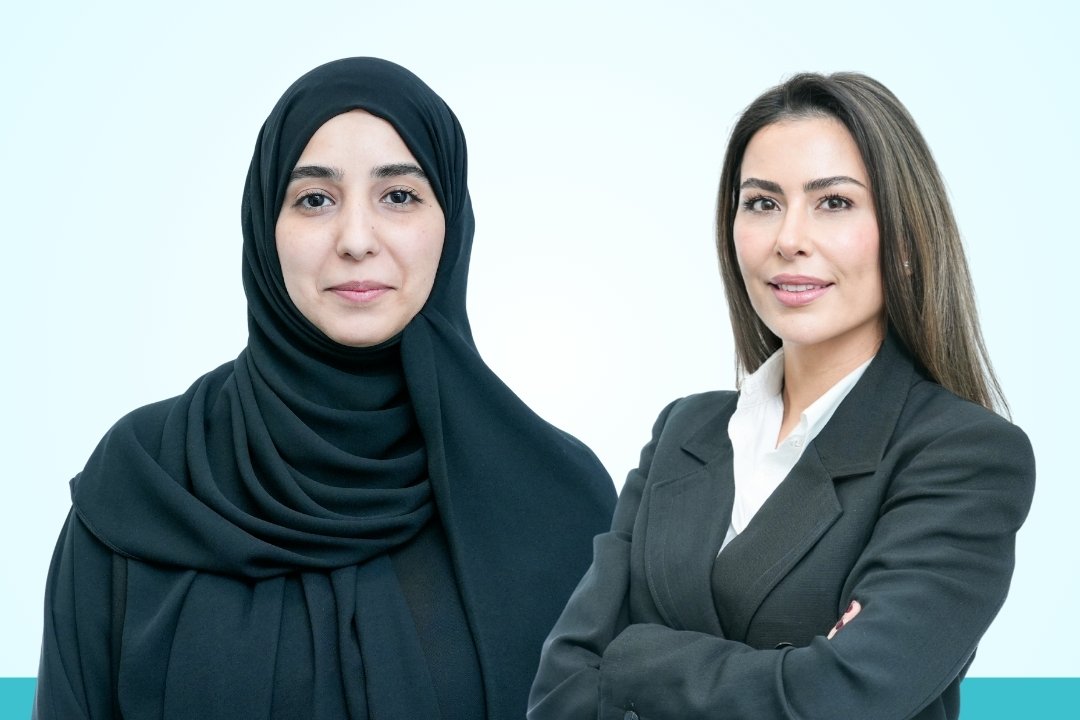

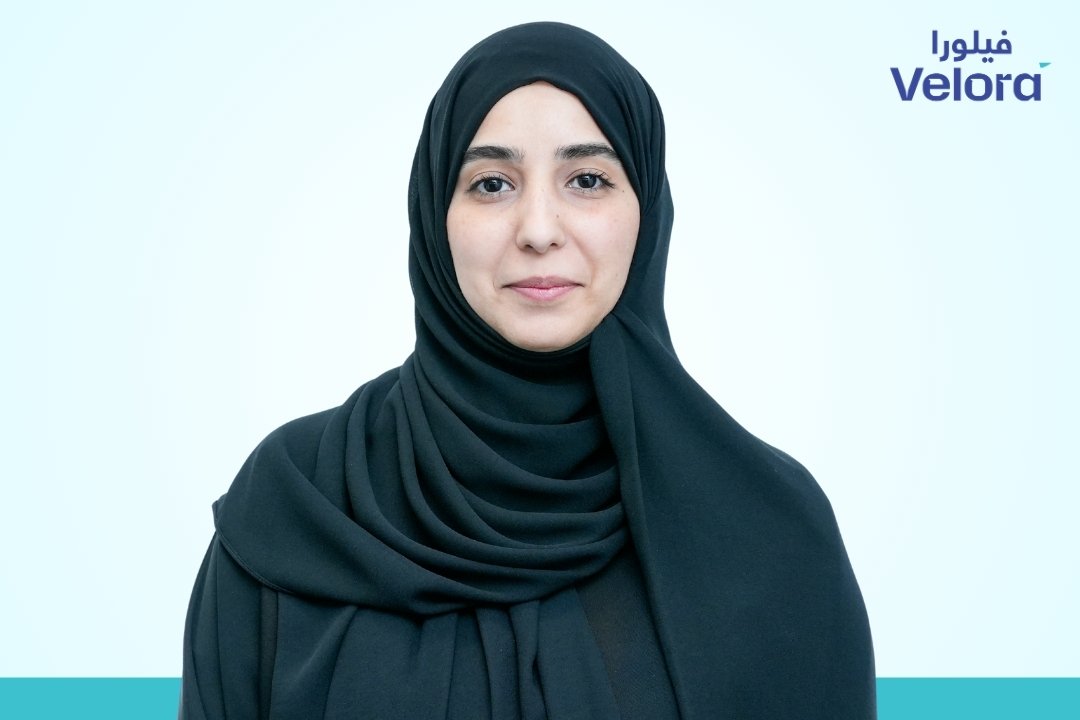
Ms. Basma Habeeb is a distinguished aviation operations leader who is the Head of Terminal Operations at Velora. She has played a pivotal role in large-scale aviation milestones, such as leading the Operational Readiness and Airport Transfer (ORAT) team for the opening of Zayed International Airport. She has been awarded the 2025 ‘Excellence in Terminal Operations Leadership – Aviation’ award by Women’s Tabloid. Her work reflects a strong commitment to safety, compliance, and seamless customer experience, supported by data-driven decision-making and robust governance. In this interview with Women’s Tabloid, Ms. Habeeb shares insights from her journey in terminal operations, the leadership principles that sustain operational excellence, speaks about navigating complexity at scale, and the legacy she hopes to leave for women in aviation and the industry as a whole.
Women’s Tabloid: What inspired you to pursue a career in terminal operations, and how did your journey lead you to become Head of Terminal Operations?
Basma Habeeb: I’ve always been drawn to environments where precision, teamwork, and real-time problem-solving shape the outcome. Terminal operations brought all of that together in a way that felt both challenging and meaningful. I started my career focused on building strong operational systems and understanding the realities on the ground. Over time, I was trusted with increasingly complex responsibilities, which taught me the value of discipline, consistency, and clear leadership. Becoming Head of Terminal Operations wasn’t a sudden milestone—it was the result of years of learning, listening, and working alongside teams who share a commitment to operational excellence.
WT: What has been the most defining moment in your professional career so far? And what did it teach you?
BH: One of the most defining moments in my career was leading the ORAT team for the opening of Zayed International Airport. It was a complex, high-stakes project that brought together every dimension of operational readiness—people, processes, technology, and coordination across countless stakeholders. Guiding the team through that transition taught me the true meaning of disciplined preparation, calm leadership, and collective resilience. It showed me that large-scale operational outcomes are never about one individual—they emerge from teams who stay committed, adaptable, and united under pressure. That experience continues to shape how I lead, make decisions, and build confidence in my teams today.
WT: How do you overcome high-pressure situations and maintain operational excellence?
BH: High-pressure situations require clarity above all else. I focus on establishing priorities, aligning teams quickly, and maintaining a steady rhythm of communication. Operational excellence doesn’t come from reacting loudly; it comes from disciplined processes, trust in the team, and the ability to stay composed when conditions are shifting. I always remind myself and others that pressure is temporary, but the decisions we make in those moments have lasting consequences—so we choose accuracy over urgency.
WT: How do you balance demanding professional responsibilities with personal life?
BH: Balance isn’t about perfect symmetry—it’s about being fully present wherever I am. I set clear boundaries, prioritize what truly matters, and give myself permission to step back when needed. What keeps me grounded is knowing that sustainability is part of leadership; I cannot expect others to maintain long-term performance if I don’t model it. I try to protect time for family, reflection, and rest, because those moments recharge the clarity I need at work.
WT: How do you navigate operational complexity when balancing efficiency, compliance, and customer experience?
BH: Operational complexity requires discipline and humility. Efficiency means nothing if safety or compliance is compromised, and customer experience suffers if processes are not built on solid foundations. I rely on data, strong governance, and close collaboration with frontline teams. The goal is not to choose one priority over another, but to build systems where each supports the other. When decisions get difficult, I go back to principles: safety first, clarity in process, and fairness in execution.
WT: Which leadership principles have proven most critical in managing large-scale operational environments?
BH: Consistency, fairness, and accountability. Large-scale operations need leaders who can provide stability, especially in fast-moving or high-pressure situations. I believe in being transparent with expectations, leading through behaviour rather than words, and creating an environment where people feel trusted to use their judgment. Empowering teams is not optional—it is the only way to scale excellence sustainably.
WT: When you look ahead, what legacy do you hope to leave for women in leadership and for the industry as a whole?
BH: I hope my legacy encourages more women to see themselves in operational roles and to step into leadership with confidence and authenticity. I want to show that strong performance and compassionate leadership are not opposites—they are mutually reinforcing. For the industry, I hope to leave behind systems that are stronger, standards that are higher, and teams that believe in their ability to shape what comes next

Ms. Houda Farhat is a seasoned finance executive and aviation industry leader, serving as the Chief Financial Officer at Velora. Her career has spanned across various sectors including consulting, manufacturing, real estate, technology, and aviation. Her diverse professional experiences have strengthened the well-rounded perspective she brings to the leadership role. Ms. Farhat has built her leadership through exposure to complexity, transformation, and high-stakes decision-making. She is a recipient of the 2025 Women’s Tabloid Award for the category ‘Emerging Woman CFO – Aviation’. In this interview, Ms. Farhat reflects on her journey leading up to the CFO role, the evolving responsibilities of finance leaders in fast-paced industries, preparing organisations for higher levels of maturity, and the legacy she hopes to leave for women in aviation leadership.
Women’s Tabloid: What shaped your journey to becoming a CFO in aviation, and which decisions and skills accelerated your leadership most?
Houda Farhat: My career didn’t follow one sector or one fixed path. I explored different verticals to build a wider business lens. Moving across consulting, manufacturing, real estate, tech, and then aviation gave me exposure to very different operating models, customer dynamics, and decision rhythms. That breadth of experience shaped how I think and lead.
You realise quickly that business fundamentals don’t change much. Cash, margins, risk, incentives, execution, it’s the same logic everywhere. What changes is the context.
Aviation added speed and intensity. Decisions are visible, governance is tighter, and efficient execution matters everyday. The skills that really accelerated my leadership weren’t technical. They were judgment, staying calm, and taking ownership and responsibility. That’s what builds credibility over time.
WT: In your view, what distinguishes an effective CFO in a complex, regulated, fast paced industry like aviation?
HF: In general, the CFO role goes well beyond finance. You’re expected to think like an enterprise leader, not just a technical expert and an effective CFO in aviation doesn’t try to be the best aviation expert in the room. That’s not the job. The job is to apply solid financial judgment, consistently, in a demanding environment. To understand the operation well enough to ask the right questions, not to run it.
What ultimately distinguishes an effective CFO is credibility. People expect clarity, discipline, and composure. Trust comes from being consistent in standards, predictable in judgment, and transparent in how decisions are made.
WT: How does your mindset shift when preparing an organisation for the next level of maturity, including a potential listed-company environment?
HF: The biggest shift is accountability. In a listed-company context, every decision has a longer shadow. It needs to stand up not only internally, but externally, to investors, regulators, and the public.
That naturally raises the bar on governance, documentation, controls, and communication. Informal processes stop scaling. Ownership must be clear, and surprises become very costly.
As a CFO, you start thinking further ahead. It’s not a different way of thinking, it’s the same common sense applied more rigorously. You stress-test assumptions more rigorously and focus on building systems that don’t rely on individuals. Maturity, at that level, is really about institutional strength.
WT: Can you share an example where judgment mattered more than perfect data?
HF: During transformation or integration, perfect data is often a luxury. Waiting for it can be riskier than moving forward.
In those moments, what matters is knowing what information is essential, what assumptions are reasonable, and who needs to be part of the decision. I lean heavily on governance frameworks, experience, and cross-functional insight.
I’m comfortable making decisions with incomplete information when the cost of delay is higher than the risk of imperfection, as long as accountability is clear and there’s a plan to course-correct if needed. That balance is where CFO judgment really shows.
WT: How do you build trust with CEOs, boards, and regulators while still challenging decisions when needed?
HF: Trust isn’t built through agreement, it’s built through reliability. Being prepared, consistent, and fair over time matters more than any single interaction.
Challenging decisions doesn’t require confrontation. It requires clarity. When you present issues objectively, explain trade-offs plainly, and focus on outcomes rather than positions, you can challenge very senior stakeholders without tension.
People accept challenge when they know it’s grounded in facts, sound judgment, and a genuine commitment to the organisation’s long-term interests.
WT: What legacy do you hope to leave for women in aviation?
HF: I would like women in senior aviation leadership to stop being seen as an exception. The real shift happens when it’s no longer a conversation.
The strongest legacy isn’t representation, it’s precedent. Showing, repeatedly, that women can lead complex, safety-critical, highly regulated organisations with discipline and consistency at the highest level.
If that becomes normal, the environment changes quietly. Future leaders won’t need to explain their presence. They’ll simply be expected to perform.
WT: What advice would you give to talented women aiming to build a career towards becoming a CFO in aviation?
HF: I would focus less on titles and more on readiness. Don’t over-optimize your career path. Look for roles that put you close to complexity, operations, and real decision-making, because aviation doesn’t reward purely linear careers.
Credibility is built over time through consistency. Master the fundamentals, understand the business beyond finance, and be willing to take ownership when situations are unclear. Confidence in this sector comes from competence, not visibility.
And finally, don’t try to fit a predefined leadership style. Aviation values calm authority, clarity, and resilience. Develop those qualities, and let your work speak before your ambition does.