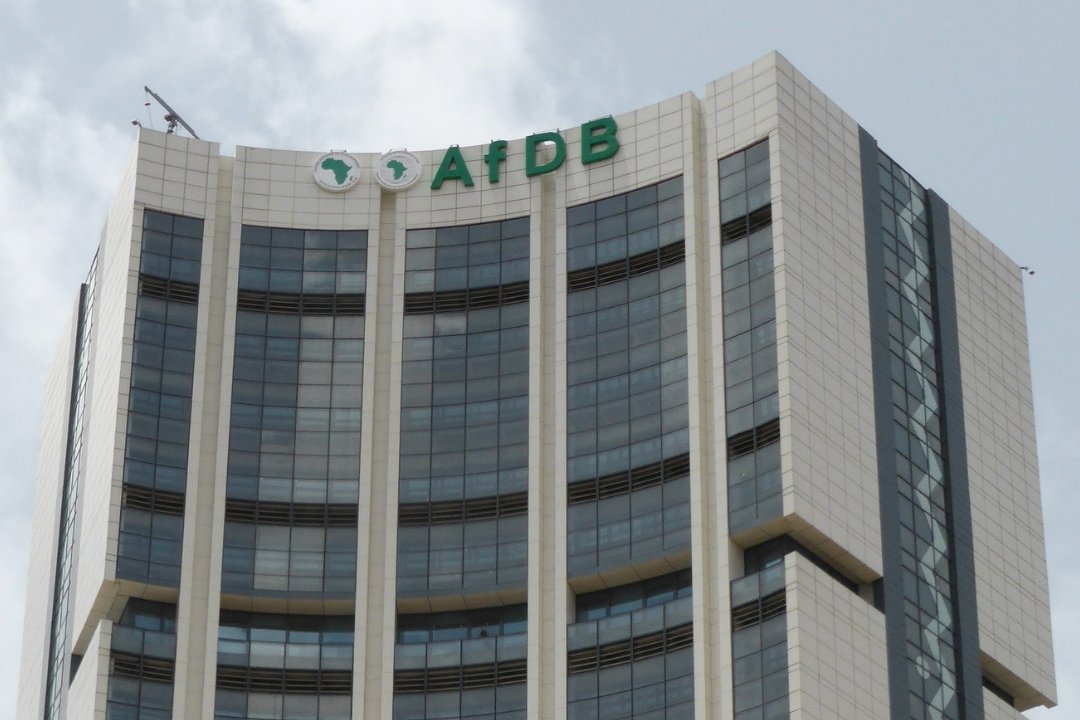

The Lagos State Government and the African Development Bank (AfDB) have launched a new initiative targeting 610 women-led businesses, with the aim of improving access to finance, strengthening business operations and supporting employment creation.
The project, known as the Affirmative Finance Action for Women in Africa (AFAWA) Women Entrepreneurship Project, was launched at a signing ceremony at Lagos House in Ikeja on 14 October 2026. It is being implemented through the Lagos State Employment Trust Fund (LSETF), with Somo Africa serving as the implementing partner.
The African Development Bank is providing a seed grant to support the initiative, which targets women-led micro, small and medium-sized enterprises (MSMEs) across Lagos State.
Beyond financial support, participating entrepreneurs are expected to receive training, mentoring and business advisory services. The programme will also help businesses improve financial management, adopt digital tools, prepare to access suitable financing and establish connections with new customers and markets.
The initiative addresses several challenges faced by women entrepreneurs seeking to move from running small businesses to building more sustainable and competitive enterprises.
Support Beyond Access to Finance
Access to capital is an important part of business growth, but financing alone does not necessarily give entrepreneurs everything they need to expand.
Business owners also need effective financial systems, reliable market access, appropriate technology and the management skills required to operate sustainably.
The AFAWA Women Entrepreneurship Project is designed to address several of these needs together.
Through training and advisory support, participating businesses will be able to strengthen their operations and improve their readiness to approach financial institutions. Market linkages are also intended to help entrepreneurs reach new customers and identify opportunities to expand their commercial activities.
The programme’s emphasis on financial readiness is particularly relevant to businesses seeking external funding. Entrepreneurs may have viable products and established customers but still struggle to demonstrate their financial performance, prepare the necessary documentation or identify appropriate financing options.
Improving these capabilities can help business owners make more informed decisions and present their businesses more effectively to potential lenders and investors.
However, the announcement does not specify the total value of the seed grant, the amount of funding available to each business or the criteria that will be used to select the 610 participants.
Lagos Positions Women Entrepreneurs Within Its Economic Agenda
Lagos is one of Nigeria’s principal commercial centres, with businesses operating across retail, services, manufacturing, technology and other sectors.
The state government has positioned enterprise development and employment creation as important parts of its economic agenda. The new project adds a targeted intervention for women-led businesses to those efforts.
Speaking at the launch, Governor Babajide Sanwo-Olu, represented by Deputy Chief of Staff Sam Egube, said women were central to the state’s economic activities but continued to encounter barriers involving finance, business development support and market opportunities.
He described support for women-led enterprises as an investment in the wider Lagos economy, with the potential to strengthen livelihoods, increase productivity and generate employment.
The governor also emphasised that the programme’s success should be assessed through measurable improvements in participating businesses, including stronger management, better market access, improved financial readiness, business sustainability and job creation.
That emphasis on measurable results will be important as implementation progresses. The number of businesses enrolled will show the initiative’s reach, but the longer-term outcomes will depend on whether participants can apply the support to strengthen their operations and achieve sustained growth.
African Development Bank Focuses on Business Readiness
The African Development Bank is supporting the project through its Affirmative Finance Action for Women in Africa initiative, known as AFAWA.
AFAWA focuses on addressing barriers that prevent women entrepreneurs from accessing the finance and business opportunities needed to grow their enterprises.
At the Lagos launch, AfDB Director General and Acting Vice President Dr Abdul Kamara highlighted the importance of combining financing with technical knowledge, management skills and investment readiness.
He said these capabilities were necessary to help women-owned businesses build viable enterprises and attract appropriate financial support. He also described the partnership as a potential foundation for further interventions supporting women entrepreneurs across Nigeria.
The approach recognises that women entrepreneurs can face several interconnected obstacles. A lack of financing may limit expansion, while gaps in financial management, digital capabilities or access to commercial networks can make it harder to use available resources effectively.
Addressing these issues together may help participating businesses become better prepared for future growth.
The project’s effectiveness will nevertheless depend on the quality of the services delivered, the relevance of the financing opportunities available and the extent to which support continues to meet the needs of businesses as they develop.
Somo Africa and LSETF to Support Implementation
The programme is being implemented through the Lagos State Employment Trust Fund, with Somo Africa acting as the implementing partner.
The partnership brings together a state institution focused on employment and enterprise development, a multilateral development bank providing financial support, and an implementation partner responsible for helping deliver the initiative.
The Lagos State Commissioner for Wealth Creation and Employment, Akinyemi Bankole Ajigbotafe, described the collaboration as an important step towards promoting women’s entrepreneurship and economic independence.
He also acknowledged LSETF’s role in facilitating programmes intended to strengthen enterprises, expand economic opportunities and promote employment across the state.
Effective implementation will require the partners to ensure that entrepreneurs can access the promised training, mentoring and advisory services. The programme will also need a clear approach to monitoring progress and assessing whether participating businesses are benefiting from the intervention.
Measuring Success Beyond the Number of Businesses
The target of 610 women-led businesses gives the project a defined group of potential beneficiaries. Its wider economic value, however, will depend on what happens after the initial support is delivered.
For participating entrepreneurs, the immediate benefits may include stronger financial management, improved digital capabilities and better preparation for accessing finance. Over time, these improvements could help businesses expand their customer base, enter new markets and build more sustainable operations.
Employment creation is another stated objective. If participating enterprises grow, they may be able to recruit additional workers and contribute to local economic activity.
These outcomes should be assessed rather than assumed. The launch announcement sets out the programme’s aims, but it does not yet establish how many jobs will be created, how much additional financing businesses will secure or how their revenue and survival rates will change.
Publishing those results as implementation progresses would provide a clearer picture of the programme’s impact and help identify which forms of support deliver the greatest value to women entrepreneurs.
A Targeted Intervention for Women’s Entrepreneurship
The AFAWA Women Entrepreneurship Project adds to efforts to improve the conditions in which women-led businesses operate in Nigeria.
Its combination of seed funding support, business development services and market connections reflects an approach that looks beyond starting a business to the practical requirements of sustaining and expanding one.
For the 610 businesses targeted in Lagos, the next stage will be turning those commitments into tangible improvements in daily operations, financial preparedness and access to commercial opportunities.
The programme’s longer-term significance will depend on whether those improvements translate into stronger businesses, sustained employment and greater opportunities for women entrepreneurs to participate in the wider economy.