
The International Finance Corporation (IFC) has announced a $5 million loan in local currency to Tajikistan’s Bank Arvand, aimed at increasing financial support for small businesses, women entrepreneurs, energy efficiency projects, and housing finance.
The long-term facility will enable Bank Arvand, an IFC partner since 2019, to expand lending to entrepreneurs and micro and small enterprises, particularly women-led businesses and those based in rural areas. It will also extend access to microloans for low-income families across the country, helping them to build or improve homes.
Bank Arvand is a leading financial institution in Tajikistan with a focus on underserved groups, including individuals and smaller businesses in rural communities. The bank currently serves over 58,000 borrowers nationwide.
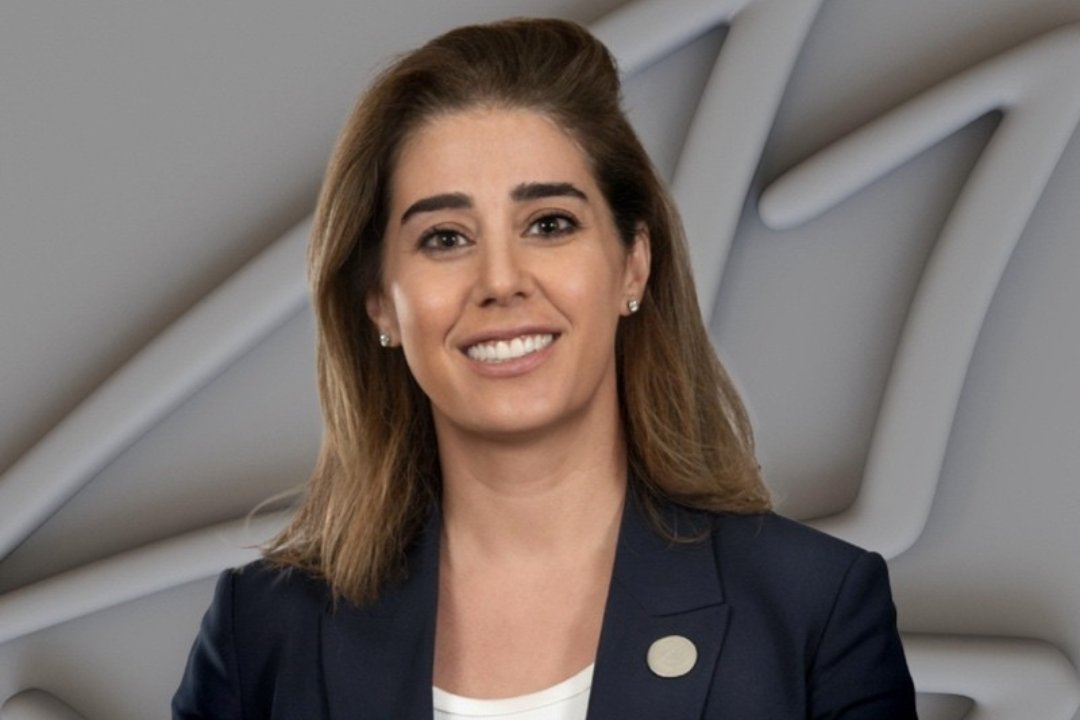
“Micro businesses and women entrepreneurs are a key part of Tajikistan’s economy. This financing from IFC will make it possible for more of them to access credit, and help them to expand and create jobs,” said Shoira Sodiqova, CEO of Bank Arvand. “In addition, we aim to help address the current lack of access to affordable housing finance.”
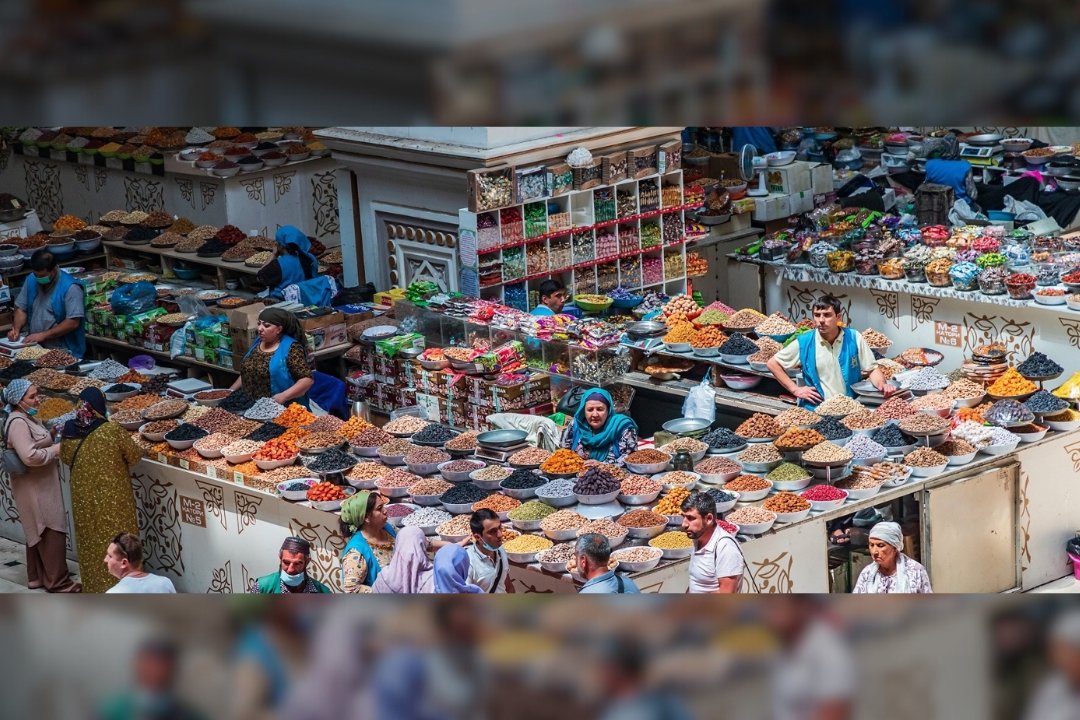
Despite contributing around 60 percent of Tajikistan’s GDP, small and medium enterprises face a considerable financing shortfall, estimated at nearly 20 percent of GDP, or about $3 billion. Informal micro businesses remain a major source of income for many households, yet they often lack access to formal financial services. Housing finance is similarly limited for low-income families, especially outside urban areas.
“By partnering with Bank Arvand, IFC aims to unlock opportunities for thousands of individuals and small businesses, including women-owned enterprises, while strengthening resilience in Tajikistan’s banking and housing sectors,” said Wiebke Schloemer, IFC Director for Türkiye and Central Asia. “This collaboration will also advance energy-efficient initiatives, fostering innovation and driving sustainable economic growth.”
The investment is backed by the International Development Agency’s Private Sector Window (IDA PSW) Blended Finance Facility, which will provide a pooled first-loss guarantee, alongside the IDA PSW Local Currency Facility. It is part of IFC’s MSME Finance Base of the Pyramid (BOP) Platform, designed to help financial institutions extend lending to small businesses in emerging economies recovering from the impact of the COVID-19 pandemic.