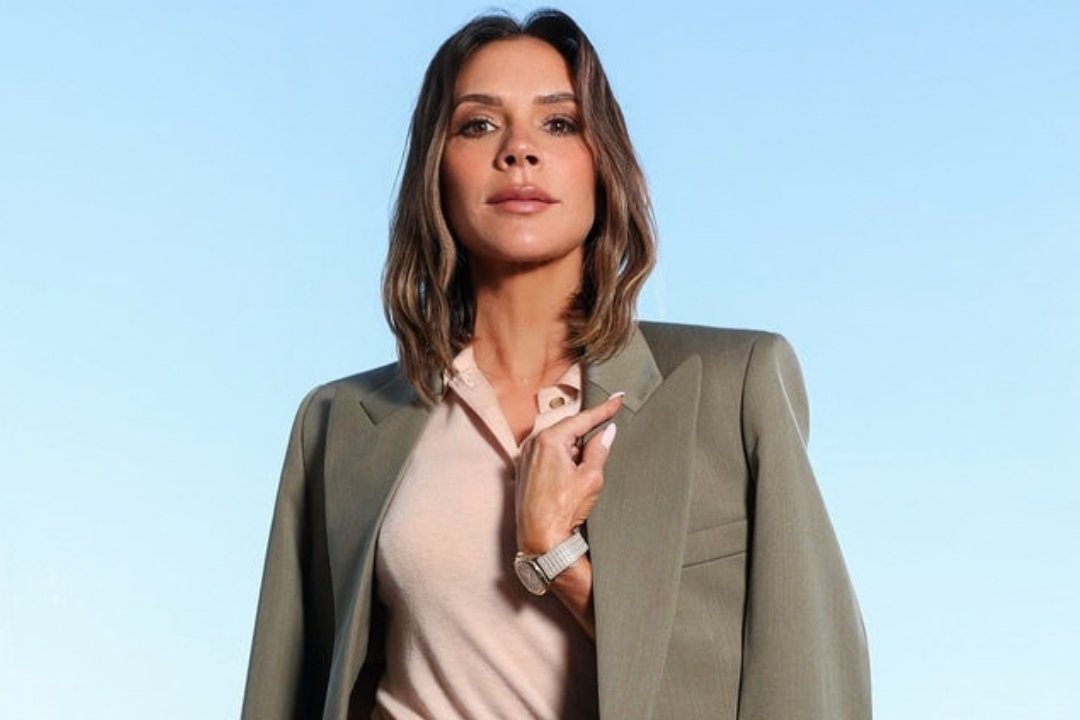
Gen Z has significantly influenced various industries, with fashion being among the most visibly transformed. Their preferences are reshaping global fashion dynamics, both commercially and culturally. Following are some of the women’s fashion trends, some new, some revived, which have been popularised by Gen Z.

Oversized Clothing
Oversized apparel has become a staple of Gen Z wardrobes. From oversized T-shirts to baggy jeans, Gen Z has largely moved away from form-fitting silhouettes, favouring looser, more relaxed styles. This is seen as an expression of comfort, individuality, and straying away from strict body and shape standards from the past.

Patchwork
While patchwork in clothing has been a part of many fashion trends in the past, it is one of the important trends gaining traction from Gen Z. From multi-textured jackets to patched denim, Gen Z fashion has used patchwork in clothing as a form of self expression and creativity. It is not just about fixing what’s broken, but about adding a piece of oneself to one’s clothing.

Thick Footwear
From platform heels to boots and chunky trainers, many young people are gravitating towards footwear with wide soles. It fits well with the wave of casual and comfortable fashion that has swept over the generation.

Statement Prints
One of the most noticeable features of Gen Z fashion is the trend of statement prints, from favourite television quotes to social impact slogans. Young people are embracing the culture of being bold and unapologetic about who they are and what they believe. This culture of being loud and original makes its way into Gen Z’s fashion trends with people wearing T-shirts, jackets and other apparel with statement prints.

Crochet
One of the emerging trends among Gen Z is the resurgence of crochet, transforming a traditional craft into a modern fashion statement. Young consumers are adopting crochet not just for its aesthetic appeal but as a way to showcase creativity and individuality. Crocheted pieces ranging from tops and cardigans to accessories have become a symbol of craftsmanship and personal style, reflecting a wider interest in handmade and sustainable fashion.

Sustainable Fashion
With Gen Z largely being digital natives, they have been exposed to a tide of information about products they consume since the early years, something which was not readily available to previous generations. This awareness has translated into more conscious consumption, particularly regarding the impact that fast fashion has on the planet. They are also a part of the generation that has inherited the world facing unprecedented environmental challenges, with heightened pollution levels, global warming and collecting waste, and as a result, they are moving towards more sustainable fashion, ranging from slow fashion, smaller brands to thrifted clothes gaining more traction.

Comfortable clothing
Gen Z has distinctly prioritized comfort in their apparel choices, reflecting a shift away from conventional fashion norms. This shift reflects a growing emphasis on individuality in fashion and a rejection of traditional body and beauty conventions. The preference for comfortable clothing is evident across various trends, from the adoption of more relaxed corporate attire to the continued popularity of oversized garments and footwear.

Androgynous apparel
Gen Z has also challenged traditional norms by embracing gender-neutral and androgynous apparel, reflecting a progressive move beyond the conventional gender binary. Young consumers are redefining gendered fashion norms and broadening the scope of inclusivity. This trend includes men adopting styles traditionally associated with femininity and female celebrities opting for tuxedos instead of dresses on the red carpet.

DIY fashion
Many Gen Z individuals are becoming increasingly self-reliant in their fashion choices, as demonstrated by trends such as crocheting and patchwork. In line with this, many are involved in designing and creating their own outfits, whether by combining separate pieces or making an entire outfit. This DIY approach signals a wider shift in the fashion industry towards personalization and authenticity.

Maximalism
Millennial fashion was strongly defined by minimalist aesthetics and the ‘less is more’ philosophy. This is now shifting, with Gen Z driving a resurgence of maximalism. Rather than opting for subtle, understated styles, Gen Z gravitates towards bold, colourful, and expressive fashion – unafraid to experiment with unconventional combinations. As a result, Gen Z wardrobes are increasingly characterised by vibrant colour pairings, statement accessories, and contrasting layers.

Nostalgic fashion
The revival culture is strong in Gen Z fashion. Whether through retro pop culture references or the return of vintage styles from the 1980s and 1990s, nostalgic fashion is no longer just about revisiting the past. It reflects a deeper effort to reconnect with earlier fashion eras and reinterpret their aesthetics through a contemporary lens. This generational shift has seen the resurgence of Y2K-inspired looks, 70s-style statement overcoats, bold silhouettes from the 80s, and the minimal yet distinctive appeal of 90s fashion.

Modest Fashion
There has been a noticeable surge in demand for modest fashion among Gen Z, driven by several cultural and social factors. First, a growing emphasis on comfort and a rejection of traditional body ideals has led many to favour more modest styles. Second, fashion is increasingly viewed as a means of expressing both cultural heritage and individual identity, prompting many young consumers to incorporate traditional garments into everyday wear. Third, the rise of digital platforms such as Pinterest and Instagram has expanded access to stylish, modest fashion options. As a result, modesty is no longer seen as a compromise but as a viable and fashionable choice, with a growing number of designers and global brands catering to this evolving consumer base.