The Government of The Gambia and the European Union (EU) have signed a financing agreement worth D1.7 billion (20 million euros) aimed at transforming the country’s agri-food systems.
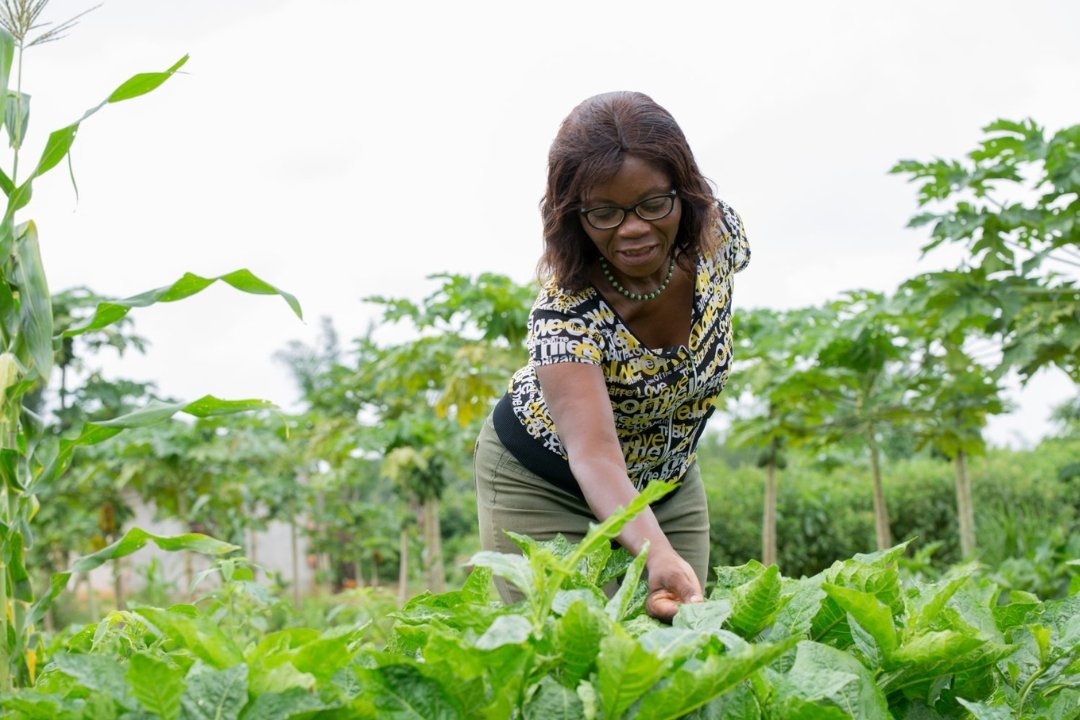
The agreement, signed last Friday at the Ministry of Finance and Economic Affairs Conference Hall in Banjul, will support the entire chain of activities “from field to fork.” The initiative is focused on modernising the horticulture sector, with particular emphasis on women, young people, and rural communities.
Hon. Seedy K. M. Keita, Minister of Finance and Economic Affairs, described the move as a significant step in advancing food security and rural development. He said the agreement is designed to expand investment, improve productivity, and create new income and employment opportunities for Gambians engaged in food value chains.
“It will contribute actively to our national goals of boosting food production, creating decent jobs for our people, and ensuring greater resilience in the face of climate change,” he added.
EU Ambassador to The Gambia, Immaculada Roca I Cortes, highlighted the shared commitment to supporting Gambian farmers through the deal.
Minister of Agriculture, Honourable Dr. Demba Sabally, also spoke at the ceremony, noting that the initiative comes at a critical moment. He explained that the country’s food system is currently grappling with low productivity, the effects of climate change, food safety concerns, and limited access to finance and markets.
“Through this program, these challenges will be tackled through increasing investment and broaden opportunities for Gambians, most especially, women and youth, focusing on the horticultural value chain,” Dr. Sabally stated.
The financing agreement was formally signed by Immaculada Roca I Cortes on behalf of the EU and Hon. Seedy K. M. Keita on behalf of the Gambian government.
Implementation of the programme will focus on three main priority areas and will be overseen by COLED, a private-sector not-for-profit organisation. Officials noted that the agreement builds on the EU’s long-standing partnership with The Gambia and reflects joint ambitions to deliver on the UN Sustainable Development Goals, particularly in the areas of food security, gender equality, and climate action.