
The Governor of the Central Bank of Nigeria (CBN), Olayemi Cardoso, has inaugurated the newly reconstituted board of the Agricultural Credit Guarantee Scheme Fund (ACGSF) during a ceremony in Abuja. The event, held on Tuesday, 9 December, marked what Cardoso described as a significant step towards reshaping agricultural financing in Nigeria.
Speaking at the inauguration, Cardoso said the ACGSF, established in 1977, remains one of the country’s longest-standing development finance tools and continues to play a central role in efforts to transform the agricultural sector. He warned that the sector can no longer operate under what he called “business as usual” financing if Nigeria is to achieve meaningful food security and sustainable economic growth.
Highlighting the scale of the challenge, Cardoso said, “Agriculture contributes more than one-fifth of our Gross Domestic Product (GDP) and employs nearly two-thirds of our labour force, yet it receives less than five percent of banks’ total lending.” He noted that such a persistent funding gap restricts the productivity of millions of farmers.
Cardoso explained that while the ACGSF has historically guaranteed up to 75 percent of agricultural loans, the sector now faces new pressures, including climate risks, insecurity, long value chains and rapid technological change. He said the strengthened scheme, whose share capital increased from ₦3 billion to ₦50 billion under the amended 2019 Act, must shift from simply guaranteeing loans to actively helping farmers, cooperatives and agribusinesses secure affordable credit.
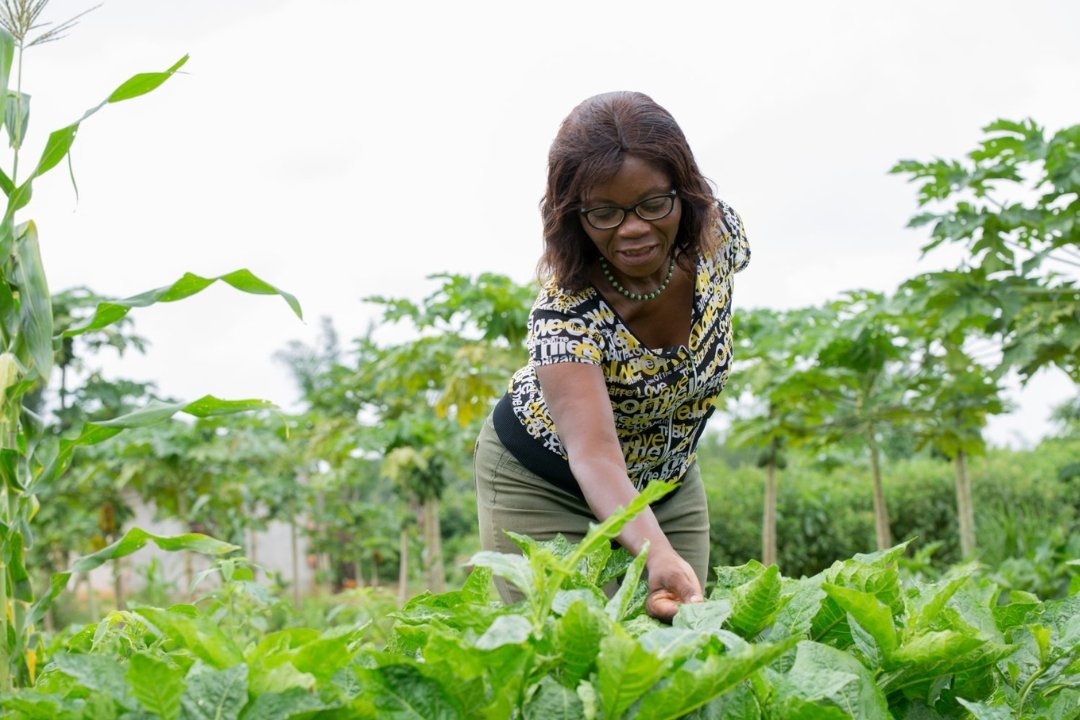
He urged the new board to make financial inclusion a priority, pointing out the barriers faced by smallholder farmers, particularly women and young people. According to him, almost 60 percent of rural women do not use mobile internet services, limiting their access to digital financial solutions.
Cardoso encouraged collaboration with microfinance banks, cooperatives and fintech firms to design products suited to small-scale producers. He said innovations such as group lending, agent banking and digital credit systems should ensure farmers are not excluded because of limited collateral or remote locations.
To improve transparency and reduce defaults, Cardoso called for real-time monitoring of guaranteed loans with tools such as satellite imagery, digital dashboards and data-driven assessments. “Every naira guaranteed must deliver real value on the farm and in the marketplace,” he said.
Cardoso added that strengthened monitoring would help track the impact of credit on productivity and identify early signs of repayment challenges. He reaffirmed the central role of agriculture in the government’s renewed hope agenda, noting that smallholder farmers, who produce 80 percent of Nigeria’s food, remain vital to national development.
Concluding the ceremony, Cardoso said the new board must reposition the ACGSF as a key instrument for agricultural transformation. “With today’s inauguration, we have renewed our commitment to a food-secure and prosperous Nigeria,” he said, pledging full CBN support to the board.