
Seaflora Skincare, a pioneering company based in Sooke, Canada, is turning heads with its unique use of seaweed – not only in beauty products but as a symbol of sustainable innovation.
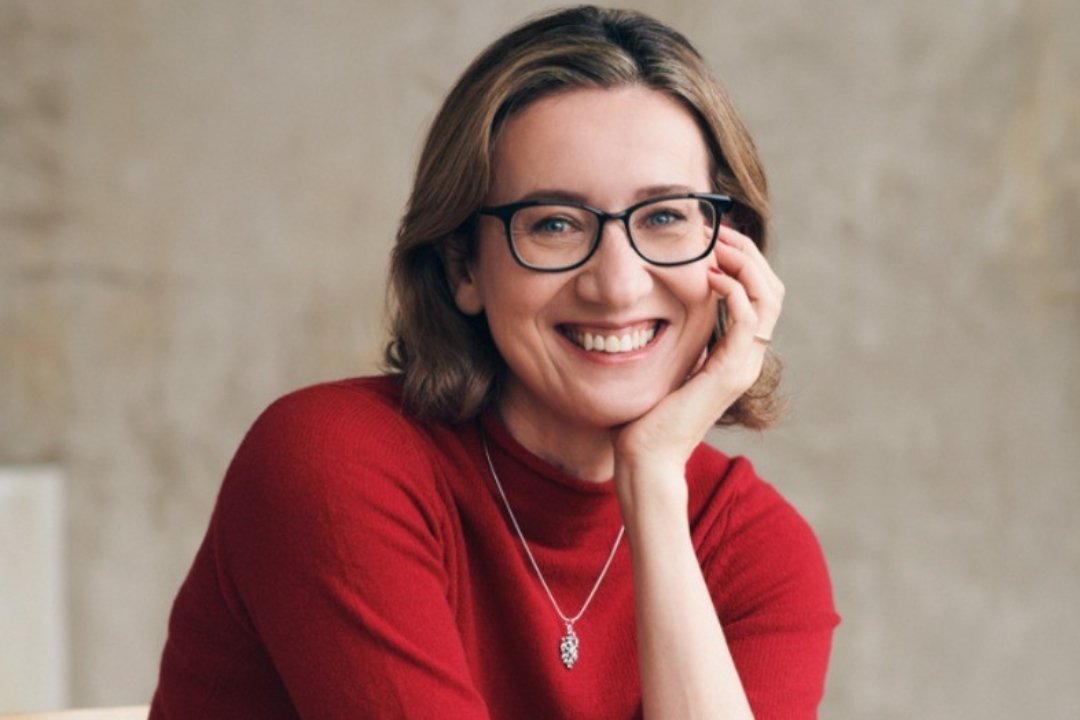
Founded by Diane Bernard in 1998, Seaflora Skincare is celebrating 25 years in business – A journey that began when she realised a popular skincare line was heavily promoting the benefits of seaweed without actually including much of it in their formulas.
“The last and least-used ingredient was seaweed, and 100 per cent of the marketing was about seaweed, 100 percent of the benefits in the marketing were seaweed.But there was none in it. It was heavily processed, heavily perfumed and fragranced. And she said, ‘Well, Vancouver Island is gift-wrapped in seaweed – I can do something like this,’” explained Adam Butcher, who now runs the company as its “Sea.E.O.” after his mother stepped away from the business.
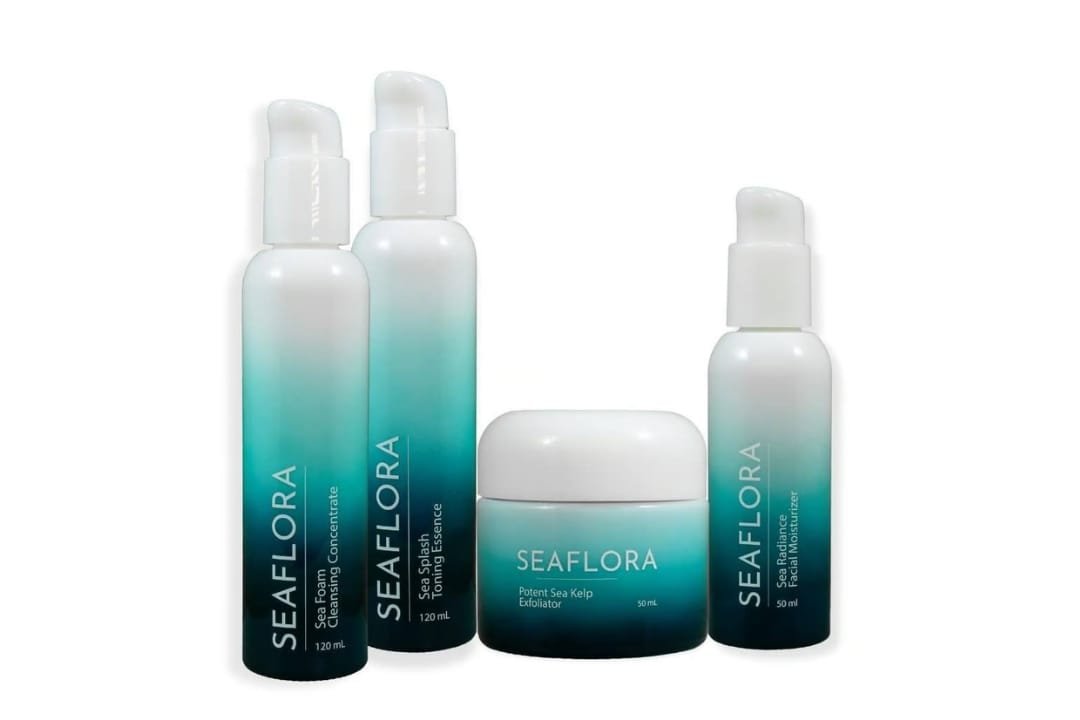
That realisation planted the seed for Seaflora’s seaweed-based skin care, which has since evolved into a full-fledged product range, consisting of 42 items available both online and through retail. The company now employs seven full-time staff and continues to grow.
Seaflora recently showcased its products at the International Seaweed Symposium, held from 4 to 9 May at the Victoria Conference Centre. The globally recognised event brings together researchers, entrepreneurs, and ocean advocates to explore the latest innovations and discoveries centred around seaweed.
For Seaflora’s team, the symposium was more than just a networking opportunity. It was a chance to advocate for seaweed’s underappreciated potential in the beauty and wellness industry.
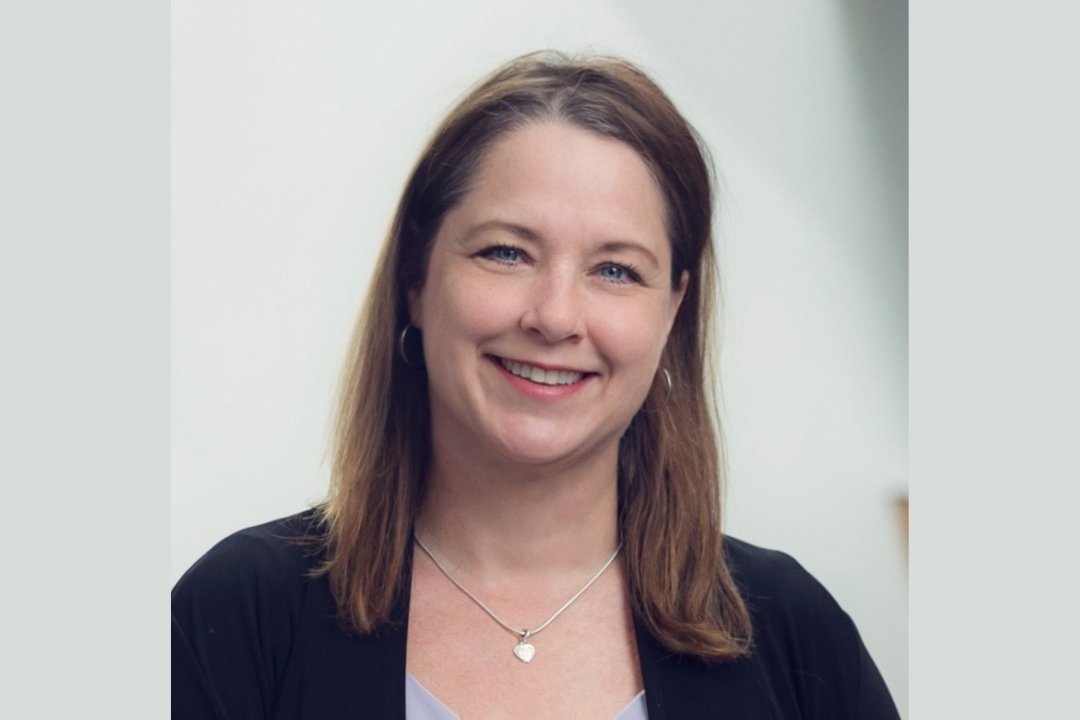
Catherine Line, co-owner of Seaflora, noted how seaweed could offer a more ethical and sustainable source of skincare ingredients as alternatives to popular moisturising agents like squalane.
“Squalane comes from shark livers. We already have enough problems with people slicing fins off for shark fin soup,” Line said. “So I keep telling people, why don’t you extract squalane from seaweed and sell it to L’Oréal or Estée Lauder? There are so many things that come from seaweed that make it more sustainable.”
Butcher echoed this sentiment, noting that seaweed often gets overlooked due to perception issues. “As my mom always said, seaweed has such a bad PR problem. So a lot of it is getting people more excited about seaweed, which is easy to do here at the Seaweed Symposium. Somebody told me yesterday, ‘The world is sleeping on seaweed.’ And they really are,” he noted.
In addition to being environmentally friendly, seaweed is packed with natural compounds that make it ideal for skincare. According to Butcher, its nutrient profile rivals traditional land-based plants.
“Whatever is trending in skincare, seaweed has it,” he said. “Whether it’s vitamins and minerals – seaweeds have more than any fruit, vegetable or herb grown on land – or whether it’s unique bioactive compounds that are beneficial to human skin.”
Another major advantage is that seaweed is highly renewable. Butcher harvests species such as Macrocystis, a type of kelp that ranks among the fastest-growing organisms on the planet. The seaweed is collected in a sustainable way roughly a dozen times a year, enough to support their production needs.
“I’ve maybe harvested in 300 square metres of area. You just give the seaweed a little haircut, and the rest of it keeps growing. You come back year after year after year,” Butcher said.
Their commitment to sustainability doesn’t stop at the ocean. Seaflora uses glass packaging for its products and supplies larger bulk quantities to hotels to reduce waste.
While running a skincare company wasn’t always part of his plan, Butcher’s connection to the sea and seaweed has deep roots. As a teenager, he worked harvesting local varieties for chefs across Vancouver Island. After spending time abroad and returning home, Butcher saw the opportunity to carry on his mother’s legacy. Since taking the helm, he’s travelled globally, promoting the virtues of seaweed and expanding Seaflora’s presence.
“We’re celebrating 25 years in business this year, and it’s been a really cool ride,” he said. “The future is just doing what we’re doing – but doing it better.”