
The African Development Bank (AfDB) used the Second Africa Climate Summit to highlight new commitments and partnerships aimed at scaling up gender-responsive climate finance and energy solutions.
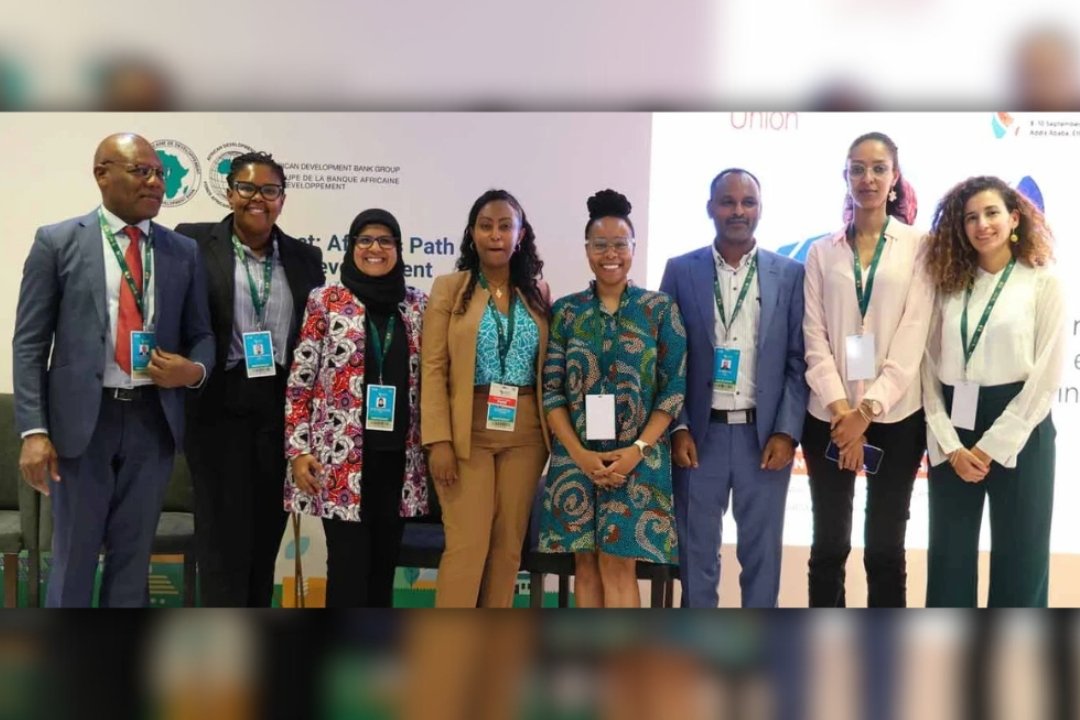
A high-level panel titled “Scaling Up Gender-Responsive Climate and Energy Solutions: From Finance to Policy and Data” was held at the Bank’s pavilion in Addis Ababa’s International Convention Center. The event showcased initiatives designed to channel greater investment towards women-led businesses tackling the effects of climate change.
One of the key announcements came from KawiSafi Ventures, an AfDB investment partner, which confirmed that 35% of its $90 million Fund II will be directed to female-founded companies in the energy transition sector.
The Bank pointed to its Affirmative Finance Action for Women in Africa (AFAWA) programme as a cornerstone of this effort. It also highlighted collaborations with the Climate Investment Funds and civil society organisations that are working to provide financial access, reform policies, and support grassroots implementation of gender-responsive projects.
The panel was moderated by Mehjabeen Alarakhia, Regional Policy Specialist at UN Women’s East and Southern Africa office, and featured speakers including Noluthando Mthimkulu from South Africa’s National Business Initiative, Angela Muraguri of KawiSafi Ventures, and Billo Denabo from Farm Africa.
Africa is widely recognised as one of the regions most exposed to climate impacts, with worsening extreme weather, unpredictable rainfall, and falling agricultural productivity. These challenges intensify existing inequalities, particularly for women in rural areas, who often lack access to finance or representation in decision-making.
Muraguri’s announcement regarding KawiSafi’s fund was welcomed, though she admitted it was only a start. She said expanded partnerships would be needed to confront systemic gender inequalities across the green economy.
“Women, particularly in rural areas, are bearing the brunt of these shocks while often being excluded from decision-making, finance, and opportunities in the green economy,” said Jemimah Njuki, the Bank Group’s Director of Gender, Women Empowerment and Civil Society. “When women are empowered as leaders, innovators, and entrepreneurs, our collective response to climate change becomes stronger.”
The Climate Investment Funds’ Farah Outeldait emphasized energy sector outcomes: “When women are empowered in energy systems – as users, entrepreneurs or decision-makers – we see that access improves, resilience grows and communities thrive.”
The Bank said its role extends beyond financing projects to setting standards for inclusive climate action and driving knowledge-sharing.
Kidanua Gizaw, coordinator of the Bank’s partnership with Climate Investment Funds, said: “Through the climate funds we partner with and implement, we are ensuring that women and youth are at the center of Africa’s climate transition.”