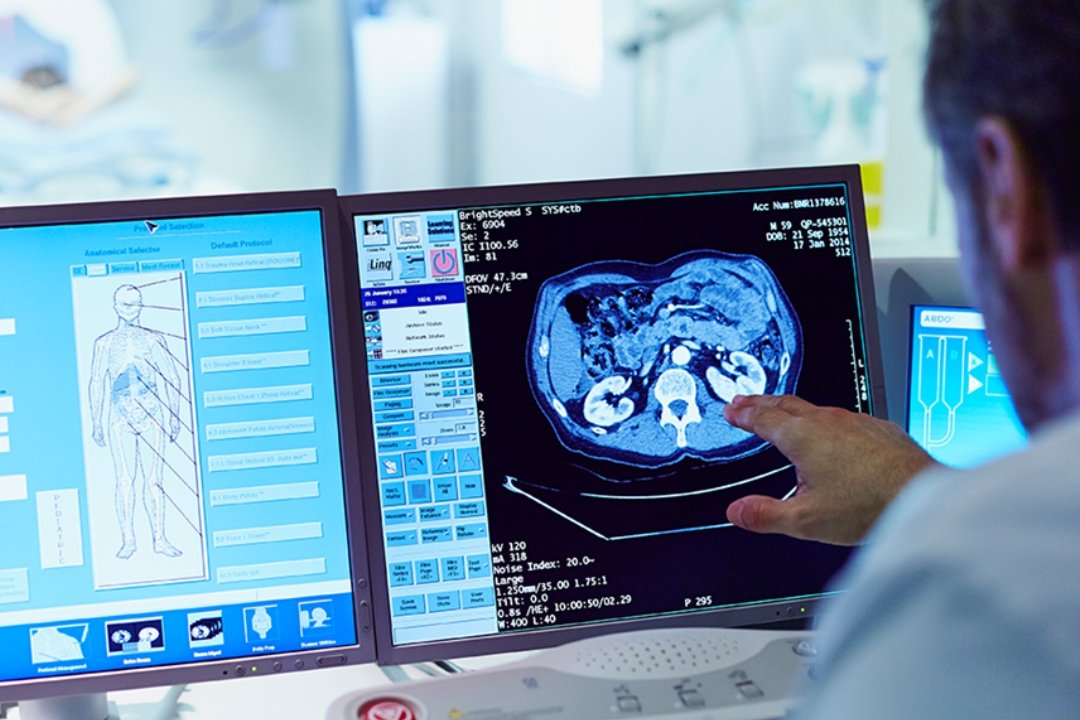
New findings from a large-scale clinical trial published in The Lancet highlight the effectiveness of supplemental imaging techniques in detecting early-stage breast cancers in women with dense breast tissue, cases that standard mammograms often fail to identify.
The phase 3 randomized controlled trial, conducted across the UK, involved over 9,000 women with dense breasts and normal mammogram results. Participants were divided into three groups, each undergoing a different supplemental imaging technique: fast MRI, contrast-enhanced mammography, and ultrasound.
The results show a clear advantage for the more advanced methods. Cancer detection rates stood at 1.7% for fast MRI and 1.9% for contrast mammography. In comparison, ultrasound identified cancers in just 0.4% of participants. These figures point to a significant improvement in identifying cancers that may otherwise remain undiagnosed until more advanced stages.
Around 10% of women aged 50 to 70 in the UK have extremely dense breasts. This group is known to face a fourfold higher risk of developing breast cancer compared to women with low-density breast tissue. The structure of dense breast tissue can obscure tumours on standard mammograms, limiting their diagnostic value.
Although past studies have examined the role of MRI and ultrasound as supplementary tools, this is the first research effort to directly compare these techniques with contrast-enhanced mammography in women with negative mammograms but dense breast tissue.
While the study’s outcomes underline the potential life-saving role of these scans, researchers caution that more work is needed. Further investigation will determine whether early detection through these methods can reduce mortality, assess risks of overdiagnosis, and help weigh the cost-effectiveness of introducing such strategies into broader screening programs.
“In addition to the relevance for the UK’s breast cancer screening programme, this study has global implications for all countries where screening is undertaken for women with dense breast tissue,” said lead author Professor Fiona Gilbert of the University of Cambridge.