
The Asian Development Bank (ADB) has approved a US$150 million loan to support resilient, low-carbon urban development in Xianning municipality, located in Hubei province in the People’s Republic of China.
The financing will support the Hubei Xianning Climate-Resilient Low Carbon Urban Development Project, which has a total planned investment of $336.12 million. Additional funding will come from Xianning Urban Development (Group) Co. Ltd, Chibi Urban Development Group Co. Ltd, and the Counterpart Fund.
A key element of the project is the integration of the International Road Assessment Programme (iRAP) to improve road safety, particularly for pedestrians and cyclists. Under the project, at least 60 kilometres of non-motorised transport lanes will be built or rehabilitated, with targeted road sections achieving a minimum three-star safety rating for cyclists and pedestrians.
The iRAP and Safe System Approach will be used to guide detailed design audits, identify high-risk road sections, and develop Safer Road Investment Plans aimed at improving Star Ratings to three stars or above. Road safety assessments will also be conducted on detailed design drawings, including school zones, as well as after construction to assess the effectiveness of safety improvements.
Asif Cheema, National Director of the AfDB for the People’s Republic of China, said: “The Hubei Xianning Low Carbon and Climate Resilient Urban Development Project will support the development of an efficient, intelligent, safe, and resilient urban transportation and services system, especially in Xianning and Chibi City. In line with the People’s Republic of China’s goals of high-quality, low-carbon urban development, as well as the AfDB’s partnership strategy for the People’s Republic of China, the project is also designed to serve as a replicable model for other small cities seeking to enhance their urban resilience.”
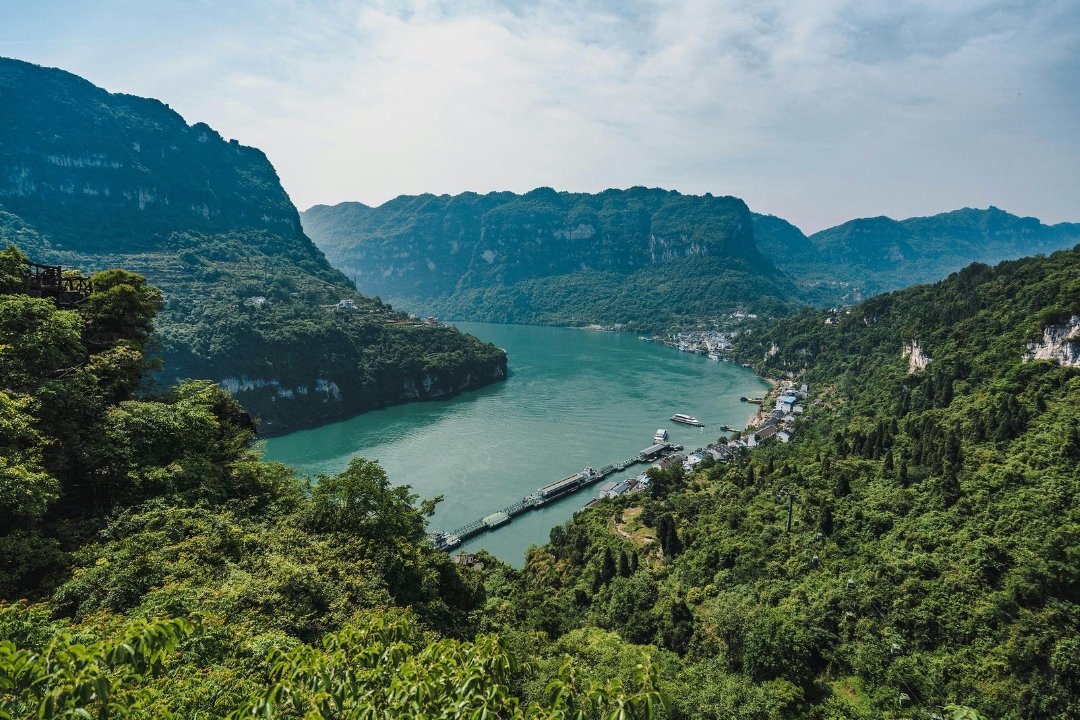
Xianning, including its county-level city Chibi, has a population of around 2.6 million and is located along the middle reaches of the Yangtze River. Despite its strategic position within the Wuhan metropolitan area, the municipality faces challenges linked to ageing infrastructure, frequent flooding, traffic congestion, and elevated road safety risks. Public transport use remains limited, while many roads lack cycling infrastructure.
The project will fund new public transport facilities and digital systems, a new water supply pipeline to serve more than 115,000 households, and upgraded drainage and non-motorised transport infrastructure using a “dig once, build back better” approach. Plans also include a low-emission zone in Chibi Old Town, the introduction of electric buses and ferries, and the removal of at least 20 known safety blind spots. The initiative is also expected to create skilled jobs for women during construction and operation phases.