
Tunisian authorities and global agencies are joining forces to help high numbers of female science graduates move out of academia and into professional jobs.
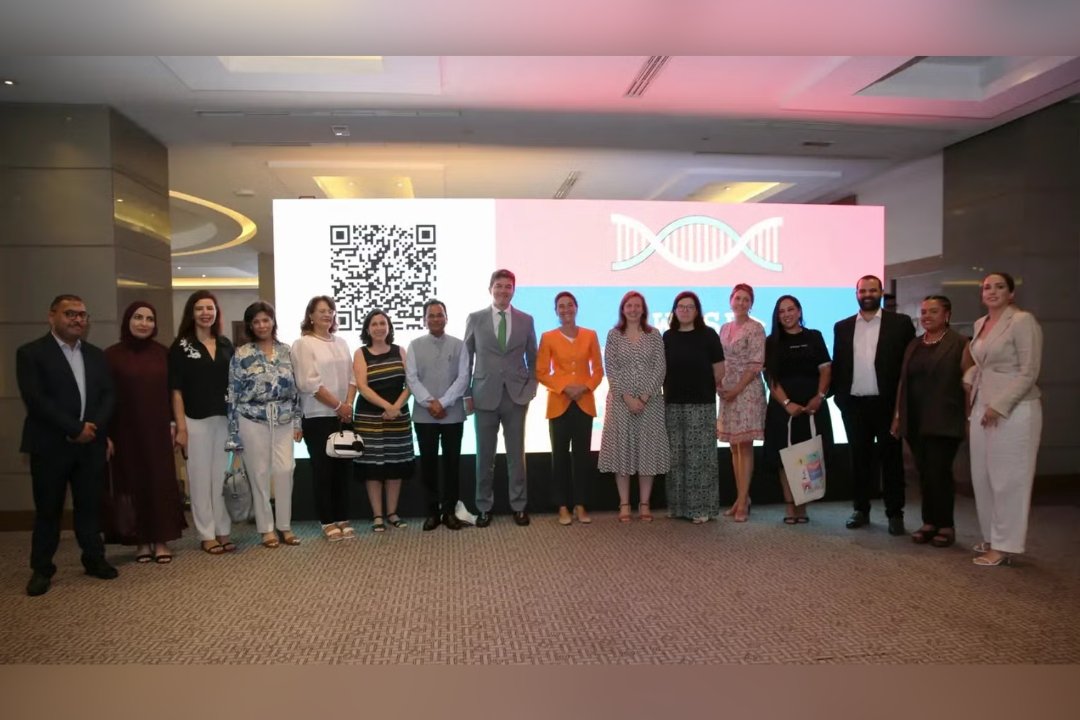
Organisers launched the second WYSE 2.0 National Forum and Job Fair (Women & Youth in STEM Employment) in Tunis on Monday. The project addresses a regional paradox where Tunisian women make up 54% of science, technology, engineering and mathematics graduates, far outstripping the global average of 35%. Despite this high level of educational achievement, many qualified women still face a glass ceiling when trying to enter the workforce.
The event, backed by UN Women, the Embassy of the Kingdom of the Netherlands in Tunisia and the Challenge Fund for Youth Employment (CFYE), brought 150 female candidates together with 34 businesses. Recruiters presented 217 vacancies across seven economic sectors. Information technology led the event with 95 openings in data science, artificial intelligence and cybersecurity. Biology and life sciences followed closely with 46 positions available in pharmaceutical production and medical sectors.
Eight major employers accounted for 61% of the total roles. Everience Tunisia offered 50 vacancies, while PHARGAMAGHREB presented 19 openings. Novation City offered 15 openings, ARCHIDOC SA and Infinity Management both brought 12 openings, ONETECH GROUP had nine openings, and EY Ernst & Young and MENOYA each offered eight openings. Candidates had completed three days of virtual career training earlier in July to improve their interviewing and CV skills.
Organisers hope to surpass the benchmark set by the inaugural 2025 event, which helped 43 out of 104 participating graduates find work within three months, yielding a 41.3% placement rate. The current initiative wants to guarantee job placements, internships or formal contracts for at least half of the group. The programme also asks corporate partners to sign up to the United Nations Women’s Empowerment Principles to build safer, more inclusive working environments.
Ms Florence Basty, UN Women Representative for Tunisia and Libya, reiterated the fundamental vision of the program: “Through WYSE, we go beyond simply observing the problem. The skills are there; it’s the systems, recruitment practices, and partnerships that need to evolve to transform these talents into sustainable, high-quality jobs.”