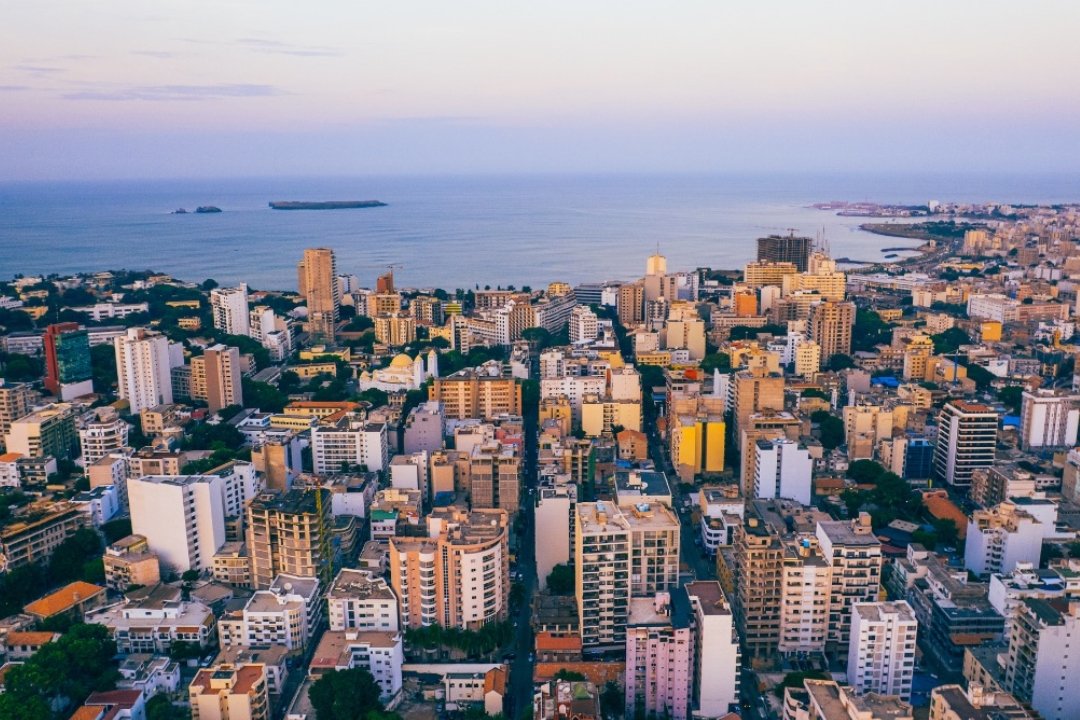

The European Bank for Reconstruction and Development (EBRD) has initiated its formal support framework for small and medium-sized enterprises (SMEs) in Senegal. The announcement follows the recent establishment of the institution’s first permanent resident office inside the capital city of Dakar.
The developmental package was unveiled during an official EBRD conference, which received financial backing from the bank’s Small Business Impact Fund. Throughout the event, representatives outlined a new strategic approach to aid the private sector while evaluating the commercial landscape encountered by domestic firms. The presentation gathered delegates from local businesses, financial entities, government ministries, development organisations and regional corporate associations.
Conference sessions highlighted the foundational status of small firms in generating employment, driving entrepreneurship and establishing internal economic value across Senegal. However, delegates noted that domestic enterprises frequently struggle against deep structural blockages. These issues include difficulty in acquiring financial backing, obtaining professional expertise and penetrating international trade networks.
The baseline consensus established during the event indicates that the provision of credit lines is insufficient to fully expand private enterprise. Businesses require highly tailored commercial instruments paired with practical management advisory guidance to increase market competitiveness, build institutional creditworthiness and access fresh trade avenues.
Consequently, the institution will deploy a combined offering that links customised finance, corporate advisory assistance and targeted policy dialogue. The funding structure will incorporate dedicated credit facilities funnelled through intermediary financial firms alongside portfolio risk-sharing operations for micro and small companies. The lender will also supply specific risk-sharing options for midcap firms and medium enterprises, supported by supply chain financing tools to preserve short-term liquidity and aid integration into international supply networks.
Senegal finalised its status as an official shareholder and operating nation of the institution in 2025. The core operational mandate within the country concentrates on advancing private companies, upgrading regulatory institutions and encouraging sustainable economic progression.
The presence of the permanent Dakar base will let the bank coordinate directly with local managers. This hands-on collaboration aims to optimise operational productivity, improve corporate governance, install modern technologies, protect operations against climate threats and drive expansion into broader regional markets. The financial institution will also cooperate with state authorities to establish an advantageous regulatory arena that allows local firms to increase innovation and generate new jobs.