
The Africa Women Innovation & Entrepreneurship Forum (AWIEF) has announced the formation of its Advisory Board, marking a significant step in shaping the organisation’s next phase of growth and long-term impact across Africa.
According to AWIEF, the Advisory Board has been set up to provide strategic direction as the organisation expands its work beyond its flagship annual forums. The board will advise on medium- and long-term priorities, including sustainable revenue growth, institutional development, governance, and the scaling of programmes that support women entrepreneurs and innovators across the continent.
The newly appointed board brings together senior global figures from business, policy, development, media and innovation, each with experience spanning Africa and international markets. AWIEF said the collective expertise of the group will support its ambition to strengthen its institutional foundations while increasing its reach within Africa’s entrepreneurship ecosystem.
“The establishment of the Advisory Board marks an important milestone in AWIEF’s evolution,” said Irene Ochem, Founder & CEO of AWIEF. “The collective experience, insight, and leadership of our Advisory Board members will be invaluable as we consolidate our institutional foundations and scale our impact across Africa’s entrepreneurship ecosystem.”
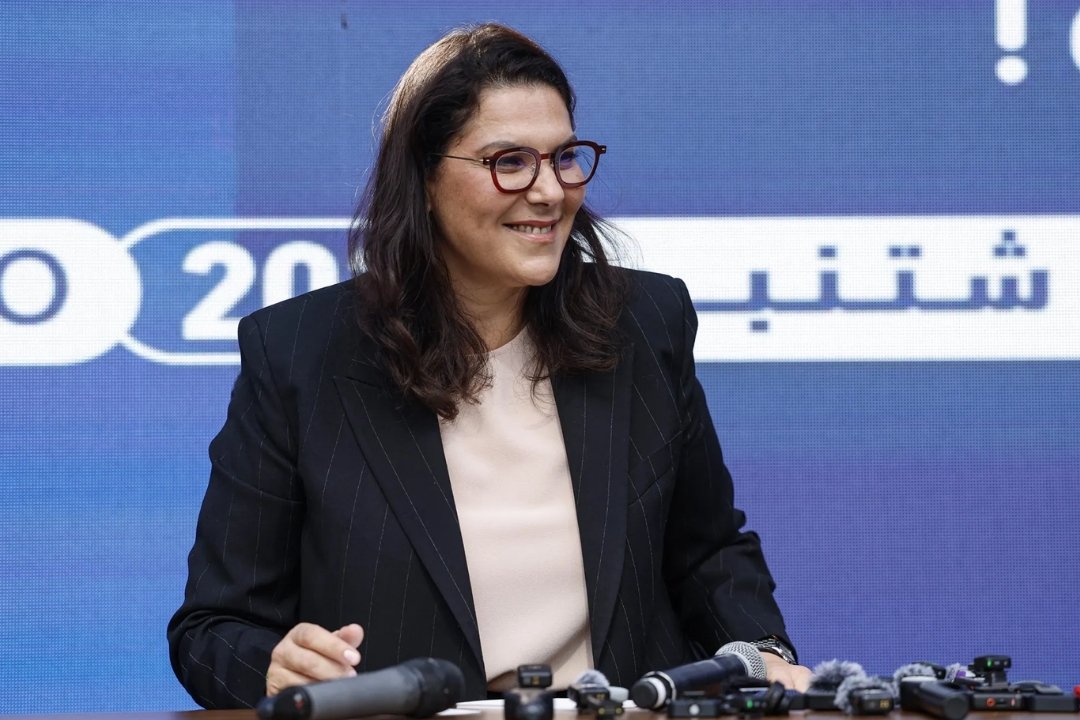
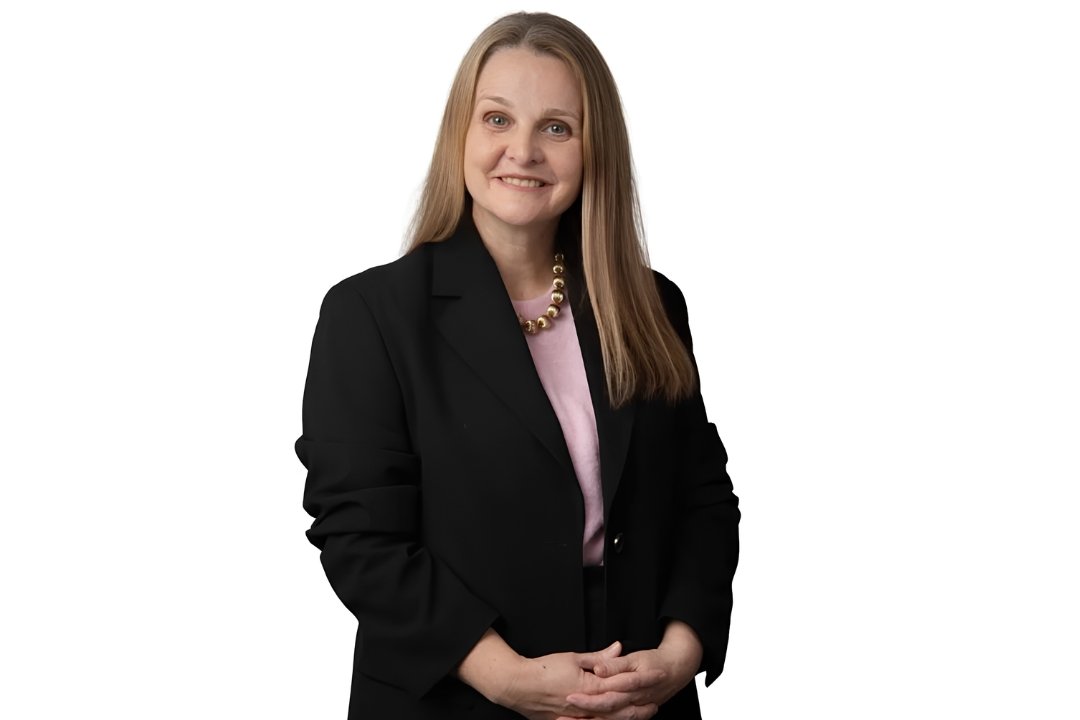
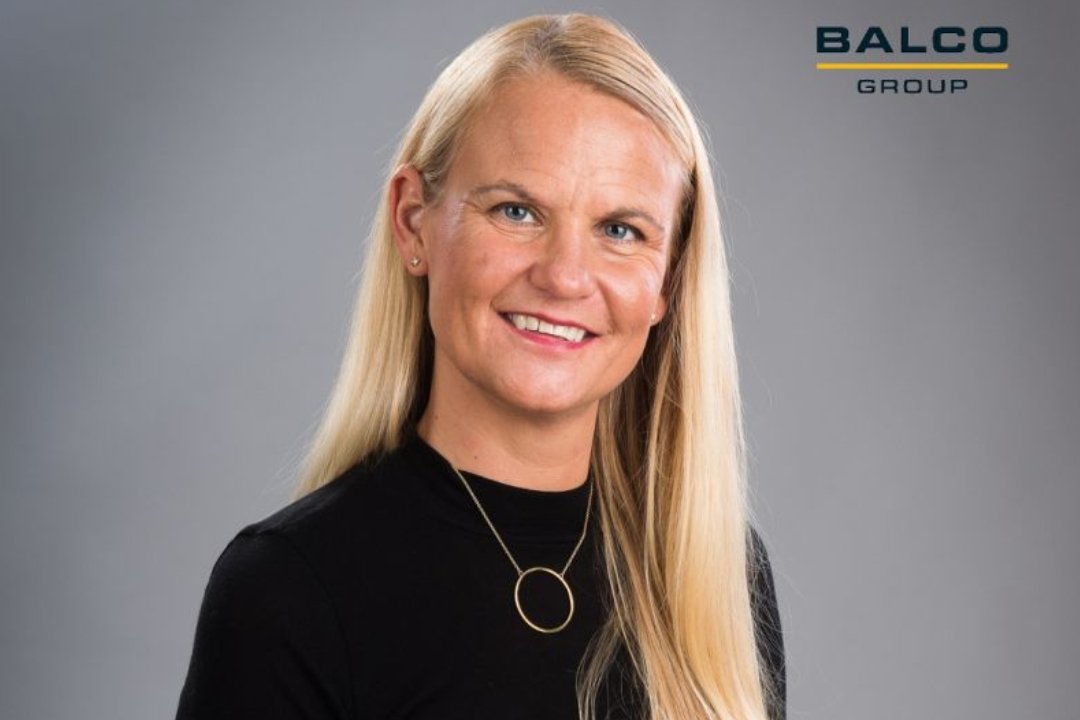
The Advisory Board includes Fatma Samoura, former Secretary-General of FIFA and a global advocate for sport, gender equity and youth empowerment. Also appointed is Dalia Ibrahim, CEO of Nahdet Misr Publishing House and Founder & CEO of EdVentures, recognised for her work in education, innovation and Africa’s creative economy.
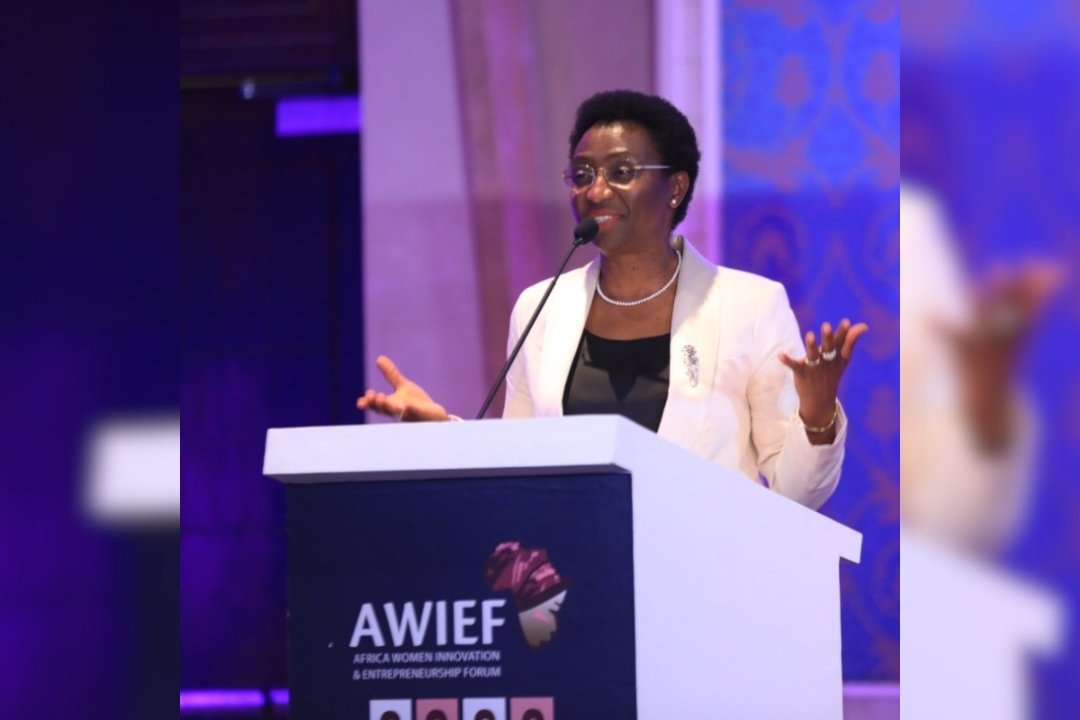
Joining them is Awa Ndiaye-Seck, former Special Representative of UN Women to the African Union Commission and President of ADES-USA, who brings expertise in gender policy, economic inclusion and sustainable development. Nicolas Pompigne-Mognard, Founder and Chairman of APO Group, has also been appointed.
AWIEF said the Advisory Board will play a key role in guiding strategic programming, partnerships, research initiatives, policy engagement and broader ecosystem development. Members were selected based on their leadership experience, cross-sector knowledge and commitment to advancing gender equality and women’s economic participation in Africa.