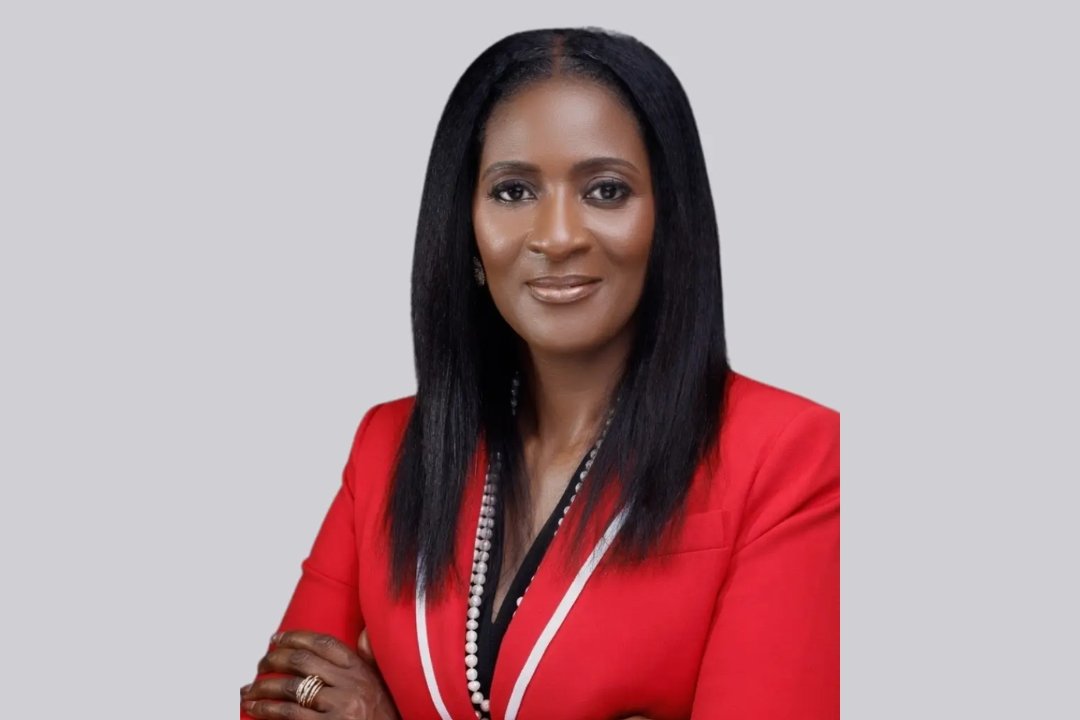
Sindisiwe Chikunga, South Africa’s Minister in the Presidency for Women, Youth and Persons with Disabilities, called for a bold and clear roadmap to empower women through inclusive finance at the Global Conference on Financial Inclusion and Women Empowerment. The conference is taking place from May 6 to 9, 2025, in Sun City, North West Province, South Africa, under the country’s G20 Presidency. Chikunga urged governments and financial institutions worldwide to ensure women have better access to financial resources, land, and capital, addressing barriers like discriminatory laws and lack of representation in economic decision-making. She emphasized the need for gender-responsive budgeting, quotas for women in financial sectors, and reforms to close the $1.7 trillion financing gap faced by women entrepreneurs globally. The event gathered policymakers, financial leaders, and civil society to develop actionable plans to make financial systems work for all, especially women, aiming for true gender equality and economic inclusion.
“Let us be bold in our ambitions and unwavering in our commitment to ensuring that the financial systems of tomorrow work for all – not just a few,” said Chikunga.
G20 Women’s empowerment agenda advancement
Alongside the Financial Inclusion Conference, the event signifies the gathering of the 2nd Empowerment of Women Working Group (EWWG). The creation of a Guidelines Framework for Mainstreaming Women’s Priorities provides a strategic platform for influencing G20 policy, especially in light of the world’s changing economic conditions and ongoing changes.
With growing evidence of gender differences in economic leadership, property rights, and financial access, the conference arrives at a critical moment. In her speech, Chikunga outlined a plan based on five fundamental financial inclusion pillars that, in her opinion, need to be addressed immediately in order to attain gender parity in economic development:
- Economic Decision-Making and Policy Leadership
- Progressive Fiscal Reforms and Global Financial Architecture Overhaul
- Women’s Access to Land and Productive Assets
- Elimination of Gendered Trade Barriers
- Access to Financial Capital and Services
An Appeal for Economic Governance that takes gender into account Chikunga called for institutional reforms, including the establishment of significant quotas for women in financial institutions and regulatory agencies, and underlined the significance of gender-responsive budgeting across all government departments and sectors. In order to increase the representation of women in high-level decision-making, she pushed for the creation of specialised economic advisory boards.
“Only through systemic integration of women’s perspectives can economic policies be truly inclusive and sustainable,” she said.