
Women in Mechanised Agriculture (WIMA) has unveiled a nationwide plan to deliver mechanisation services to one million women farmers across Nigeria by the end of this decade.
The announcement was made during the official launch of the organisation in Abuja, where WIMA President, Aisha Yakubu Bako laid out the ambitious strategy to improve access to agricultural technology for women in rural communities. According to her, the goal is to reshape Nigeria’s food systems while increasing household incomes, supporting climate resilience, and boosting national agricultural productivity.
“Our plan is to build a future where no woman is too rural, too poor, or too marginalised to access technology, finance, and opportunity,” she said.
Bako reflected on the organisation’s origins, recalling how it began in 2019 with just six women who set out to deliver mechanised services to women farmers at the grassroots. Since then, the initiative has grown significantly, now operating with four key pillars: capacity building, access to mechanisation tools and assets, policy and advocacy, and market linkages.
She explained that WIMA has already been providing training for women on how to operate machinery such as tractors, harvesters, and threshers. This includes mobile-based learning resources and access to specialised toolkits, made possible through collaborations with initiatives like TrackTrack.
Through a cooperative model supported by organisations such as PropCom Plus, WIMA has so far established 12 solar-powered service hubs across the country. These hubs offer mechanisation services in areas that are traditionally difficult to reach, using equipment powered by renewable energy, including threshers and water pumps.
In an effort to close the gap between urban and rural farming communities, Bako said WIMA has also created a market linkage scheme. This allows urban-based women to invest in mechanisation tools and collaborate with rural service providers using a shared cost structure.
She urged the government, financial institutions, and international donors to increase their backing for women in agriculture, stressing the wider economic impact of the initiative.
“When women rise, food systems rise. When women mechanise, productivity scales. And when women are involved in decision-making, nations prosper,” she said.
Also speaking at the event, WIMA’s Chairperson of the Board of Trustees, Dr Aisha Umar, highlighted the continued exclusion of women from essential agricultural services.
“The initiative started with just six women. We recognised a glaring gap in the agricultural sector—particularly the exclusion of women from finance and mechanisation,” she said.
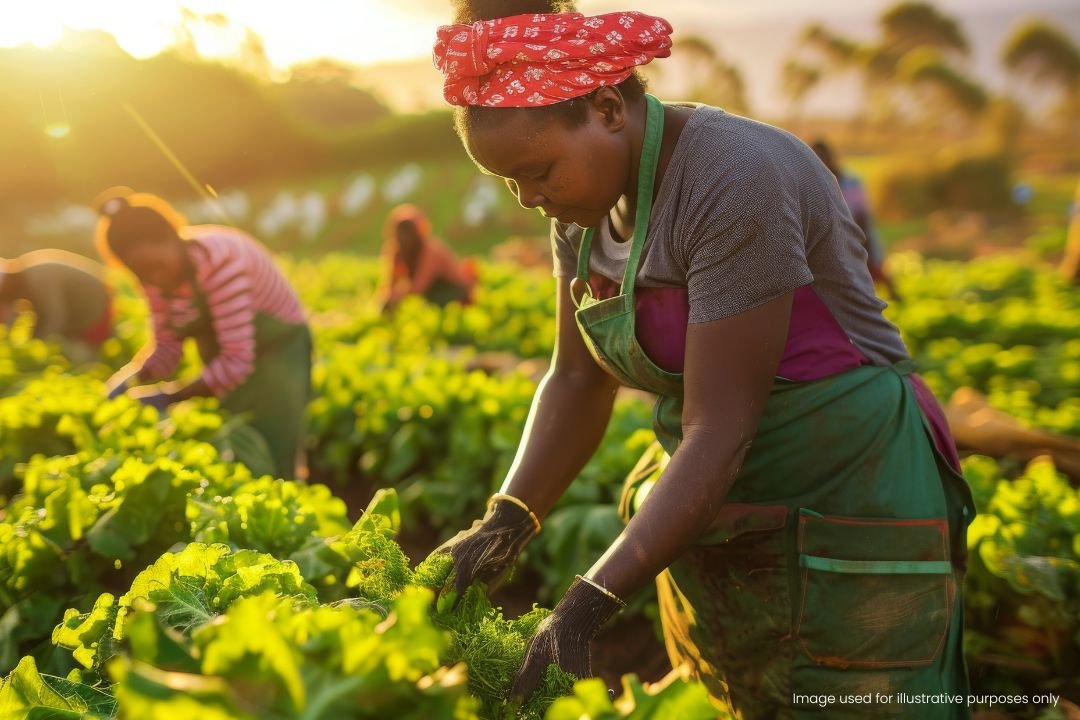
Dr Umar expressed concern that many women farmers across Nigeria are still reliant on basic, manual tools such as hoes and cutlasses due to the lack of access to modern equipment.
“Our aim is to bridge this gap by providing mechanisation services to women farmers to help them increase productivity and improve their livelihoods,” she said.
She explained that in regions where WIMA is currently active, dedicated hubs have been set up to supply farming tools tailored to the needs of women. These include tractors, threshers, and harvesters.
“We also intend to deploy technology to enhance women’s agricultural output and overall welfare,” Dr Umar added.
So far, WIMA has reached around 300 women in Katchia Local Government Area in Kaduna State, with expansion plans in motion not only across Nigeria but also into other parts of Africa.