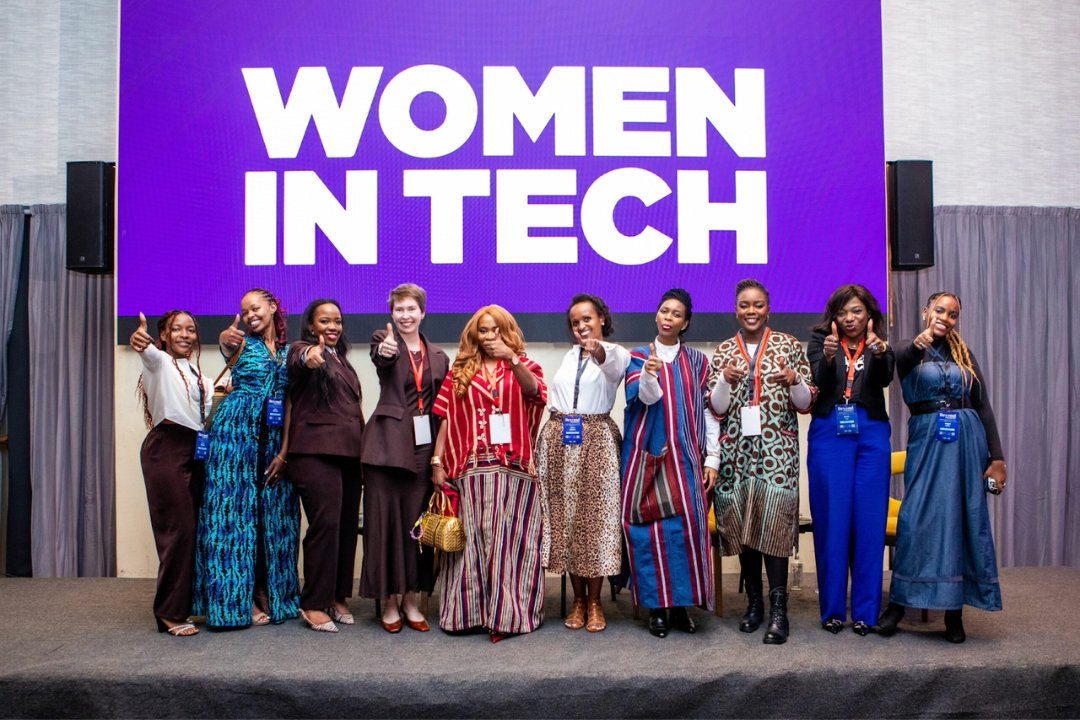
The University of Nairobi has announced a major investment in gender equality within higher education through the launch of a USD 9.5 million Women in Leadership Project (WiL Project). The initiative aims to increase women’s representation in economics and academic leadership roles, forming part of a long-term strategy to strengthen institutional inclusivity across Kenyan universities.
The African Women Studies Centre (AWSC) officially unveiled the project on 7 November 2025 during its Annual Researchers’ Retreat in Machakos County. The event was led by Prof. Jack Odhiambo, Dean of the Faculty of Arts and Social Sciences, who represented Vice-Chancellor Prof. Margaret Jesang’ Hutchinson at the launch.
Focused on the “Participation of Women in Economics in Leadership in Academic Institutions in Kenya,” the WiL Project seeks to address persistent gender gaps within the Department of Economics and Development Studies (DEDs). The initiative is backed by Co-Impact, alongside in-kind contributions from the University through AWSC and DEDs covering mentorship, monitoring, evaluation and data systems.
Co-Impact, a global platform supporting systemic change in health, education and economic systems, has invested USD 3.3 million into the project. Its support is directed at achieving gender parity in leadership at DEDs by 2032 through targeted institutional change. The organisation emphasises dismantling barriers that affect women, children and marginalised groups worldwide.
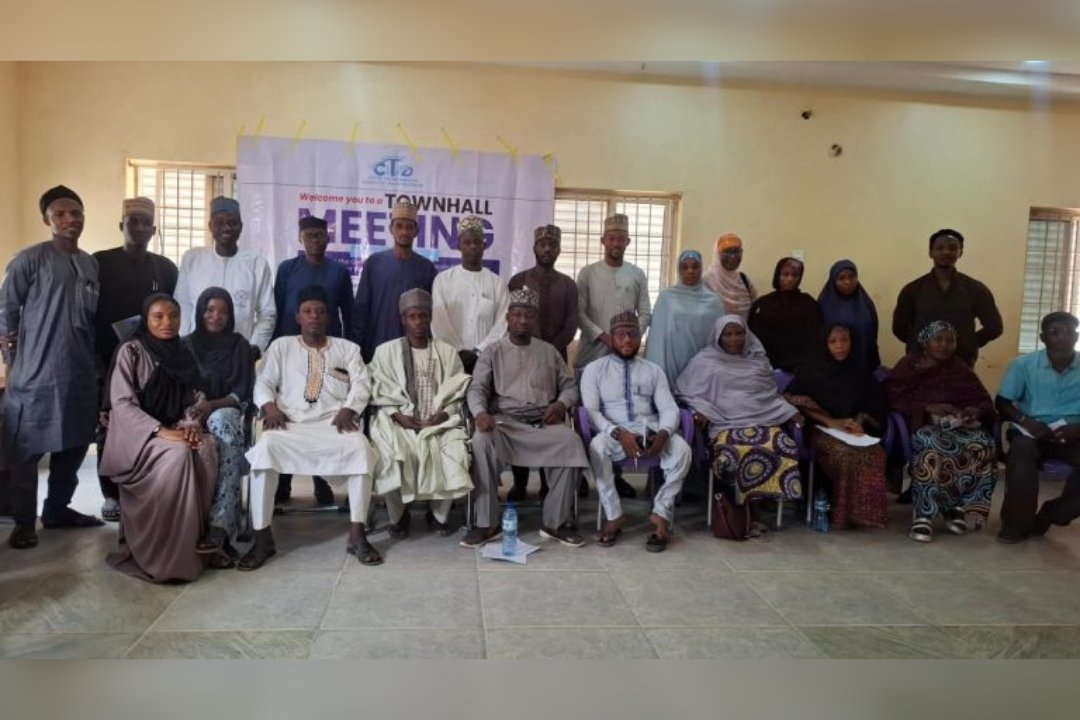
The launch brought together university officials, faculty members, researchers and partners involved in advancing women’s empowerment in academia. Speaking at the event, Prof. Odhiambo reaffirmed the University’s commitment to equality, stating: “This project is not just about parity; it is about transforming our institutional culture to create equal opportunities for women to lead, innovate, and inspire.”
Gender disparities within DEDs remain notable, with women making up 29% of academic staff and only 40%, 35% and 25% of Undergraduate, Master’s and PhD graduates respectively. Commenting on this, AWSC Director Prof. Wanjiku Kabira said, “We see this not as a gap but as an opportunity to rebuild systems that empower women,” adding that the new project follows the successful completion of a separate five-year AWSC initiative worth USD 3 million, funded by the Bill and Melinda Gates Foundation.
The seven-year WiL Project will be co-funded by Co-Impact and the University, with Co-Impact financing the first five years at USD 3.3 million. Its strategic modules include institutional analysis, strategy development, organisational readiness, capacity building, and long-term systems visioning.
By its fifth year, the project aims to benefit 1,596 women directly, rising to 2,442 women by year seven. Further institutional gains are expected through increased enrolment, improved graduation rates, gender-sensitive recruitment, expanded mentorship opportunities and the strengthening of gender data systems. A proposed Bachelor of Feminist Economics is among the initiative’s most notable innovations.
“When women lead, the world changes for the better,” said Prof. Tabitha Kiriti-Ng’ang’a, principal investigator on the project. “This initiative reflects our collective commitment to building a university and a society that values every voice.”