
UN Women and Chile’s National Institute of Human Rights (INDH) have launched joint training initiatives to embed human rights, non-discrimination and gender equality across public institutions.
The project forms part of an international effort to strengthen public services handling human mobility challenges, with a focus on protecting women and girls in border regions.
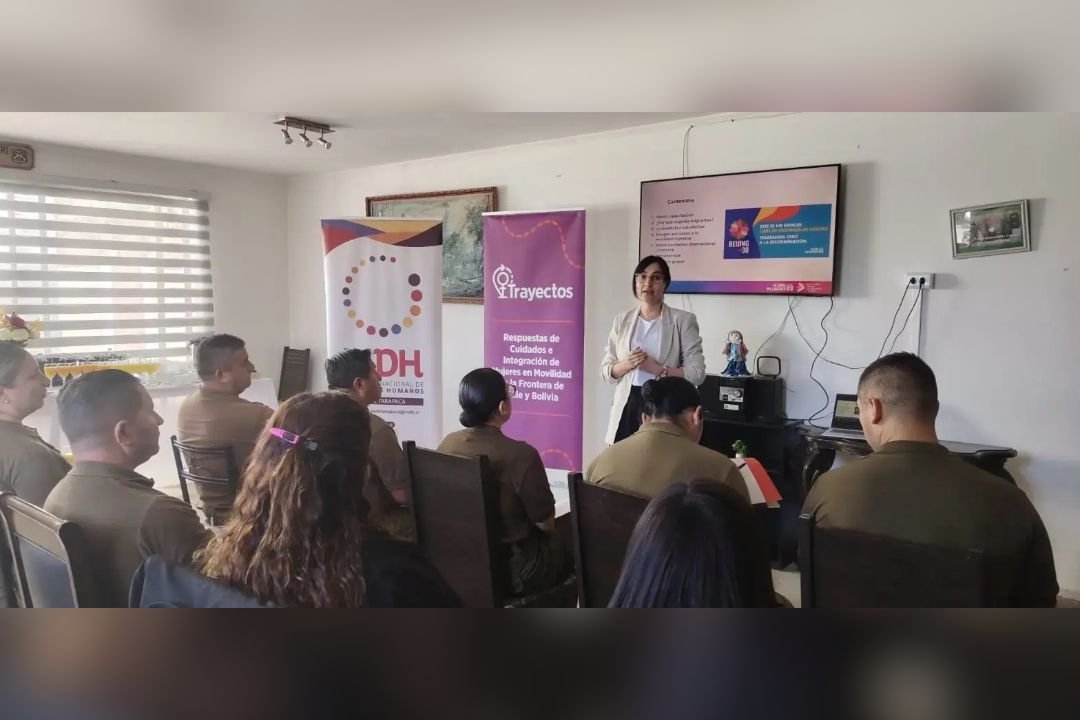
As part of the scheme, the agencies delivered a specialised course titled “Safe Territories and Human Rights: Gender-Based Violence, Non-Discrimination and Human Mobility” in Pozo Almonte. More than 30 officers from Chile’s Carabineros police force in the Tarapacá Region participated in the training. The sessions covered non-discriminatory policing practices, state human rights obligations and international standards for supporting displaced women facing gender-based violence.
In a parallel initiative, UN Women hosted virtual training for 60 INDH staff members across regional offices. The workshops focused on applying the Rapid Gender Analysis (RGA) methodology to evaluate protection risks, prevent re-victimisation and deliver inclusive services. Participants drew on operational data from the Pisiga-Colchane border area to inform local recommendations.
The activities fall under the Trayectos Programme, funded by the Chilean Agency for International Development Cooperation (AGCID) and the Ibero-American General Secretariat (SEGIB). The initiative supports rights protection and social cohesion along the border between Chile and Bolivia, aligning with the Global Compact for Safe, Orderly and Regular Migration.
INDH Director Yerko Ljubetic highlighted the significance of the programme: “Trayectos promotes a coordinated response that places women in situations of human mobility at the centre of public policies, humanitarian action and territorial development. The programme contributes to building safer, more inclusive and humane border areas while strengthening both State capacities and the social fabric of host communities.”
Alma Pérez, Officer-in-Charge of UN Women Chile, stated: “Strengthening the capacities of those working in public security is essential to ensuring services that respect human rights and the dignity of all people. In contexts of human mobility, women and girls face specific risks that require timely, informed and non-discriminatory responses. UN Women values this opportunity to work jointly with INDH and Chile’s Carabineros, contributing to safer, more inclusive and more protective territories for women in all their diversity.”