
The Government has issued a new update on the State Pension following questions in Parliament about whether further protections should be introduced to address long-term pension inequalities faced by women.
The issue was raised by Baroness Deborah Stedman-Scott, who asked His Majesty’s Government whether it plans to introduce additional pension protections to recognise periods of unpaid childcare. She said these gaps continue to contribute to pension disparities linked to maternity leave and reduced earnings.
Responding on Wednesday, December 31, Labour peer Baroness Maeve Sherlock said the introduction of the new State Pension in 2016 had already improved outcomes for women, low earners and self-employed people. She said: “The new State Pension, introduced in 2016, addresses historically poorer outcomes for women, low earners and self-employed people. This means, on average, women on the new State Pension are receiving almost £20 more per week than those on the pre-2016 system. That is around 98% of the amount received by men (the average for women under the pre-2016 system is 86%).”
Baroness Sherlock added that support already exists within the National Insurance system to help people build entitlement to the State Pension during periods when they are unable to work. She said: “There are a wide range of National Insurance credits available to support a diverse range of people to build up entitlement to a State Pension, including credits linked to the provision of care for children (under 12).”
She also highlighted the impact of Automatic Enrolment on workplace pensions, particularly for women. Baroness Sherlock told the House: “Automatic Enrolment has succeeded in transforming workplace pension participation rates, in particular for women. We have seen participation rates amongst eligible women in the private sector now equal with those for men.”
However, she acknowledged that disparities still remain. She said that gaps persist “both in terms of pension participation and wealth”, adding that this had led to the revival of the Pension Commission. According to Baroness Sherlock, the commission will examine what is needed to deliver a pensions system that is stronger, fairer and more sustainable in the long term, including how retirement outcomes can be improved for women and those on the lowest incomes.
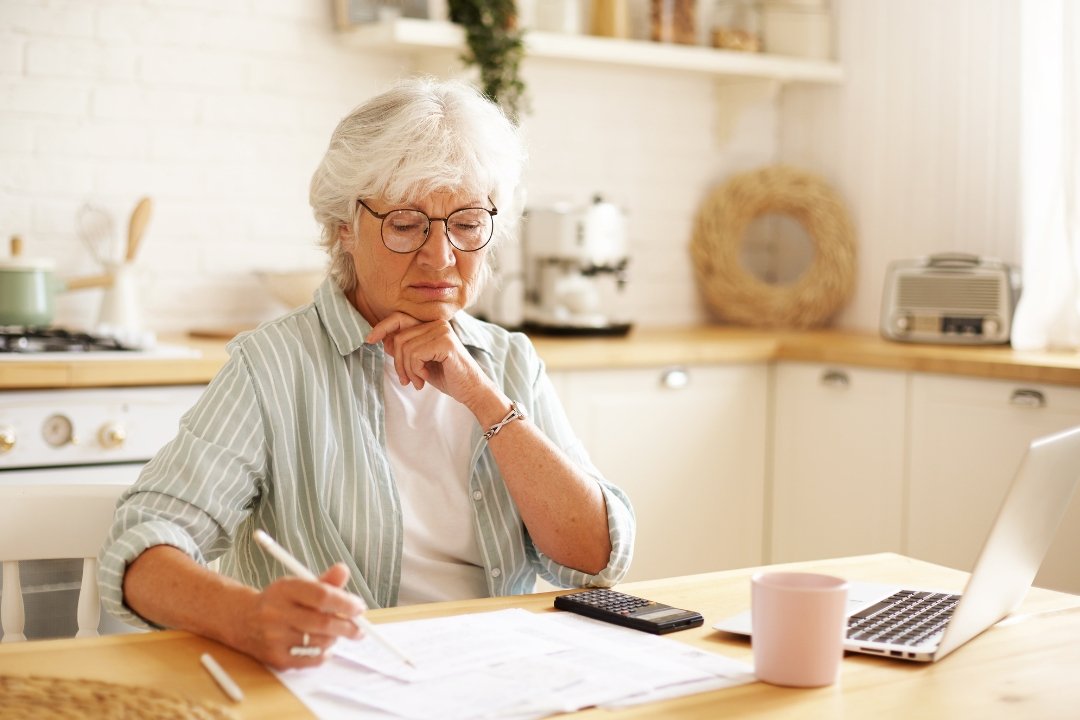
Citizens Advice explains that the State Pension is a regular payment from the Government that most people can claim once they reach State Pension age, which varies depending on date of birth. The amount received depends on the number of qualifying years of National Insurance contributions built up over a person’s working life, including credits awarded during periods when they are unable to work.
People who have reached State Pension age and are on a low income may also be eligible for Pension Credit, which is assessed based on income rather than National Insurance contributions. The current full rate of the new State Pension stands at £230.25 per week.