Singapore has unveiled a series of new initiatives designed to prepare its workforce for an era increasingly shaped by artificial intelligence (AI). The Infocomm Media Development Authority (IMDA) announced the measures as part of its continuing mission to build an AI-fluent workforce capable of supporting the nation’s innovation agenda.
Recent findings highlight why this effort is gaining momentum. According to an IMDA pulse survey, nearly three in four workers in Singapore are already using AI tools in their jobs. Of those, 85% said the technology has improved efficiency, productivity and the overall quality of their work.
Employers appear equally invested in the shift. More than two-thirds of companies that have embraced AI stated their intention to prioritise staff training and upskilling, underscoring that AI literacy is becoming a core requirement for businesses competing in a digital-first global economy.
IMDA will expand its TechSkills Accelerator (TeSA) programme to ensure these skills reach both technology specialists and workers in other fields. While technical professionals will receive advanced training in cloud computing and AI development, employees in roles such as accounting, human resources and marketing will also gain opportunities to learn how to integrate AI into daily tasks. This approach is designed to reduce repetitive work, increase efficiency and allow more time for higher-value responsibilities.
The authority emphasised that making AI training widely accessible is key to preventing any group from being left behind. These programmes are structured to benefit large corporations and small- and medium-sized enterprises alike, reflecting the diverse fabric of Singapore’s economy.
Among the initiatives is a career platform developed with training provider Trainocate. This will support 100 individuals through structured training of six to twelve months, leading to job placements in cloud and AI-related roles. Importantly, the skills gained will be recognised as academic credits under the Singapore Institute of Technology’s micro-credential framework. This linkage between industry and education provides participants with ongoing professional development opportunities while aligning training with rapidly shifting industry needs.
IMDA is also rolling out the Skills Pathway for Cloud, working in partnership with the Singapore Computer Society (SCS) and SkillsFuture Singapore (SSG). This framework offers professionals structured milestones for certification and clearer routes for career progression in cloud-related specialisations.
Cloud infrastructure is widely seen as the backbone of AI applications, making such expertise critical to future workforce demands. Since its inception in 2016, TeSA has supported more than 340,000 individuals in developing skills vital to the digital economy. This new pathway further strengthens Singapore’s capacity to scale innovation across industries.
For employers, the pathway provides reassurance that workers trained through the programme possess validated expertise, enabling them to contribute immediately to cloud and AI initiatives.
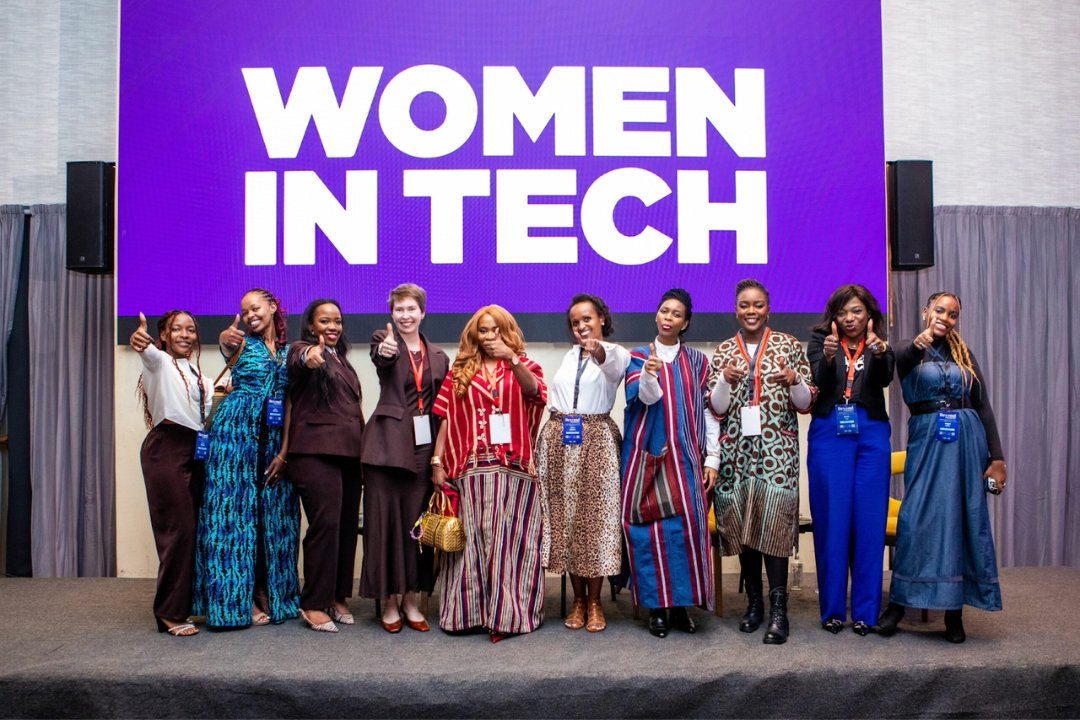
The announcement came during Tech3Forum 2025, where IMDA also recognised women leaders in technology through the release of the latest Singapore 100 Women in Tech (SG100WIT) list. The honour celebrates the achievements of accomplished professionals while encouraging greater participation of women in shaping Singapore’s digital landscape.
Together, the programmes underline Singapore’s determination to pursue its AI ambitions by investing in people, ensuring businesses remain competitive, and equipping the workforce to thrive in a rapidly evolving technological era.