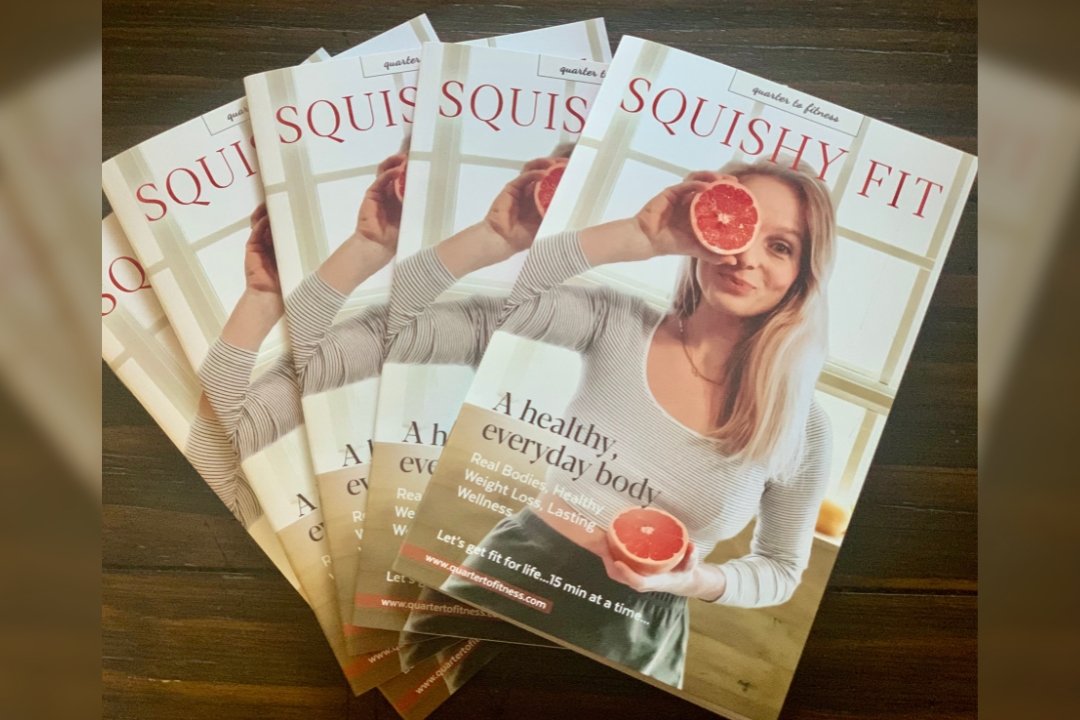

Quarter to Fitness has unveiled two new fitness guides created specifically for women aged 25 and above, pairing structured programmes with recipe packs and a commitment to social responsibility.
The women-focused wellness brand said the launch is aimed at helping women build sustainable routines rather than short-lived fitness pushes, with part of the proceeds going towards supporting animal shelters.
The first guide is centred on everyday wellbeing, offering short, manageable workouts and nutrition advice that can be incorporated around work, family and other commitments. A second guide is designed for women preparing for key moments with a more time-bound plan intended to help users feel prepared without extreme measures.
Quarter to Fitness emphasises moderation and repeatable habits, moving away from highly intensive training models that can be difficult to maintain. The brand positions the guides as practical tools for women who want balance rather than rigid regimes.
The approach has been shaped by founder Karol Dugan’s own health journey. After being diagnosed with a heart condition, she reassessed traditional approaches to exercise and began prioritising recovery, consistency and long-term health benefits.
During this period, Dugan also adopted a dog, an experience that influenced her thinking about daily movement and routine. Regular walks highlighted how steady, low-impact exercise can be introduced naturally into everyday life, without placing unnecessary strain on the body.
“My health journey transformed how I view exercise,” said Dugan. “Having a dog reminded me that movement doesn’t have to be extreme—it needs to be consistent and sustainable.”
Animal welfare has since become part of the company’s mission, with a share of sales directed to shelters providing care and resources for animals. Quarter to Fitness positions this as part of a wider view of wellbeing, linking personal health goals with community benefit.
Alongside the training plans, the brand offers recipe packs intended to support balanced eating while avoiding restrictive diet messaging. Taken together, the resources are presented as a realistic path to improving health over time, shaped by lived experience and a values-led approach.