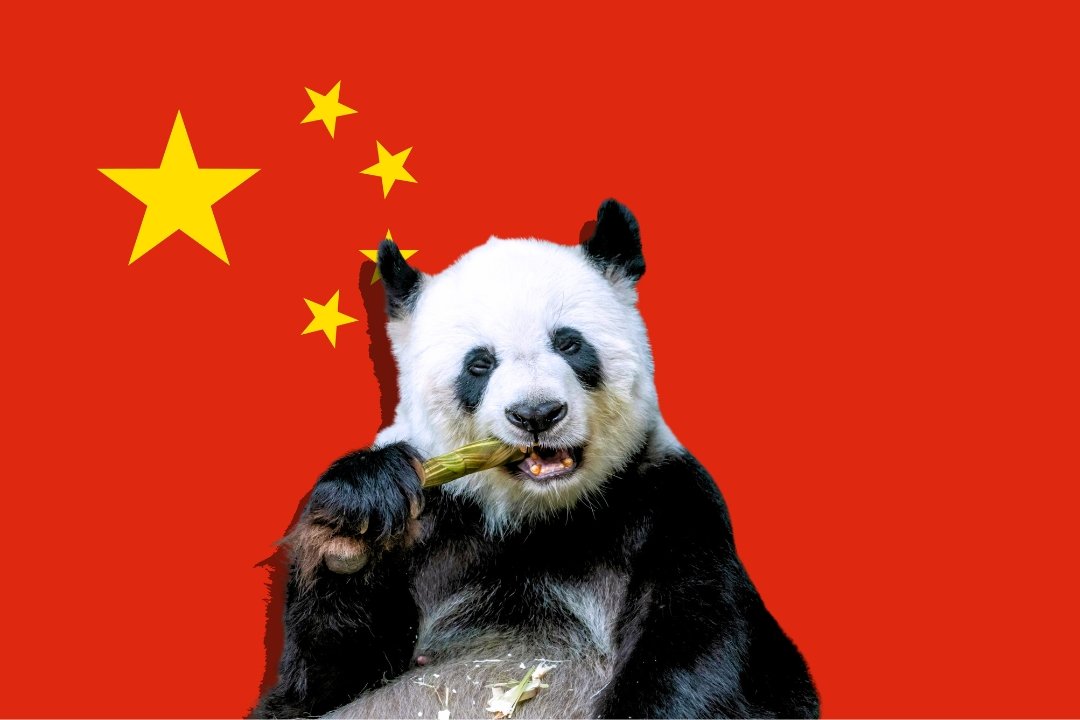

China’s approach to soft power has evolved alongside its economic rise, combining cultural symbolism with long-term strategic intent. Among its most recognisable instruments is Panda Diplomacy, a form of public diplomacy built around the giant panda – an animal that has become both a national emblem and an international symbol of conservation success.
As China consolidated its position as the world’s second-largest economy, attention increasingly turned to how it could shape global perceptions beyond trade, investment and infrastructure. China’s most enduring source of international goodwill has emerged from a distinctive asset: its exclusive stewardship of the giant panda. This makes China stand out amongst other Asian economies that have projected influence through popular culture: be it Japanese fashion, film and gaming or South Korean music, television and beauty export.
For more than five decades, Beijing has partnered with foreign governments and institutions through carefully structured panda loans. These arrangements are framed as gestures of friendship and scientific cooperation, while also reinforcing long-term diplomatic relationships. The presence of pandas often coincides with periods of closer engagement, signalling mutual trust and an openness to broader collaboration across economic, environmental and research domains.
Within China’s foreign policy framework, panda diplomacy complements larger initiatives aimed at deepening international connectivity. Alongside programmes such as the Belt and Road Initiative, launched in 2013 to expand infrastructure and investment links across regions, panda diplomacy reflects an effort to project an image of peaceful development, cooperation and shared benefit in a complex global landscape.
China’s panda conservation strategy
China’s use of the giant panda as a diplomatic symbol is rooted in long-term conservation investment rather than symbolism alone. Over several decades, the country has transformed the panda from a vulnerable species into both a national emblem and a platform for international cooperation.
Historically, giant pandas ranged widely across central China and parts of what is now northern Myanmar and Vietnam. Industrial expansion, agricultural development and environmental pressures gradually reduced their habitat. Today, wild pandas are largely confined to six mountainous regions surrounding the Sichuan basin, where conservation efforts are concentrated.
In response, China made panda protection a national priority. Significant public investment has been directed towards habitat preservation, breeding programmes, veterinary science and specialist training. These efforts have stabilised panda populations and reinforced the animal’s association with stewardship, continuity and peaceful engagement.
Captive pandas are central to this strategy. China maintains the world’s largest captive population, estimated at around 500, housed across major facilities such as the Chengdu Research Base of Giant Panda Breeding and the Wolong National Nature Reserve. These centres serve both scientific and diplomatic purposes, supporting research while anchoring long-term international partnerships.
Beyond China, panda conservation has become a shared global effort. Research and breeding programmes link Chinese institutions with leading zoos across the United States, Japan, Europe, Southeast Asia and the Middle East. These partnerships are formally structured around conservation objectives and genetic diversity, while also creating enduring institutional ties between governments, scientific bodies and cultural organisations.
This framework has shaped what is now known as panda diplomacy: a model of engagement that embeds soft power within conservation-led cooperation rather than overt political signalling.
Panda diplomacy in practice
Panda placements have frequently coincided with diplomatic milestones and periods of expanding economic engagement. A 2013 study by the University of Oxford noted that panda loans to countries such as Canada, France and Australia aligned closely with major resource and trade discussions. Similar patterns were observed in parts of Southeast Asia.
One of the most significant early examples occurred in 1972, when a pair of pandas arrived in Washington following President Richard Nixon’s visit to China. During the Cold War, their presence became a visible symbol of diplomatic opening and mutual engagement.
Although relations between Beijing and Washington have since become more complex, panda diplomacy continues to function as a stabilising channel. In recent years, new panda loans to San Diego Zoo and the Smithsonian’s National Zoo have been widely viewed as efforts to sustain dialogue amid broader strategic tensions.
Australia offers another long-running example. Since 2009, Adelaide Zoo has hosted pandas under renewable loan agreements linked to joint conservation research. During a recent visit, Chinese Premier Li Qiang confirmed that a new pair would be sent to continue the partnership. Australian officials have consistently highlighted the tourism, economic and goodwill benefits associated with hosting pandas.
The practice itself predates modern loan agreements. In the 1950s and 1970s, pandas were gifted outright to countries including the Soviet Union, Japan and the United States following key diplomatic events. As panda populations declined in the 1980s, China transitioned to the current loan-based system, placing conservation and research at the centre of all overseas arrangements.
More recently, panda diplomacy has expanded into new regions. In 2022, Qatar became the first Middle Eastern country to receive pandas under a long-term research partnership announced ahead of the FIFA World Cup. Officials described the arrival as a symbol of friendship and cultural exchange.
At times, the movement of pandas has drawn attention during periods of diplomatic adjustment, while renewed discussions around future loans have often been interpreted as signs of engagement. Over time, panda diplomacy has remained a measured and adaptable instrument, operating quietly alongside China’s broader economic and foreign policy objectives.