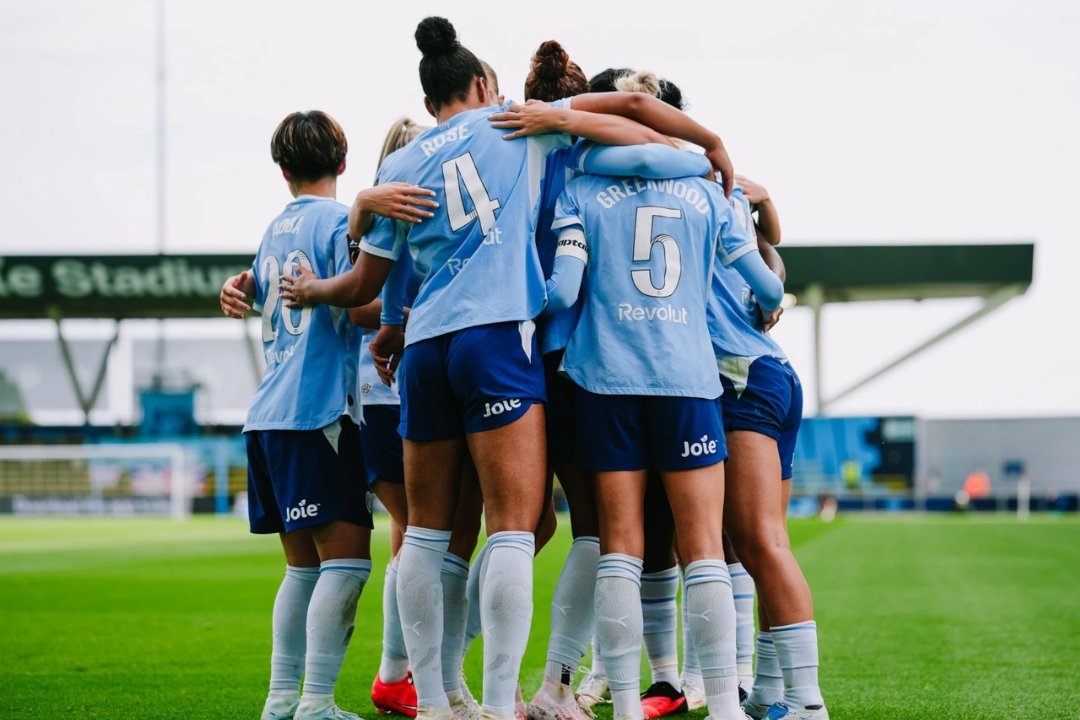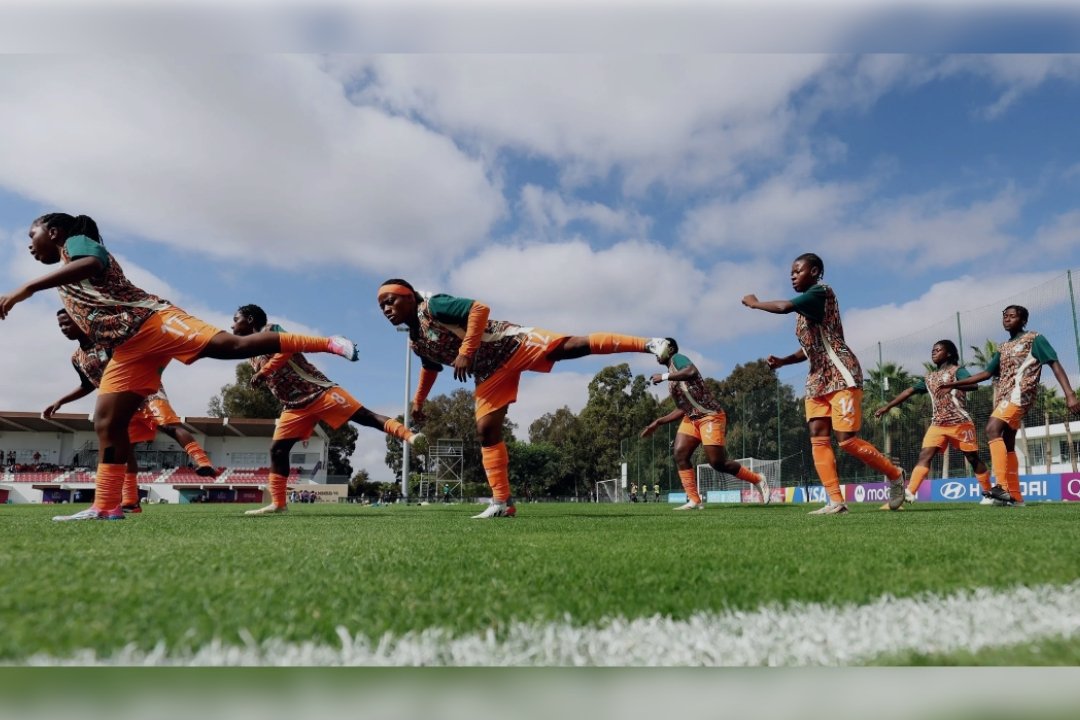

World football’s governing body, FIFA, has introduced a new educational project designed to address the specific health and training needs of female footballers. The FIFA Female Health and Performance Project offers science-based modules to address a historic imbalance where athletic workloads and recovery systems were predominantly based on clinical data gathered from male subjects.
The initiative launches ahead of the tenth FIFA Women’s World Cup, which will be hosted in Brazil next year. The governing body highlighted the pressing need for female-specific sports science by pointing to a previous academic review. The study looked at 5,261 research papers published in sport and exercise journals between 2014 and 2020, discovering that women made up only 34 per cent of all participants. Crucially, a mere 6 per cent of that sports research focused exclusively on female athletes.
According to FIFA, relying on male-centric data can lower training efficiency and increase the risk of injuries for female players. The new scheme builds upon a previous pilot project implemented ahead of the 32-team tournament in 2023, which provided specialised preparation programmes to ten national squads.
The fully realised project expands this access to all 211 FIFA Member Associations via the FIFA Training Centre website. The digital library contains 30 distinct modules distributed across 13 core topics. Developed alongside industry specialists, the peer-reviewed coursework covers universal subjects like sleep, recovery, nutrition, screening and profiling, strength and conditioning, and injury prevention. It also details female-specific areas including physiology, the reproductive years, menstrual health tracking, fertility, pregnancy, postpartum care, pelvic health and menopause.
The material is structured into four separate tiers, ranging from introductory to integrated levels. It is designed to be accessible to sports professionals, coaches, member associations and the general public. Beyond physical training, the initiative aims to remove social stigma and normalise discussions around female physiology.
Dame Sarai Bareman, FIFA’s Chief Women’s Football Officer, said: “FIFA’s aim is to optimise every female footballer’s health, well-being and performance, and to improve knowledge around women and girls in football at every level of the game. Collectively, we can do so much more to better support our growing number of female players and ensure they are trained, supported and understood according to their specific needs as women.”
Bareman further added: “We need to normalise conversations around female health and embrace this, using it to our advantage instead of ignoring it or being fearful of discussing it. It is not a weakness; it is a strength.”