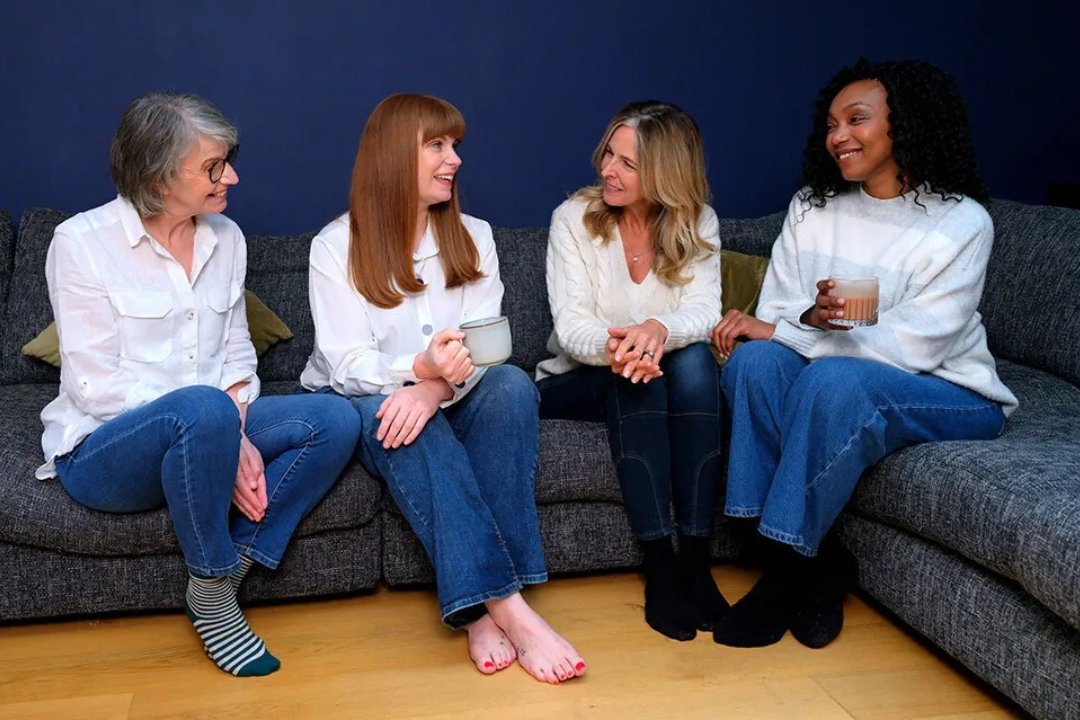

The Council of Europe and the European Union have introduced a new joint initiative titled “Active and equal: women’s health in sport across generations”. Launched in Strasbourg, the project seeks to place female health at the centre of sporting policy. The scheme brings together medical experts, policy makers and high-performance athletes to address long-standing obstacles that prevent women and girls from fully participating in physical activity.
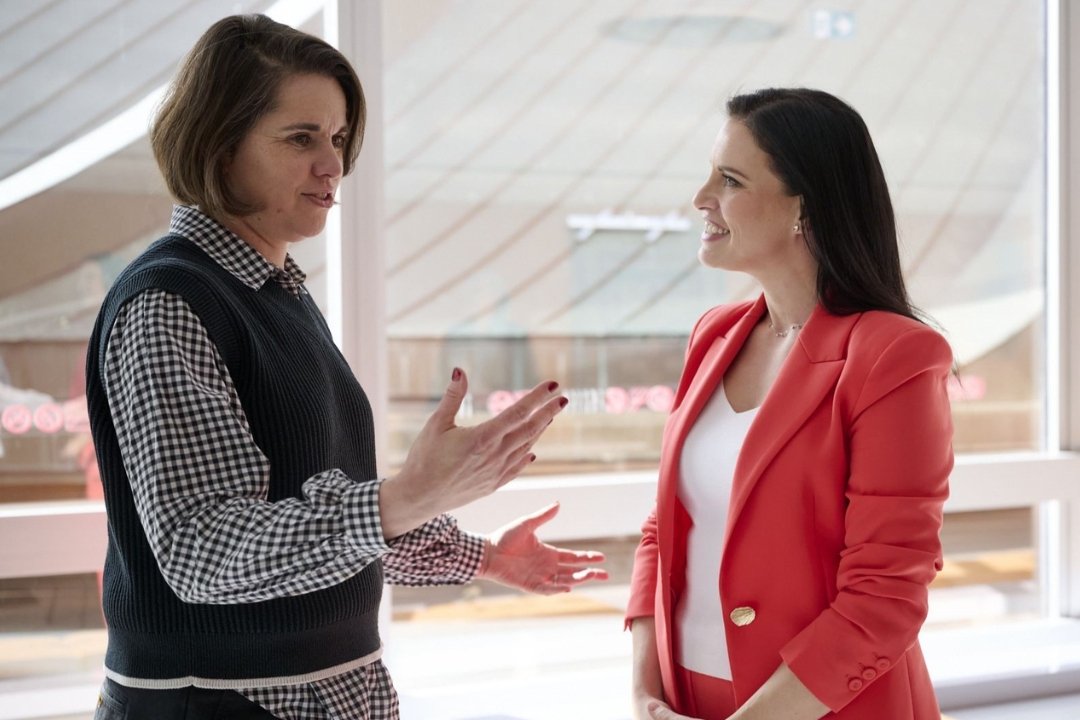
At the launch event, Austrian champion dancer Conny Kreuter reflected on the physical challenges she faced transitioning from a young swimmer to a professional athlete. Speaking about her experiences, she said that “the hardest time was the transformation from a young adolescence into being a woman, when my body was changing. Now, as a professional dancer, I want to guide other women to be strong and take up their space. We also need to talk about the female body changing all the time to take off the pressure coming from society. I want to encourage every woman to embrace their body and to celebrate it!”
The project is built upon three specific pillars to move from general awareness to practical application. It will begin with a cross-European study into the social, psychological and physiological barriers women face at different stages of life. This will be followed by the creation of a “Women’s health in sport toolkit” which aims to provide coaches and health professionals with science-based methods to support female athletes. Finally, a series of video clips featuring role models will be produced to reduce the stigma surrounding topics like menopause and menstruation.
Baz Moffat, a former Great Britain rower and CEO of The Well HQ, stressed the need for systemic change. She noted that “women and girls have a very different relationships with food, they need to eat well during training sessions and they need warming up for the injury prevention”.
To coincide with International Women’s Day, the Enlarged Partial Agreement on Sport (EPAS) also hosted a roundtable discussion. This session explored the findings of the “All in plus” project which examined gender inequalities in the sector. Members and sports associations shared best practices on how to improve access to sport for women of all ages. The overall goal is to create a safe and supportive environment where the specific health needs of women are understood and respected throughout the sporting world.