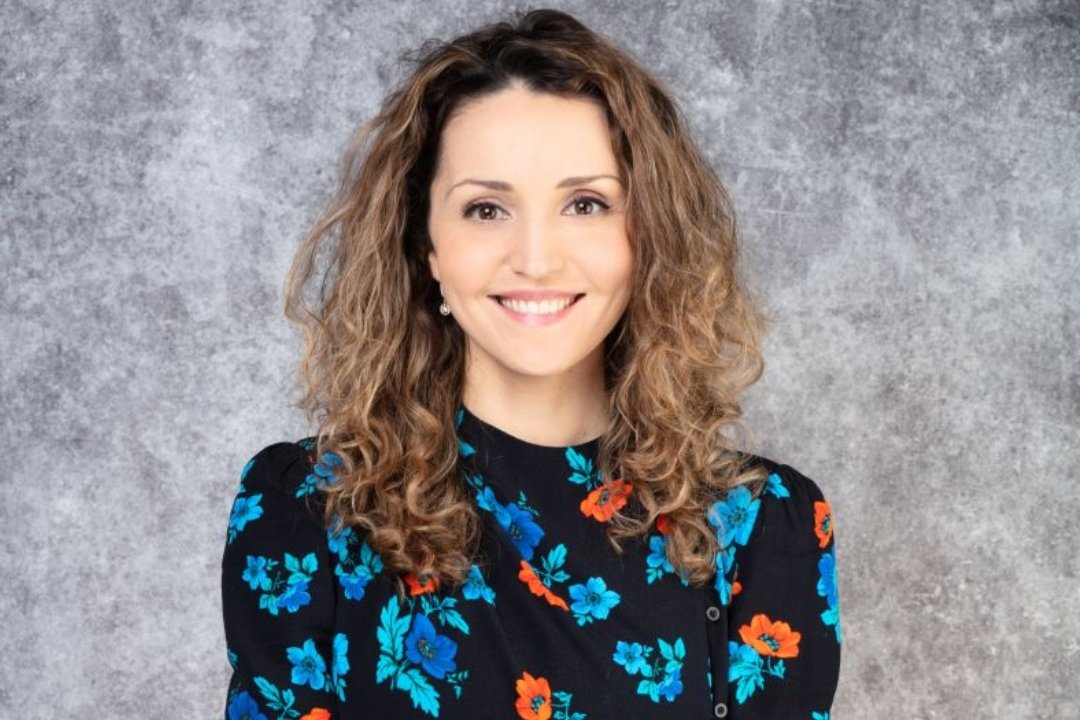

Microsoft has named Indian-origin executive Asha Sharma as the new head of its gaming business, appointing her executive vice president and chief executive officer of Microsoft Gaming. The leadership change follows the planned retirement of long-serving Xbox chief Phil Spencer after nearly 38 years at the company.
In a note to staff, Microsoft chairman and chief executive Satya Nadella confirmed that Sharma will report directly to him. The appointment forms part of a succession plan put in place after Spencer confirmed last year that he intended to step down. Nadella said the gaming division has been central to Microsoft since its earliest days, adding that the company now reaches more than 500 million monthly active users and is among the top publishers across platforms. He said Sharma brings “deep experience building and growing platforms” and aligning business models for long-term value.
Sharma joined Microsoft two years ago and has previously served as chief operating officer at Instacart. Before that, she held a vice-presidential role at Meta. Nadella said her background in scaling global consumer platforms will be important as Microsoft enters the next phase of growth for its gaming business. The role places Sharma in charge of one of Microsoft’s most strategically important consumer divisions, spanning console, PC, mobile and cloud gaming.
Phil Spencer, who has led Microsoft’s gaming operations for 12 years, will remain in an advisory capacity through the summer to support the handover. In a separate message to employees, Spencer described the change as a planned and orderly transition. “Xbox has always been more than a business,” Spencer wrote, adding that he and Nadella had aligned on ensuring stability through the leadership change. He pointed to the expansion of Microsoft’s gaming presence across PC, mobile and cloud platforms during his tenure, as well as major acquisitions including Activision Blizzard, ZeniMax and Minecraft.
Those deals significantly reshaped Microsoft’s gaming portfolio. The group now oversees close to 40 studios across Xbox, Bethesda, Activision Blizzard and King. Nadella said the gaming business nearly tripled in size under Spencer’s leadership, with franchises such as Halo, Call of Duty, The Elder Scrolls, World of Warcraft and Candy Crush forming part of the company’s expanded catalogue.
In her first message to staff as chief executive, Sharma set out three immediate priorities: delivering strong games, renewing Microsoft’s commitment to its console heritage, and shaping the “future of play”. She said the gaming industry is changing quickly and that Microsoft needs to move with “clarity and conviction”. While recognising the growing influence of artificial intelligence and new monetisation models, Sharma warned against placing short-term efficiency ahead of creative standards. “Games are and always will be art, crafted by humans,” she wrote, adding that Microsoft would not sacrifice creative integrity.
The leadership change comes at a notable moment for the business, with Xbox marking its 25th anniversary. Nadella described the opportunity ahead as “expansive”, pointing to platform innovation and content development as the two main growth drivers. He said gaming has been part of Microsoft’s identity since before Windows, referencing early products such as Flight Simulator and the evolution of DirectX.
Microsoft has increasingly positioned gaming as a core part of its consumer strategy, linking hardware, subscription services and cloud delivery. The performance of the division has drawn close attention from investors, particularly since the $69 billion acquisition of Activision Blizzard, one of the largest deals in the sector. The company has sought to balance platform growth with investment in studios and long-term content development.
For Microsoft, the transition is being framed as continuity rather than a break from the past. Spencer’s departure was planned, and the company has chosen a successor with experience in global consumer platforms alongside established leadership in its studio network. With Sharma now taking charge, Microsoft is signalling its intention to continue expanding its gaming ecosystem while managing shifts in player behaviour, business models and competition across the industry.
As Nadella said in his message to staff, gaming has been embedded in Microsoft’s business since before Windows. With new leadership in place, the company is preparing its gaming arm for the next stage of growth, bringing together platform scale with creative direction across console, PC, mobile and cloud.