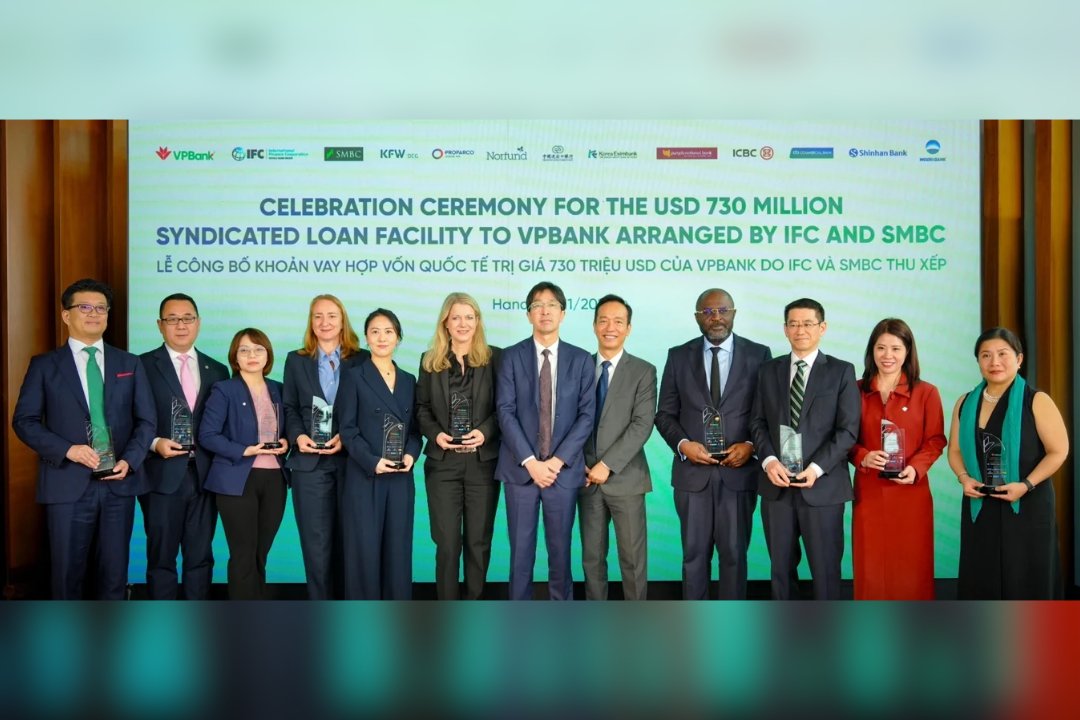

The International Finance Corporation (IFC) and Sumitomo Mitsui Banking Corporation (SMBC) have arranged a US$730 million financing package for Vietnam Prosperity Joint Stock Commercial Bank (VPBank), aimed at expanding access to finance for small and medium-sized enterprises, with a particular focus on women-owned businesses and agricultural enterprises.
Announced on 10 November 2026, the financing is expected to support more than 100,000 new SME loans by 2030, while more than doubling VPBank’s outreach to women-owned SMEs and more than tripling the number of agricultural SMEs served by the bank.
The transaction represents the largest syndicated financing IFC has arranged for a financial institution in Vietnam. It also marks the organisation’s first syndication in the country undertaken in collaboration with a global commercial bank.
The facility brings together international development finance institutions, commercial banks, export credit agencies and insurers, combining IFC’s financing expertise with SMBC’s global banking network.
Of the US$ 730 million package,IFC contributed US$ 150 million, helping mobilise an additional US$ 295 million in private capital from international commercial banks and insurers.
The financing includes loan maturities of three, five and seven years, providing VPBank with additional medium- and long-term funding to support business investment, working capital requirements and expansion.
The transaction also enables IFC to provide its first seven-year loan to a Vietnamese bank, strengthening the availability of longer-term financing for smaller enterprises.
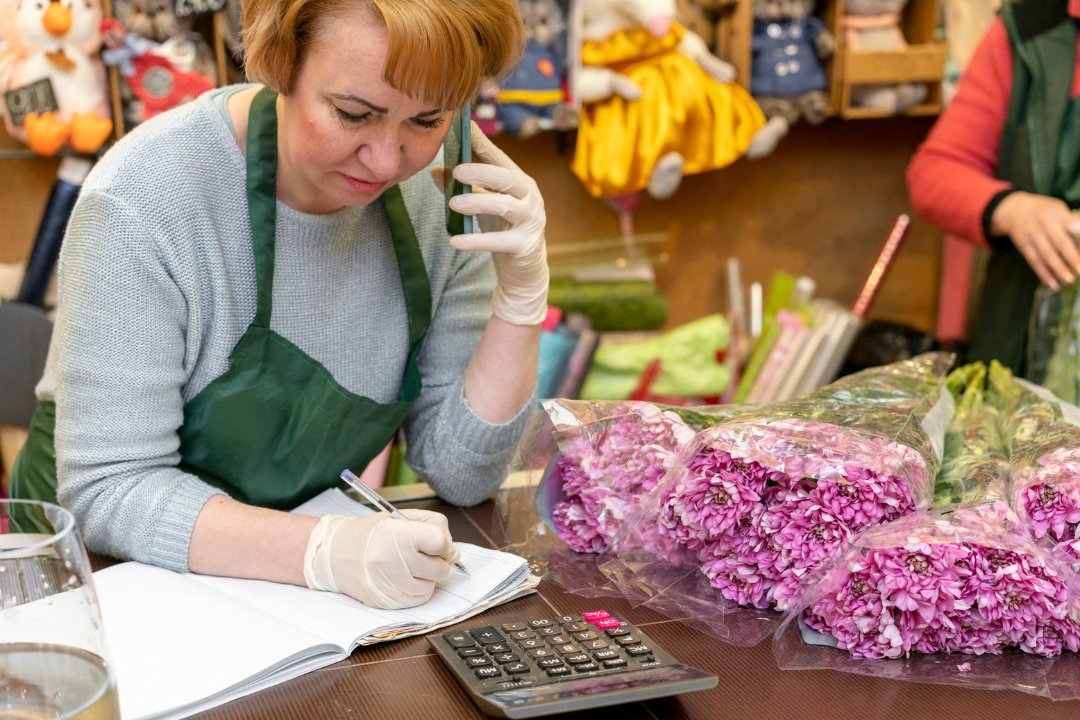
Access to suitable financing remains a challenge for many businesses in Vietnam, particularly women-owned enterprises that may face difficulties obtaining capital for business development and expansion.
According to IFC, SMEs account for approximately 50 per cent of Vietnam’s gross domestic product and 80 per cent of employment, making the sector an important contributor to economic growth and job creation.
However, financing constraints can limit the ability of smaller businesses to invest in equipment, expand production capacity, recruit employees and develop new markets.
Women-owned enterprises and agricultural SMEs are among the business segments facing particular difficulties accessing appropriate financial services.
The new financing package is intended to address these challenges by strengthening VPBank’s capacity to provide longer-term lending and expand its relationships with underserved business customers.
Several participating financial institutions have also introduced specific commitments to support women entrepreneurs.
German development finance institution DEG is providing US$100 million as part of the syndicated facility, with at least 30 per cent of its financing allocated to women-owned and women-led businesses.
French development finance institution Proparco is contributing US$70 million, with 30 per cent of its financing dedicated to women-owned and women-led SMEs.
These commitments establish specific gender-focused allocations within the broader financing package, helping direct capital towards businesses owned or led by women.
Proparco’s participation also qualifies under the 2X Challenge, an international initiative promoting investment that advances women’s economic participation and gender equality.
The financing involves a broad network of international institutions, including IFC, DEG, Proparco and Norfund, alongside China Eximbank, Korea Eximbank and several commercial banking partners.
The participation of financial institutions from multiple countries reflects growing international interest in Vietnam’s SME sector and its potential for continued economic development.
Allen Forlemu, IFC Regional Director for Financial Institutions Group, Asia and the Pacific, highlighted the importance of mobilising private capital to address the financing needs of Vietnamese businesses.
He explained that the scale of SME financing requirements exceeds the resources available from any single institution, making partnerships between development organisations and commercial lenders essential for expanding access to capital.
Nguyen Duc Vinh, Chief Executive Officer of VPBank, welcomed the financing agreement, noting that it would strengthen the bank’s ability to support SMEs, women-owned businesses and agricultural enterprises while contributing to sustainable economic development.
Jeanne Soh, Managing Director and Co-Head of Structured Finance Department Asia Pacific, also highlighted the growing interest among international investors in opportunities combining commercial performance with measurable development outcomes.
The financing builds on more than 15 years of cooperation between IFC and VPBank, during which the institutions have worked together to strengthen financial services and expand access to capital.
Alongside the latest facility, IFC will provide additional support to VPBank in developing its agricultural financing capabilities, including services for businesses involved in climate-smart agriculture.
The initiative receives support from Germany’s International Climate Initiative and Switzerland’s State Secretariat for Economic Affairs.
For women entrepreneurs, the expansion of SME lending could provide opportunities to obtain financing for business growth, production improvements and long-term investment.
Greater access to formal credit can also help smaller enterprises strengthen their financial resilience and participate more effectively in domestic and international supply chains.
The financing package aligns with the World Bank Group’s broader strategy to strengthen micro, small and medium-sized enterprises by improving their access to finance, business networks and commercial opportunities.
Although the US$730 million facility has been arranged, the projected 100,000 additional SME loans and expanded outreach to women-owned businesses are targets to be achieved by 2030, rather than outcomes already delivered.
The agreement represents a significant development in Vietnam’s financial services sector, demonstrating how international investment partnerships can support business growth while creating additional financing opportunities for women entrepreneurs.