
As the world marks the International Day of Women and Girls in Science, we pause to recognise the women whose work has reshaped modern medicine and public health. This day is not only a celebration of achievement, but a reminder of how essential women’s leadership has been in science, particularly in medicine and immunology. The COVID-19 pandemic made that reality unmistakably clear, as decades of research by women scientists became the backbone of the global response.
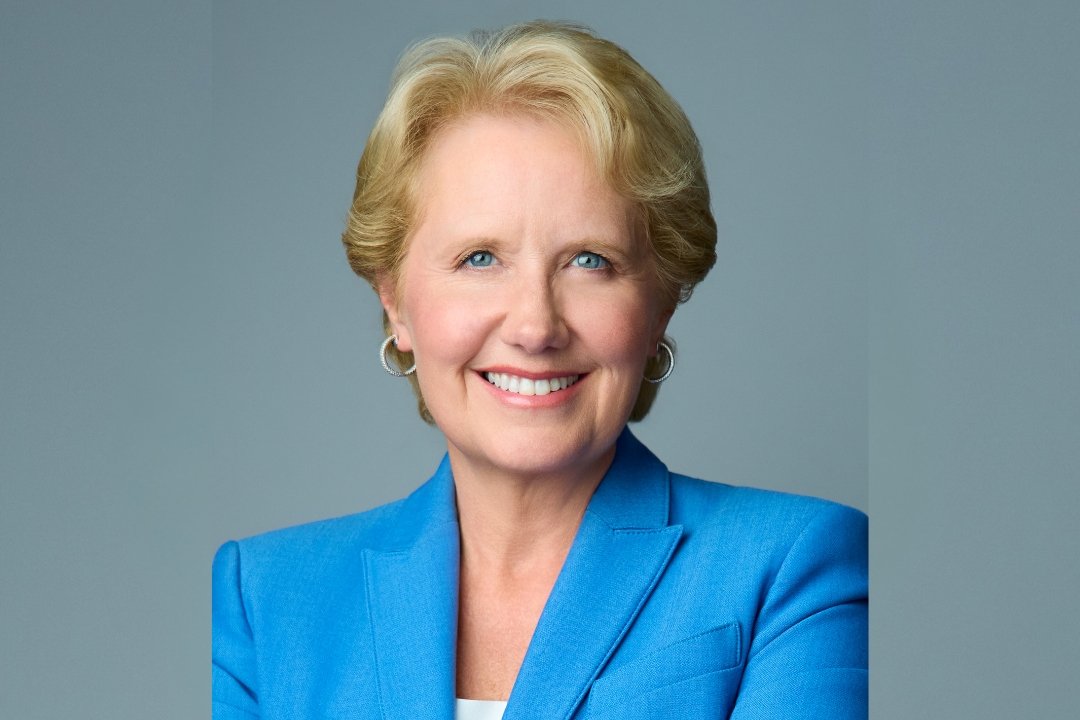
One of the most prominent scientists to emerge during this period is Dr. Kizzmekia Shanta Corbett-Helaire, an American viral immunologist whose research played a key role in the development of a COVID-19 vaccine. She is an Assistant Professor of Immunology and Infectious Diseases at Harvard T.H. Chan School of Public Health, and the Shutzer Assistant Professor at the Harvard Radcliffe Institute. Throughout her career, she has focused on how the immune system responds to some of the world’s most dangerous viruses, with vaccine development at the centre of her work.
Originally from North Carolina, Dr. Corbett-Helaire completed her PhD in microbiology and immunology at the University of North Carolina at Chapel Hill. During her doctoral research, she also carried out fieldwork in Sri Lanka, examining the role of human antibodies in dengue virus infection. The experience helped shape her scientific focus on how the immune system responds to emerging and high-risk viral threats.
In 2014, she joined the Vaccine Research Center at the US National Institute of Allergy and Infectious Diseases (NIAID) as a postdoctoral fellow under Dr. Barney Graham, one of the leading figures in global vaccinology. There, she became a scientific lead on coronavirus vaccine research years before COVID-19 emerged. Her team’s work on stabilising coronavirus spike proteins later proved vital when a novel coronavirus began spreading in late 2019.

When the genetic sequence of SARS-CoV-2 was released, Dr. Corbett-Helaire and her colleagues moved quickly. Drawing on years of earlier research, they co-designed the mRNA-1273 vaccine and worked with industry partner Moderna to take it into clinical development. Just 66 days after the viral sequence became available, the vaccine entered Phase 1 trials, setting a new pace for vaccine development. It later became one of the most widely used COVID-19 vaccines worldwide.
Dr. Corbett-Helaire’s scientific impact extends far beyond the COVID-19 pandemic. Her extensive patent portfolio encompasses not only the foundational mRNA-1273 vaccine but also life-saving therapeutic antibodies deployed globally and next-generation vaccine candidates for influenza and coronaviruses currently in clinical trials. With a research career spanning over 15 years, she has contributed seminal work on pathogens including dengue, RSV and influenza. A prolific scholar and communicator, she has published extensively in leading journals and delivered more than 100 invited lectures to scientific and policy audiences worldwide.
In her own laboratory at Harvard, her focus has expanded to pandemic preparedness and the pursuit of universal vaccines, reflecting a commitment to preventing future global health crises rather than simply reacting to them. Equally important is her work beyond the laboratory. Dr. Corbett-Helaire has become a prominent advocate for diversity and inclusion in STEM, speaking openly about representation, mentorship and access for underrepresented communities. She regularly engages with schools, community groups and public forums to promote vaccine awareness and scientific literacy.
The theme for the 11th International Day of Women and Girls in Science Assembly — ‘Synergising AI, Social Science, STEM and Finance: Building Inclusive Futures for Women and Girls,’ aligns strongly with Dr. Corbett-Helaire’s work. Her career sits at the intersection of cutting-edge research, public trust, global collaboration and social responsibility. It is a reminder that scientific progress and social impact are not separate goals, but closely connected.
As the world continues to face complex health challenges, the story of Dr. Kizzmekia Corbett-Helaire offers a powerful lesson. Investing in women scientists is not symbolic; it is essential. Their ideas, leadership and persistence shape the health, security and resilience of societies everywhere.