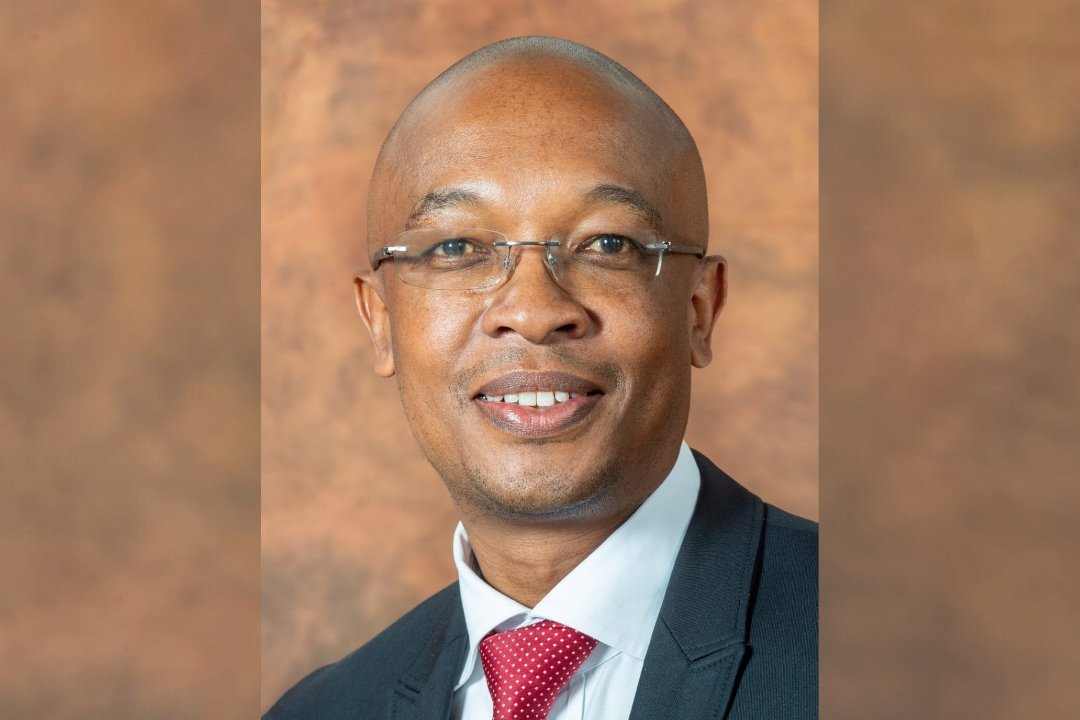

South Africa used the closing day of the G20 Summit to set out its position on global trade tensions and the growing influence of African economies, with Minister of Trade, Industry and Competition Parks Tau outlining the weight of ongoing negotiations and the importance of collective action.
President Cyril Ramaphosa confirmed on Sunday (Nov 23) that the declaration adopted by leaders marked a “renewed commitment to multilateral cooperation”, following a summit that placed him directly across from his US counterpart. Despite geopolitical pressure and the absence of Washington from the final document, South Africa celebrated the outcome as a diplomatic win, with agreement secured across a wide span of issues.
Speaking to the media during the G20 Leaders’ Summit, Tau explained that the central theme: ‘Solidarity, Equality and Sustainability,’ guided discussions aimed at navigating political and economic friction. Trade remained high on the agenda, particularly in light of the United States’ decision not to join the negotiations.
The leaders formally adopted the G20 Johannesburg Leaders’ Declaration focused on the climate crisis and other shared challenges at the very start of the gathering on Saturday, a break from usual practice. Its early approval followed weeks of difficult talks carried out without US participation. According to South African officials, reaching consensus on national terms was a crucial achievement.
The declaration places major economies under commitments to address global inequality, overhaul elements of the international financial architecture to ease debt burdens on developing regions, and support growth that includes Africa and the wider Global South. Measures on climate action, renewable energy, and a strengthened multilateral system also feature prominently, forming what South Africa views as a balanced response to widespread social and economic pressures.
Reflecting on the tense negotiations behind the signing, Tau said: “It doesn’t mean that when you get to a declaration, it was all easy. There are tough, intense negotiations between the governments that are here.”
Tau also noted the significance of Chinese Premier Li Qiang’s comments on Beijing’s plans to work more closely with South Africa on trade and tariff matters. Li’s meeting with President Cyril Ramaphosa on Friday, ahead of the G20 Leaders’ Summit, reaffirmed China’s support for Pretoria’s position on defending multilateral trading principles and pushing ahead with a zero-tariff policy for South African goods.
“We welcome China’s introduction of a zero-tariff regime. In practice, this is applied immediately for developed countries. For developing countries, China has indicated that implementation will align with the World Trade Organisation’s Most Favoured Nation principle. We are actively engaging with them on this basis.”
According to Tau, the summit outcomes carried weight across multiple areas: international trade structures, the future of the World Trade Organisation, financing for development, and the ongoing global debate around sovereign debt. He said these matters remain central to shaping fairer economic systems, even though key perspectives were missing. “All those issues are important for the entire world, and it is quite unfortunate that their voice was not coming across in these meetings.”
He added that talks with the United States have not been abandoned, indicating that officials have “compartmentalised these issues” and will continue maintaining channels of engagement.
The Minister said the government is now working from a clear implementation plan, combining formal agreements, performance within multilateral institutions, and national positions that will be put across globally. To manage this process, he pointed to mechanisms already in place.
Tau noted that one of the most striking elements of the summit was the strengthened presence of Africa within global trade conversations. With the continent drawing more attention across the G20 agenda, he said momentum is turning into practical work.
“The President has established two advisory panels to ensure that we can effectively track progress. Our discussions focus on using these mechanisms to follow up on the priorities we have placed on the agenda. The Africa Agenda is now firmly on the table, and we are looking at concrete mechanisms for implementation, while also monitoring progress driven by other countries.”
“Ultimately, the obligation rests with us as a country to follow through – and we are doing so with clarity and determination,” the Minister said.